In brief
Gloria Steinem’s journey began in 1934 Ohio, where a turbulent family life forged her early resilience. Her undercover work as a Playboy Bunny exposed the exploitation of women, leading to a career in journalism that amplified feminist voices. By launching Ms. Magazine, she created a platform that challenged mainstream media and propelled movements for abortion rights, equal pay, and the ERA. Facing backlash and harassment, she remained a steadfast advocate, inspiring future generations of activists. Today she is remembered as a key figure who shifted the cultural language of women's rights across America.
Gloria Steinem’s legacy stretches across nearly a century of activism, writing, and public speaking. Born on 25 March 1934 in Toledo, Ohio, she grew up in a nomadic family, learning early on the value of self‑advocacy.
Early Years
Steinem’s childhood, dominated by a traveling father and a mentally ill mother, made regular school impossible until age 12. These hardships informed her later insistence on equal opportunities for all women.
Breaking the Barriers with “A Bunny’s Tale”
In 1963 she infiltrated a Playboy club under the name Marie, uncovering the exploitation faced by Bunny waitresses. Her exposé, published in Show magazine, not only spotlighted sexism but also paved the way for her later work at The New York Times and New York Magazine.
Founding Ms. Magazine
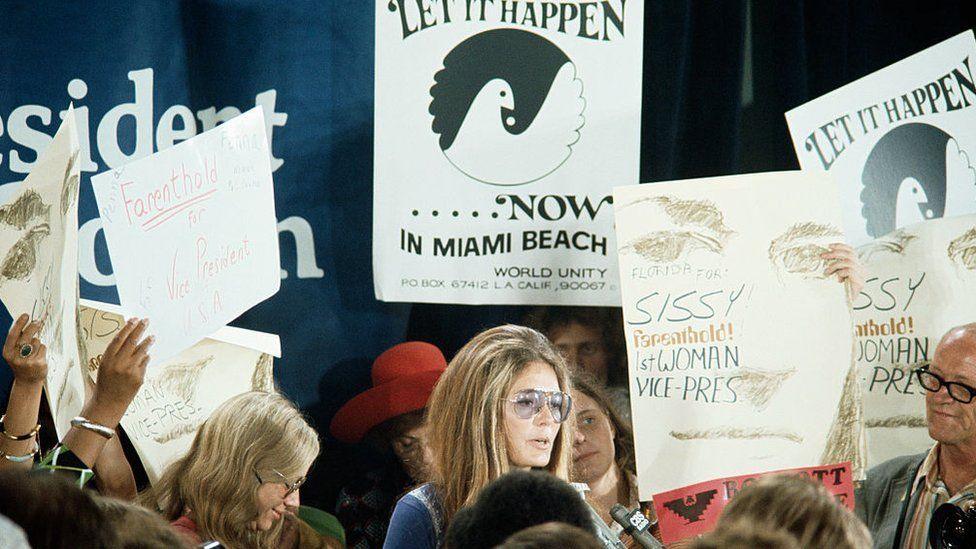
In 1972, Steinem launched Ms. Magazine, a women‑run publication that quickly sold out its first issue and shifted the national conversation toward issues like abortion, equal pay, and political representation.
Abortion Rights Champion
After a personal abortion in London, she used the experience to champion reproductive freedom, coining a phrase that re‑framed the debate and made the topic accessible to mainstream audiences.
Confronting Backlash
Her work drew criticism from both the right and left, media attacks, and even harassment, yet she persisted, testifying before the Senate on the need for an ERA and speaking out against misogyny and other injustices.
Legacy and Current Influence
Steinem’s contributions continue to resonate. The 2013 Presidential Medal of Freedom honored her for expanding opportunities for women, and her ongoing influence inspires new generations of activists.
Gloria Steinem remains a living testament to the power of perseverance, storytelling, and fearless advocacy in transforming the way society views gender equity.