In brief
LIV Golf has lodged a Chapter 11 petition after Saudi Arabia withdrew its multibillion‑dollar backing, meaning all contracted players are now free to leave. The lawsuit, filed in New Jersey federal court, preserves the company’s business while it reorganises debts and seeks a new investor. BC Partners is the latest firm to step in, with a promise of a player‑owned league to start in 2024. Contracts from the current season will expire, giving athletes the chance to join other tours, though the exact timing of those moves remains uncertain. The league’s chief executive highlighted a new, sustainable model that will keep prize money lower than the PGA but higher than the DP World Tour while returning commercial rights to players.
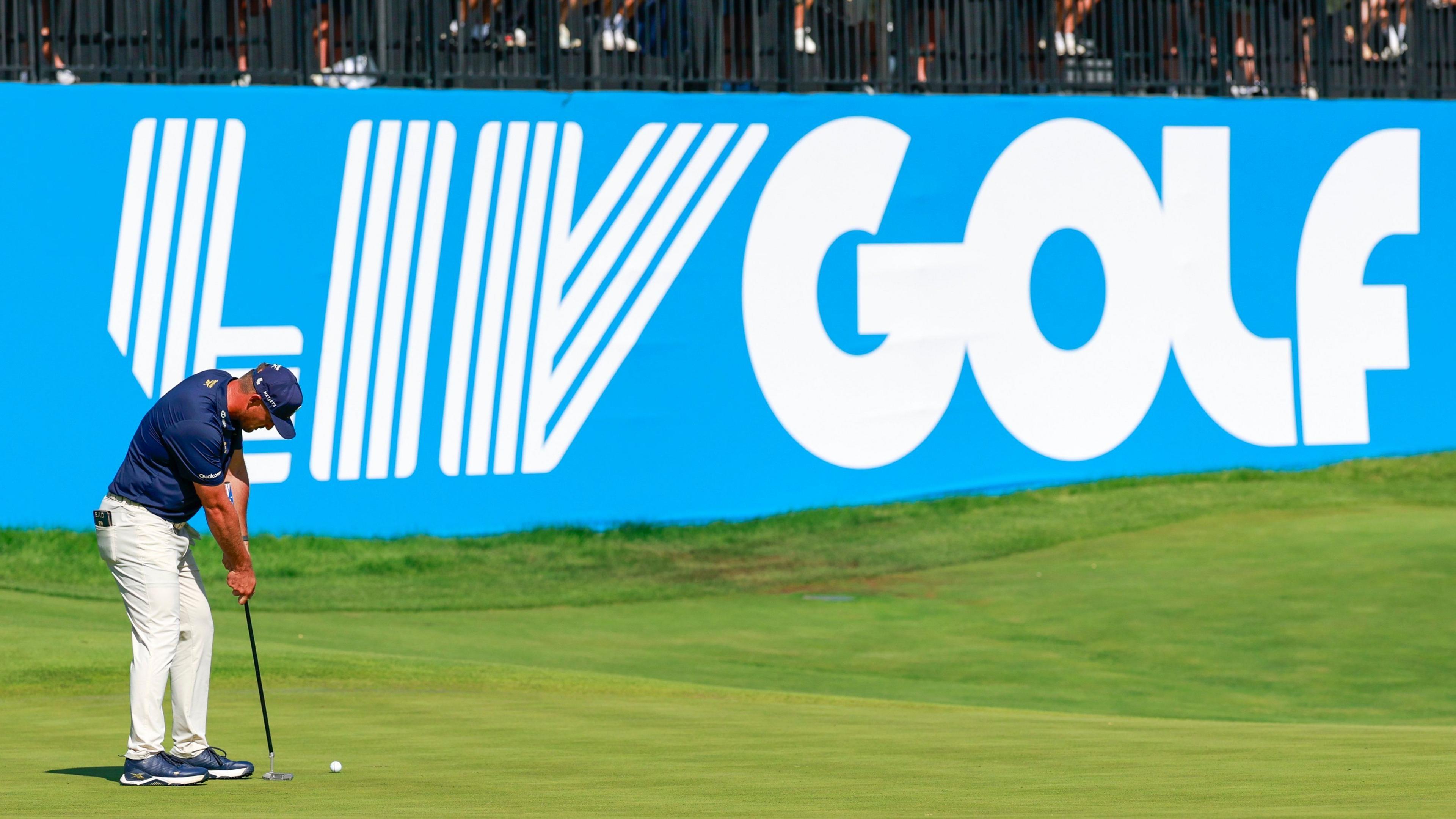
LIV Golf has filed for bankruptcy protection in the United States, a move that allows its contracted players to leave the new tour. The petition, filed in New Jersey on Tuesday, follows Saudi Arabia’s Public Investment Fund (PIF) pulling its multibillion‑dollar sponsorship.
In the filing, the league says it is seeking to preserve its business while it restructures debts. A new all‑stakeholder investor, private‑equity firm BC Partners, has been announced as a potential backer as part of an effort to revive the league for the incoming 2024 season.
With Chapter 11 in place, all player contracts for LIV 1.0 will terminate, freeing star golfers Jon Rahm, Bryson DeChambeau and others to explore options on the PGA or DP World Tours. Players are not obligated to sign new terms under LIV 2.0, even if they had multi‑year deals in the past.
The league’s chief executive, Scott O’Neil, said the re‑structuring gives it time to pursue a landmark transaction and launch a player‑owned model. He highlighted that the new league aims to provide a sustainable business, lower prize money relative to the PGA while still offering higher payouts than the DP World Tour, and re‑instating commercial rights to players.
DeChambeau noted on the Indian‑Pine‑forest final that the league still had “a lot of potential moving forward.” Rahm, meanwhile, defined his future as “time will tell,” but noted he remains willing to honour existing contracts.
While the exact path for players to join other tours remains unclear, the Chapter 11 process also allows LIV to negotiate the settlement of outstanding debts with creditors. The move is part of a larger shift that follows PIF’s statement that “the substantial investment required by LIV Golf over the long term” no longer aligns with its strategy, while it continues to prioritise sports investment broadly.
The filing marks a significant turning point for the league, whose original launch in 2021 brought in more than £3.7 billion of Saudi funding and attracted top talent. The new restructuring promises a player‑first ownership model that could reshape global golf’s competitive landscape.