In brief
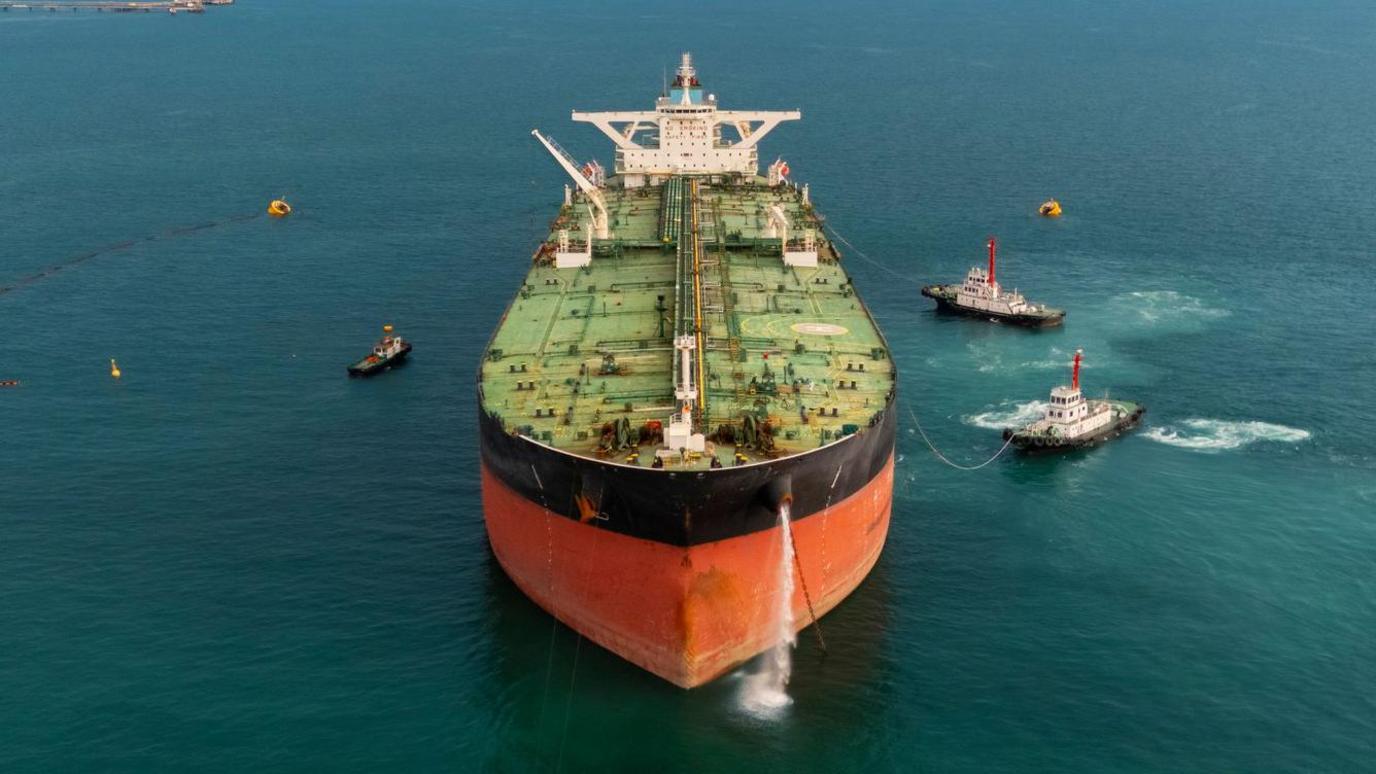
Oil tankers confronting deadly threats across the Middle East have seen movement through the Strait of Hormuz fall to single digits, down from over 100 daily before the Iran crisis. The Houthi militia’s attacks on Saudi tankers using the Red Sea further choke the alternative route, forcing vessels to turn off transponders or reroute. Analysts warn that the downturn in traffic is the most severe stage since the war’s onset. The uncertainty surrounding diplomatic talks with Oman and the US casts doubt on a quick reopening of the strait, while Brent crude prices have slipped amid rising risk.
The current level of danger posed to oil-carrying vessels in the Middle East is the worst it has been since the Iran–United States conflict erupted, specialists say. A sudden spike in attacks along the Red Sea has pushed tanker traffic through alternative routes to historical lows.
Record‑Low Flow Through the Strait of Hormuz
On Sunday only eight vessels crossed the strait and on Saturday 11, compared with more than 100 each day before the war. This congested corridor previously handled about 20% of the world's oil and gas. A temporary easing with the United States in June saw numbers climb, but a renewed 2026 offensive almost overnight stalled the traffic again.
Houthi Attacks Expand Red‑Sea Risk
Yemen’s Houthi militia announced a blockade of Saudi Red Sea ports on 20 July, sparking a wave of missile strikes on Saudi‑owned tankers that use the alternative shipping lane between Saudi Arabia and Africa. With the number of tanker transponders turning off to avoid detection rising from 28 to six in the Bab el‑Mandeb strait on one day, the threat is swelling beyond the Hormuz corridor.
Economic Shockwaves on Global Oil Prices
Brent crude fell as much as 7.3 % in a single day to $81.55 a barrel before easing to $84.05. Analysts note that the shipping uncertainty is a primary driver behind the price dip, as supply chains scramble for alternative routes.
Talks with Oman and the United States Offer Low‑Risk Hope
Iran has said it is engaging with Oman to secure a trans‑regional shipping lane but is clear that it will not reactivate the strait without concessions from the United States. Commercial experts worry that any temporary resolve could be a false start, with shipping remoteness likely taking months to return to pre‑war levels.