In brief
The 38‑year‑old Gambian‑born figure at the center of a $1 trillion lawsuit by 9/11 families has been shown on video meeting Anwar al‑Awlaki, the future al‑Qaeda leader, and painting with a Saudi minister. The footage, seized by the FBI almost immediately after the attacks, contradicts Bayoumi’s decades of denial of extremist ties. Yet the evidence—including a diagram of a plane’s descent—was never shared with investigators in the United States, raising questions about why the case was not pursued or a prosecution brought. The newly released visuals also reveal Bayoumi’s cooperation with Saudi intelligence, adding weight to the lawsuit’s claim of complicity.
The 38‑year‑old Gambian‑born figure at the center of a $1 trillion lawsuit by 9/11 families has been shown on video meeting Anwar al‑Awlaki, the future al‑Qaeda leader, and painting with a Saudi minister.
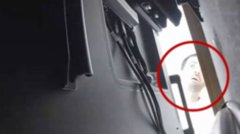
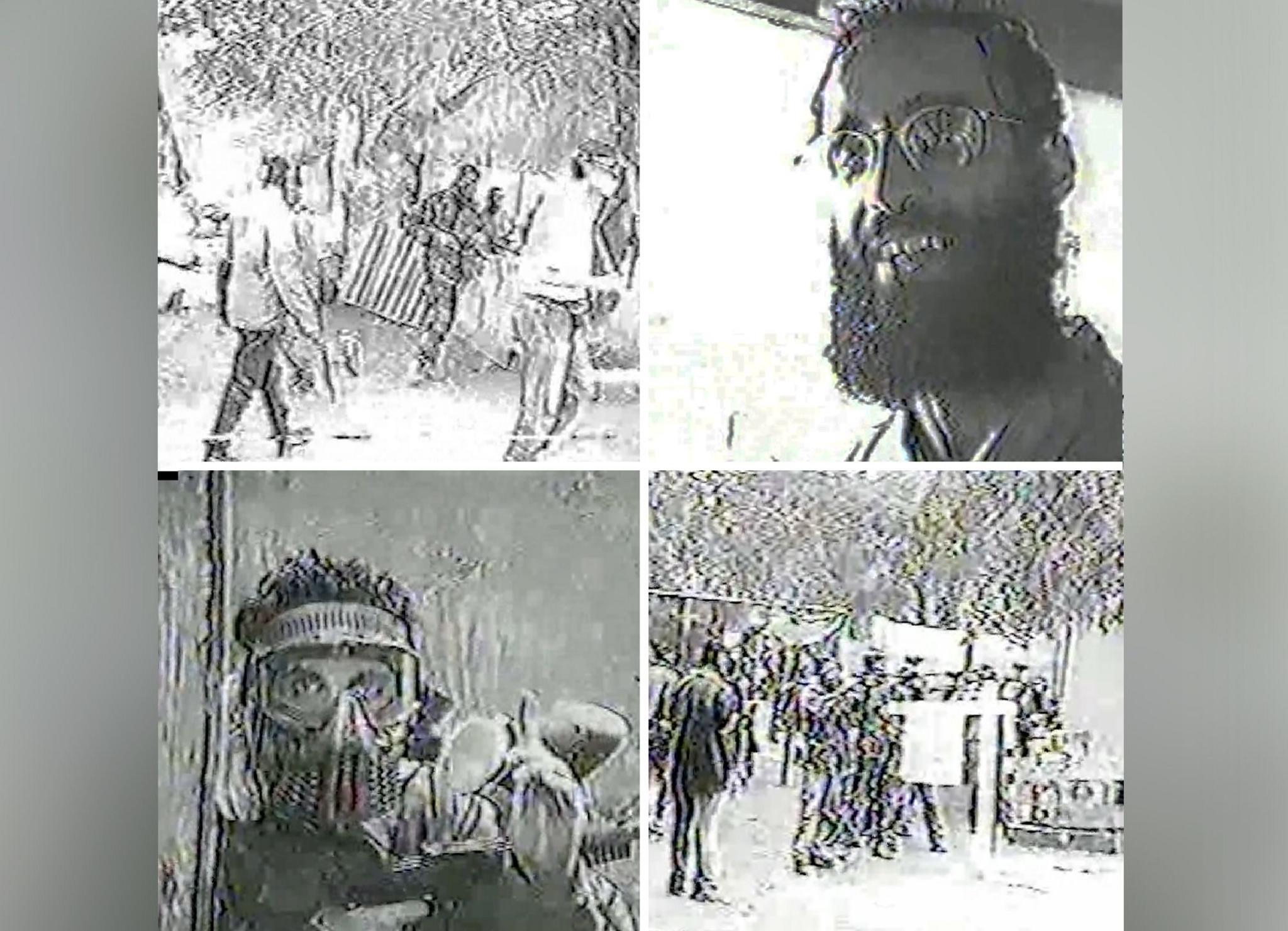
The footage, seized by the FBI almost immediately after the attacks, contradicts Bayoumi’s decades of denial of extremist ties. While Bayoumi claimed he was only a student in the United States, the clip shows him embracing Awlaki and playing paintball with a Saudi official in San Diego.
The video evidence was part of the lawsuit’s material, but it was not briefed to U.S. investigators who were interrogating Bayoumi. Calls for a booking review were blocked; the FBI never sent the materials to the San Diego office, and the 9/11 Commission never had access to the tape.
Key among the hidden evidence was a hand‑drawn diagram of a plane’s descent, found in Bayoumi’s Birmingham home and seized by British police. The diagram was noted by the FBI, yet only a single reference to it appears in released records, and it was not used in any indictment. The plot’s disappearance raises doubts about the handling of key evidence over 25 years.
In addition to the paintball clip, a still showing Bayoumi and Awlaki embracing was revealed during the court‑delivered evidence. That image, displayed to Bayoumi in the custody suite, was never mentioned in the FBI’s summaries of his extremist links, despite its clear implication.
Bayoumi remained free after a short arrest, and no charges have ever been brought against him—despite the FBI’s own assessment that the evidence “could be interpreted as jihadist.” The latest releases, declassified under a 2022 executive order, bring fresh scrutiny to the legacy of the 9/11 investigations and the questions about why the strongest evidence was never pursued.