In brief
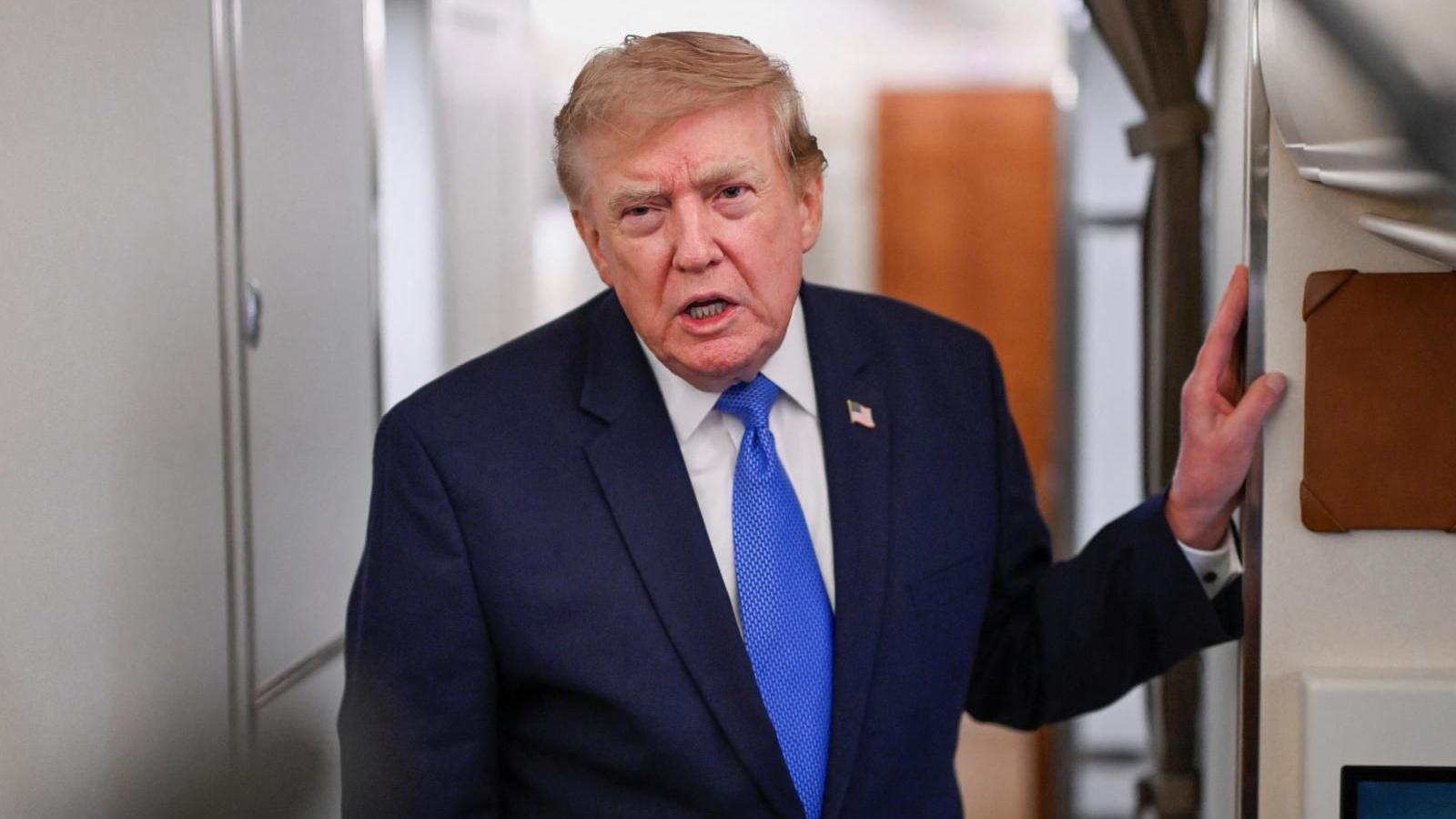
President Donald Trump announced from Air Force One that the United States would cancel a massive strike on Iran and instead open diplomatic channels, with talks slated to begin Monday afternoon. Trump cited pressure from Iran and key allies such as Saudi Arabia, the United Arab Emirates and Qatar to hold off the strike. The announcement came as oil prices fell after volatile market conditions linked to the Strait of Hormuz. Iran denied any request for a halt, calling Trump’s claims a lie, while the U.S. has faced criticism for the conflict’s human and economic toll. The next steps remain uncertain as both sides weigh the prospects of a renewed cease‑fire.
From the cockpit of Air Force One, President Donald Trump announced that the United States would forgo a massive military strike on Iran and instead seek a diplomatic settlement beginning next Monday afternoon.
Trump said the decision was influenced by Iran’s insistence and the backing of key Middle‑East allies, notably Saudi Arabia, the United Arab Emirates and Qatar. He also noted that a deal may already be forming concerning the Strait of Hormuz and the nuclear program.
Oil markets reacted immediately, with Brent Crude falling 4.5% to $83.98 and U.S. oil dropping 4.6% to $80.74, reflecting trader concerns over shipping disruptions through the key naval channel.
Iran’s semi‑official news agency Mehr denied that Tehran had requested a pause, labeling Trump’s statements as a fabricated claim. The Iranian Foreign Minister confirmed that talks with the United Arab Emirates on the Hormuz agreement were on track.
Trump declined to detail the venue of the negotiations or the participants, but stressed that the U.S. remained ready to act if necessary. He also reiterated that he would not seek to kill civilians, calling the prior threat a “biggest attack since World War II.”
U.S. diplomatic officials noted that international law experts have warned such strikes could qualify as war crimes, while Iranian defense officials stressed that any perceived threats were taken seriously, describing them as “real and credible.”
In a broader context, the U.S. has been criticized for the ongoing war’s popularity in the domestic political arena ahead of the November midterm elections.