In brief
Since Iran’s blockade of the Strait of Hormuz, oil tankers have rerouted through the Red Sea, only to encounter a new wave of hostile strikes by Yemen’s Houthi militia. Kpler analyst Matthew Wright notes that daily passage through the strait has fallen from over 100 vehicles to just eight and eleven on two consecutive days, a sharp drop from the pre‑war norm. With many vessels now turning off their transponders to avoid detection, the threat escalates further. Shipping companies caution that a return to normal traffic could take several months once the conflict de‑escalates. Meanwhile, Brent crude fell sharply at a time of heightened geopolitical tensions.
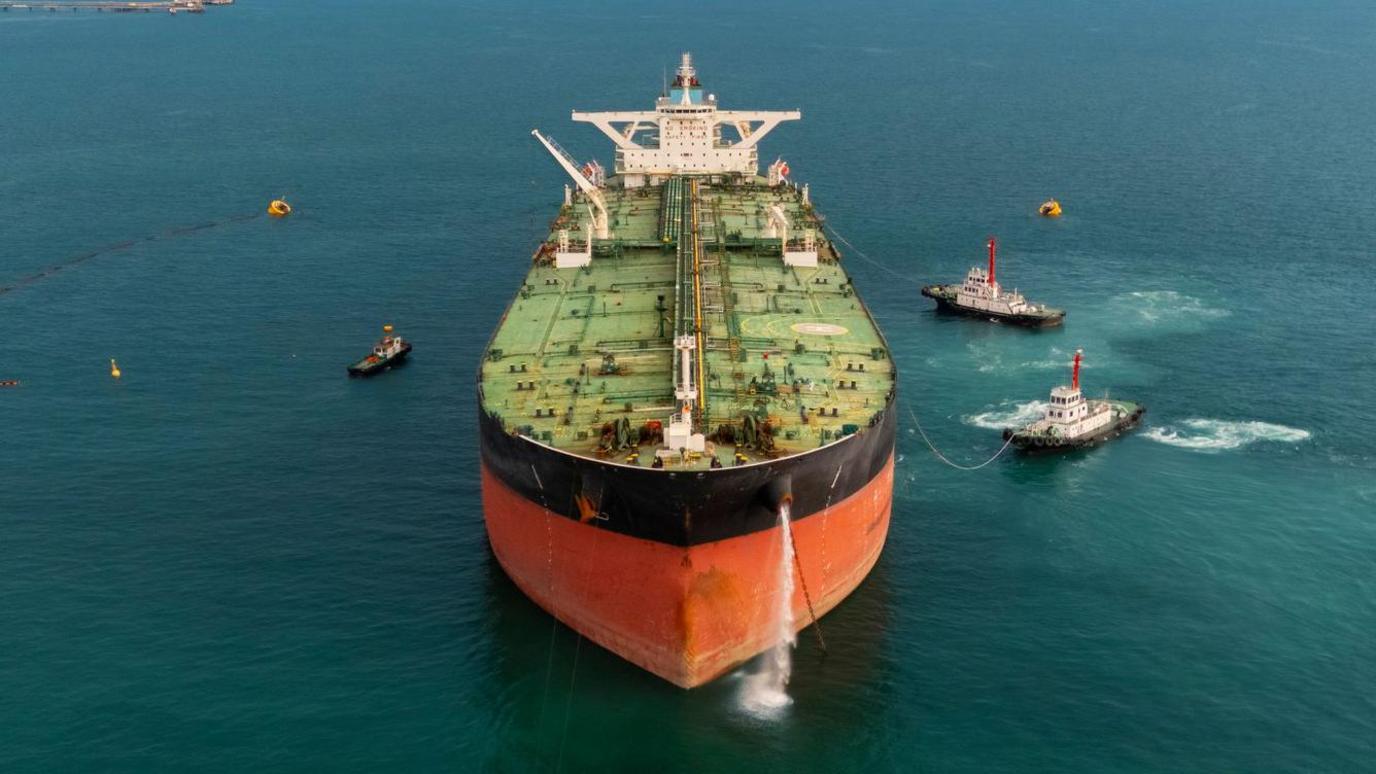
Analysts say the threat to oil tankers in the Middle East has hit its worst level since Iran began blocking the Strait of Hormuz.
After Iran cut off the vital waterway, ships that carried crude from Saudi Arabia have been forced to use the Red Sea. A recent spate of attacks by Yemen’s Houthi fighters on these vessels has pushed security concerns even higher.
Matthew Wright of Kpler, a ship‑tracking firm, points out that daily passage through the Strait of Hormuz has collapsed from more than 100 vessels to just eight and then eleven on the following day.
More than 20% of the world’s oil normally transits that strait, and the current reduction has hit export shipments to Asia to just a handful of vessels per day—about the lowest point since the war started.
Many ships have begun “going dark,” turning off their transponders to avoid detection as they navigate the dangerous route.
Shipping industry leaders warn that even if the strait reopens, it could take three to four months for normal cargo flows to resume, given services have been suspended and ships redeployed elsewhere.
Oil prices fell sharply after US President Donald Trump announced potential strikes on Iran were being cancelled, with Brent crude dropping from a peak of $84.05 to $81.55 per barrel on the day in question.
Global shipping analyst Peter Sand of Xeneta describes the situation as “back to square one,” stressing that the alternatives for transporting hydrocarbons and containers remain limited and uncertain.
Iran insists no agreement will lift restrictions unless the United States ceases its aggression, leaving the crisis in a precarious state.