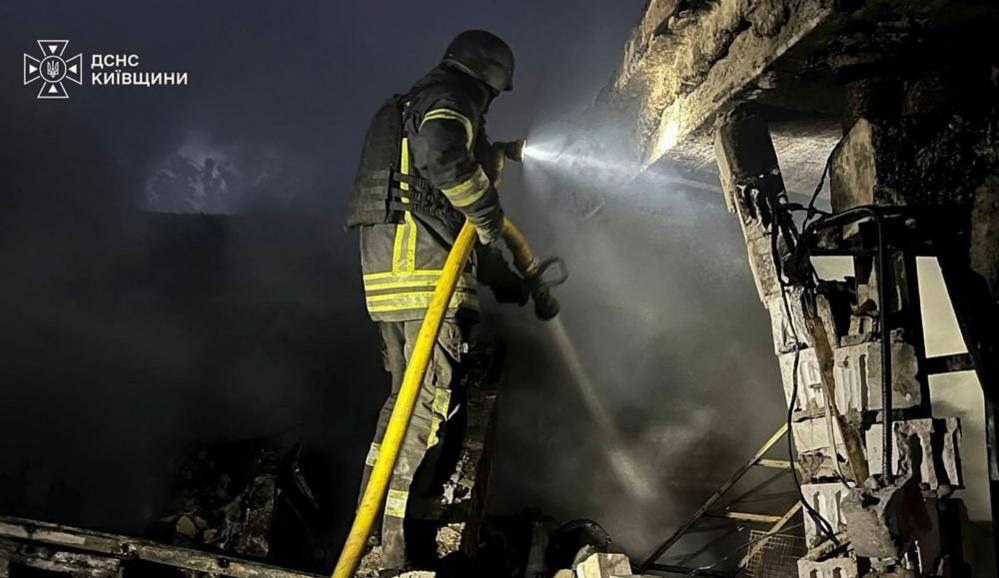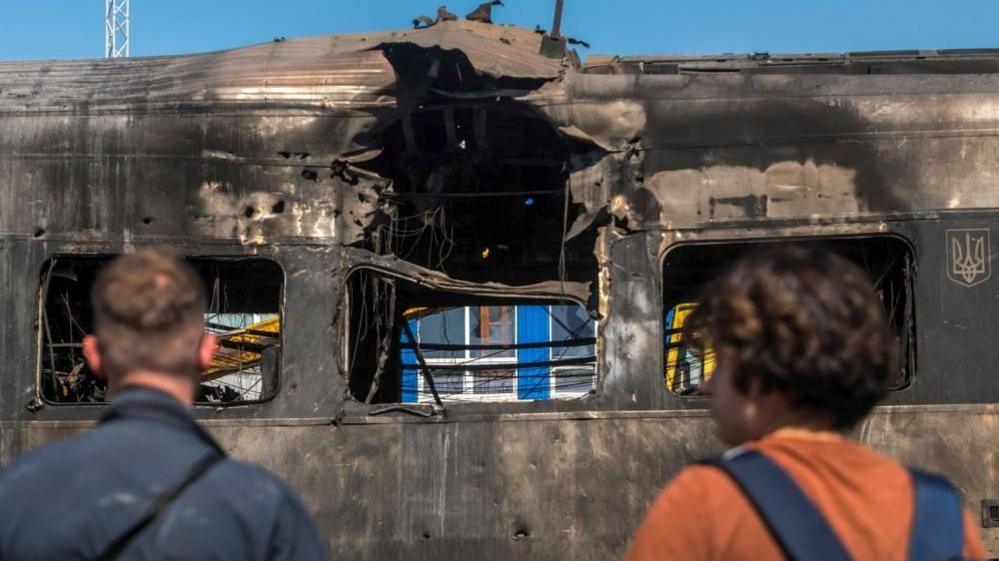
Ukraine’s railways, the lifeline that keeps the country moving amid the ongoing war, have turned into a frequent target of Russian drone strikes. According to Ukrzaliznytsia, more than half of all locomotive hits recorded since 2022 happened this year alone.
The impact on everyday passengers has been severe. Yuliia Ponomarenko, a marketing specialist from Kharkiv, was forced to evacuate her train just before reaching the Poland border after a drone hit a locomotive nearby. Passengers were left waiting for six hours while the damaged section was cleared.
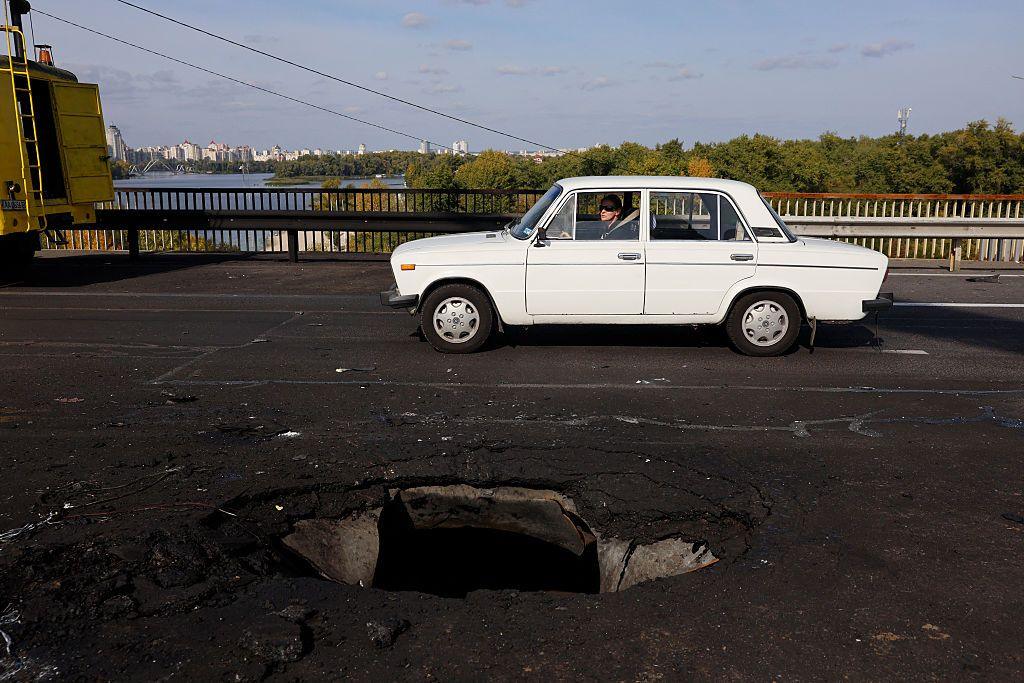
In September, 5,831 trains were evacuated because of drone attacks – an average of 205 per day. The threat is not limited to locomotives; bridges in Kyiv, metro trains and even civilian shelters have suffered hits, intensifying the network’s disruptions.
The head of Ukrzaliznytsia, Oleksandr Pertsovskyi, explained that the company prioritises passenger and crew safety over punctuality. The operator now monitors drones in real time from an underground bunker dubbed the “Iron Command Centre,” where trains inside a 100‑km danger radius must be evacuated and cannot return until the threat has moved on.
Despite casualties being relatively low – eight employees killed, six in a ballistic missile strike on a Kyiv depot – the organization is preparing for winter evacuations. Plans include mobile shelters, winter packs and additional bus services to keep the country connected when temperatures drop below –20°C.
Planners acknowledge that the situation could worsen, especially as the drones become more sophisticated, equipped with AI and image‑recognition capabilities. Ukrzaliznytsia’s strategy involves disrupting drone signalling to reduce the precision of strikes, but the company admits that the cat‑and‑mouse game with Russia will continue for the foreseeable future.