In brief
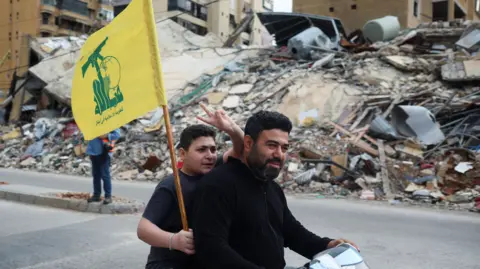
In a significant development, US President Donald Trump has declared a 10-day ceasefire between Israel and Lebanon, effective from April 16, 2026. The truce follows weeks of escalating conflict, primarily involving exchanges of fire between Israel and Hezbollah, a Lebanon-based militant group. The terms of the ceasefire require both nations to take necessary actions to ensure security, with Israel retaining its right to defend against any imminent threats. Both Israeli and Lebanese leaders have expressed hope that this ceasefire could pave the way for a historic peace agreement, while Hezbollah has indicated its willingness to comply if certain conditions are met.
In a significant development, US President Donald Trump has declared a 10-day ceasefire between Israel and Lebanon, effective from April 16, 2026. The truce follows weeks of escalating conflict, primarily involving exchanges of fire between Israel and Hezbollah, a Lebanon-based militant group.
The ceasefire agreement is set to last 10 days, with an option for extension based on mutual agreement during subsequent negotiations. The terms mandate that Israel retains its right to self-defense against planned or ongoing attacks, while Lebanon must take steps to prevent Hezbollah and other non-state armed groups from launching attacks on Israel. This ceasefire is viewed as a gesture of goodwill aimed at facilitating peace talks.
Both Israeli Prime Minister Benjamin Netanyahu and Lebanese President Joseph Aoun have welcomed the truce, recognizing it as an opportunity for historic peace. Netanyahu emphasized the necessity of maintaining a buffer zone in southern Lebanon to protect Israeli communities from potential invasions.
Hezbollah has signaled its intention to participate in the ceasefire but insists that it should encompass a comprehensive halt to all attacks and restrict the movement of Israeli forces. Meanwhile, Iranian officials have expressed solidarity with Lebanon, while the UN Secretary-General commended the role of the US in mediating the ceasefire.
Despite this progress, the situation remains tense, with reports of ongoing exchanges of fire between Israeli and Hezbollah forces, and concerns about the long-term implications for regional stability.