Almost two weeks after the violent storm of 11 August, residents of Gary, Indiana, are still living in near‑total darkness. Power lines were knocked down by gale‑force winds, and while the utility company Northern Indiana Public Service Company (Nipsco) has restored electricity to more than 345 000 customers, an estimated 30 000 people remain without power.
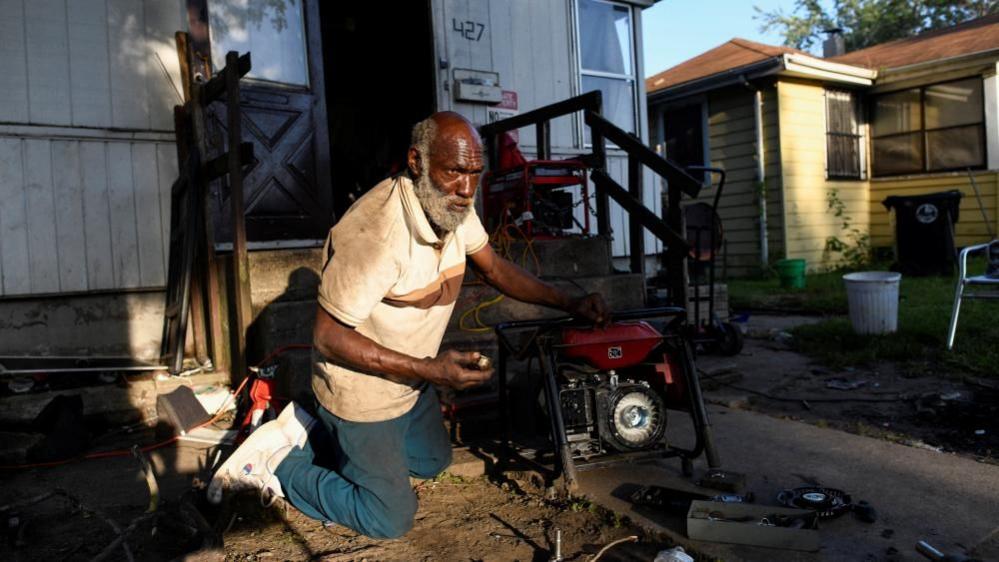
77‑year‑old Terry Dubois describes how she and her neighbours have struggled for food and phone charging—her son supplied a power bank to keep her connected. “It was like a sheer wall of wind,” she says. Residents have had to resort to generators, rely on donated food and water, and navigate the risks of stale air conditioning and impaired refrigeration.
Local businesses and supermarkets were unpowered during the first days, leaving many to eat from their cupboards. At night, streets were “pitch black,” and some patients could not use oxygen tanks or wheelchairs because lifts were non‑functional.
As the outage stretched into a second week, the global food charity World Central Kitchen came with supplies, and the community began petitioning for faster restoration. Meanwhile, residents have launched a class‑action lawsuit against Nipsco, alleging that falling trees caused the power‑line collapse and that the company’s response was delayed.
Governor Mike Braun has demanded a quicker Federal Emergency Management Agency declaration and urged Nipsco to deploy additional crews. He stated: “There is no excuse for these delays.” Nipsco said it expects to re‑restore the whole city by Wednesday, while NIPSCO managers claim “we recognise how frustrating …” the extended outage is.
In the meantime, residents adapted: some used ice to cool off, while others cooked meals outdoors. The community’s resilience was highlighted in a recent press conference by faith leaders who urged that resources be released for all residents, chanting, “12 days is long enough.”