In brief
Youth‑led Cockroach Janta Party protests in Delhi drew viral footage of women swearing at the government. Opposition leader Rahul Gandhi slammed Prime Minister Narendra Modi’s description of women cussing as a "culture shock", sparking criticism over double standards. Commentators point to traditional rituals and widespread use of profanity to argue that women use expletives too. Activists urge focus on the language itself, not its gender, while the controversy has affected families and the younger generation. The debate reflects deeper questions of gender norms, freedom of expression and the evolving political culture in India.
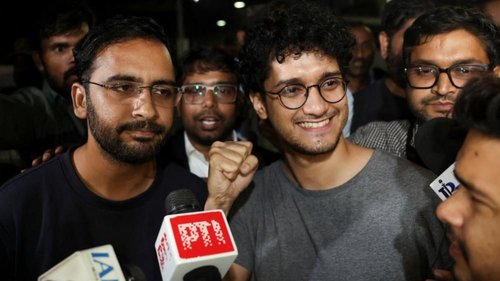
In early July, a series of road‑block protests in Delhi led by the youth‑driven Cockroach Janta Party (CJP) produced footage of several young women swearing at government officials. The videos spread quickly on social media and caused a national stir.
Opposition leader Rahul Gandhi took the incident to Delhi’s parliament, criticizing Prime Minister Narendra Modi’s statement that the swearing was a "cultural shock" and blaming him for a gendered double standard. Modi himself acknowledged the complaints and called the language "extremely abusive" while urging a civilised response, yet he later used a selfie‑video to apologise for the “naughty children.”
The controversy has exposed how many politicians across the spectrum have historically used slurs against women. Journalist Namita Bhandare points to longstanding traditions—such as wedding rituals in northern villages where women chant expletives—that reveal women’s everyday use of profanity. She argues that calling out the female protesters after the fact is evidence of a double standard that ignores similar incidents by men.
Social activist Sunil Jalan suggests the focus should be on the use of profanity itself, not on who speaks it. He notes a 2024 survey that found over half of Indian respondents admitted to using foul language in everyday life, with high prevalence in northern states.
The backlash also hit families on the ground, such as a 15‑year‑old girl who was harassed online after her protest video was posted. The debate now threads into broader discussions about gender norms, freedom of expression and an increasingly vibrant, yet volatile, political culture in India.