In brief
Two prominent figures of the Cockroach Janta Party were released from Tihar jail after a week of detention for breaching barricades at Jantar Mantar. The magistrate’s order came amid accusations that the party’s leaders were calling for the resignation of India’s chief election commissioner, whom critics say has been manipulating voter rolls. The party evolved from an internet joke into a mass movement that has drawn thousands of youth protestors, once sparked by leaked exam papers and now focused on electoral reforms. Their release follows a court verdict that highlighted procedural irregularities in the detention. The event underscores growing tensions between the party and the state over democratic processes.
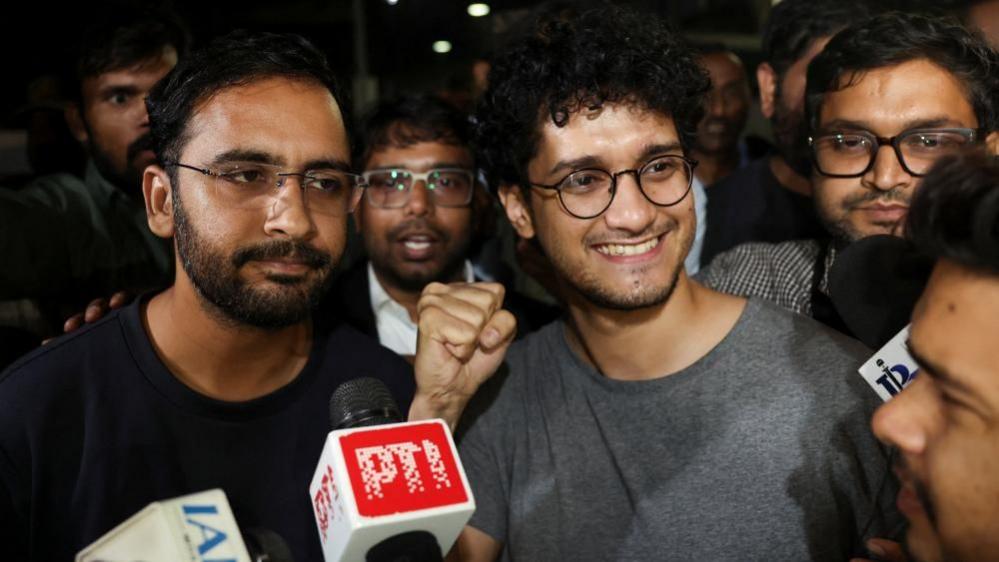
Two leaders of the Gen‑Z‑led Cockroach Janta Party were freed from Tihar jail a week after being arrested for trespassing at the historic Jantar Mantar protest site.
Saurav Das and Ashutosh Ranka walked out after a magistrate ordered their release, following police detention after they crossed barricades and climbed over a locked gate.
The venue had previously been removed from the list of designated protest locations, but the breach still triggered a legal response.
Both men denied wrongdoing and have been publicly demanding the resignation of India’s chief election commissioner, who has been accused by opponents of manipulating voter rolls to advantage the ruling party.
A special executive magistrate court in Delhi released them, citing procedural improprieties, a move reported by legal news portal Bar and Bench.
After being granted bail, Das told reporters from a police van: ‘Truth alone triumphs. Long live the revolution.’
Das and Ranka, key leaders of the CJP, launched the party as an internet joke following a judge’s remark that unemployed youth were like cockroaches in 2026.
The collective, not officially registered as a party, mobilised thousands against leaked exam papers and grew into a major political force by July, sparking clashes with police during a march to Parliament that eventually led to the resignation of the education minister.
The CJP now focuses on electoral reforms, alleging that the chief election commissioner’s Special Intensive Revision of voter rolls has removed about 130 million names, a practice critics claim can disenfranchise eligible voters while the commission insists it removes ineligible entries.
They maintain their campaign for a fair democratic process, urging viewers to follow BBC News India for further updates on the movement and its impact on the national political landscape.