In brief
Students in Nazareth are distributing leaflets to rally Arab citizens for the upcoming election, which is seen as a critical moment for Arab representation. Polls indicate that neither the Netanyahu bloc nor the centre‑right Change Bloc will gain an outright majority, leaving Arab parties in a position to shape the coalition. While some Jewish parties refuse to work with Arab lists, leaders such as Mansour Abbas are positioning his party to influence policy. The stakes are high as the electorate sees the vote as pivotal for the future of Arab Israelis in a country still grappling with the aftermath of the Gaza war, heightened gang violence and allegations of discrimination.
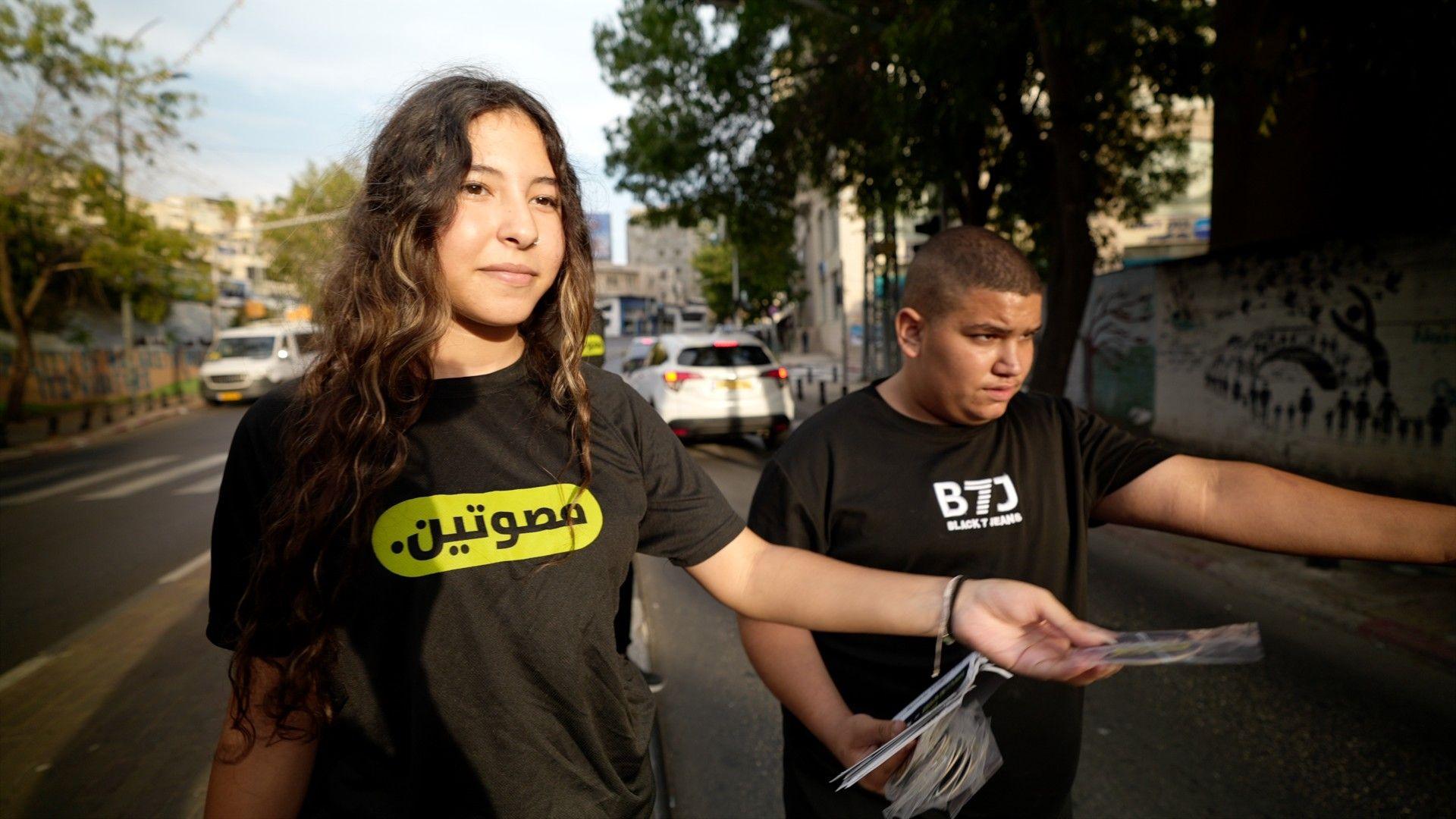
Students in Nazareth, Israel’s largest Arab‑majority city, are handing out leaflets along the highway, urging motorists to vote in an election that could see Arab parties become the decisive block. The push stems from discontent with a government that many Arab citizens feel treats them as second‑class citizens.
Political Landscape Holds Tension
Opinion polls show that neither the Netanyahu‑led coalition nor the centre‑right Change Bloc led by former military chief Gadi Eisenkot will secure a majority of 120 seats. Should neither side achieve a clear win, coalition talks will likely involve Arab lists, though Eisenkot has publicly ruled out partnering with them, citing a lack of shared values.
The recent war in Gaza has sharpened mistrust and hostility toward Arab Israelis, leading to accusations of systematic discrimination from groups such as the Mossawa Centre. Several Arab‑majority parties, including the Joint Arab List (composed of Hadash, Balad and Taal) and the United Arab List headed by Mansour Abbas, are therefore positioned to give or deny constructive influence to any new government.
Mansour Abbas: From Representation to Influence
Abbas, originally part of the Islamic Movement in Israel, has carved a reputation for teaming with Jewish parties while prioritising Arab community issues. In 2021 he became a minister in a short‑lived government led by Naftali Bennett. For the current election he has placed a former Jewish police officer and centrist MP, Yoav Segalovitz, second on his slate, signalling a strategy to position his party as indispensable to any coalition.
Speaking in Nazareth, Abbas explained that parliamentary representation alone is insufficient; he aims to become a partner in governance and to shape policy on matters that affect Arab citizens directly, including tackling gang crime and securing equal rights.
Violence and Voter Turnout
In the summer of 2025 gang crime surged, with murders in Arab districts reaching 252, a figure that is five times higher than that experienced by Jewish residents. Residents like Ziad Samouni, whose son was killed last November, feel the justice system is unresponsive. This sentiment fuels a drive to vote for change and to demand a stronger representation in policy making.
Electoral Legitimacy under Scrutiny
Shortly before voting, the Supreme Court overturned a decision by the Central Elections Committee to disqualify the Joint List and United Arab List. The Committee, dominated by the governing coalition, argued that the parties had violated a law against denying Israel’s Jewish character, an accusation that the parties deny.
On election day, car flags bearing the colors of different Arab parties have appeared across Nazareth, underscoring the high stakes: the Arab vote could determine the makeup of the new government and the future of Arab Israelis.