In brief
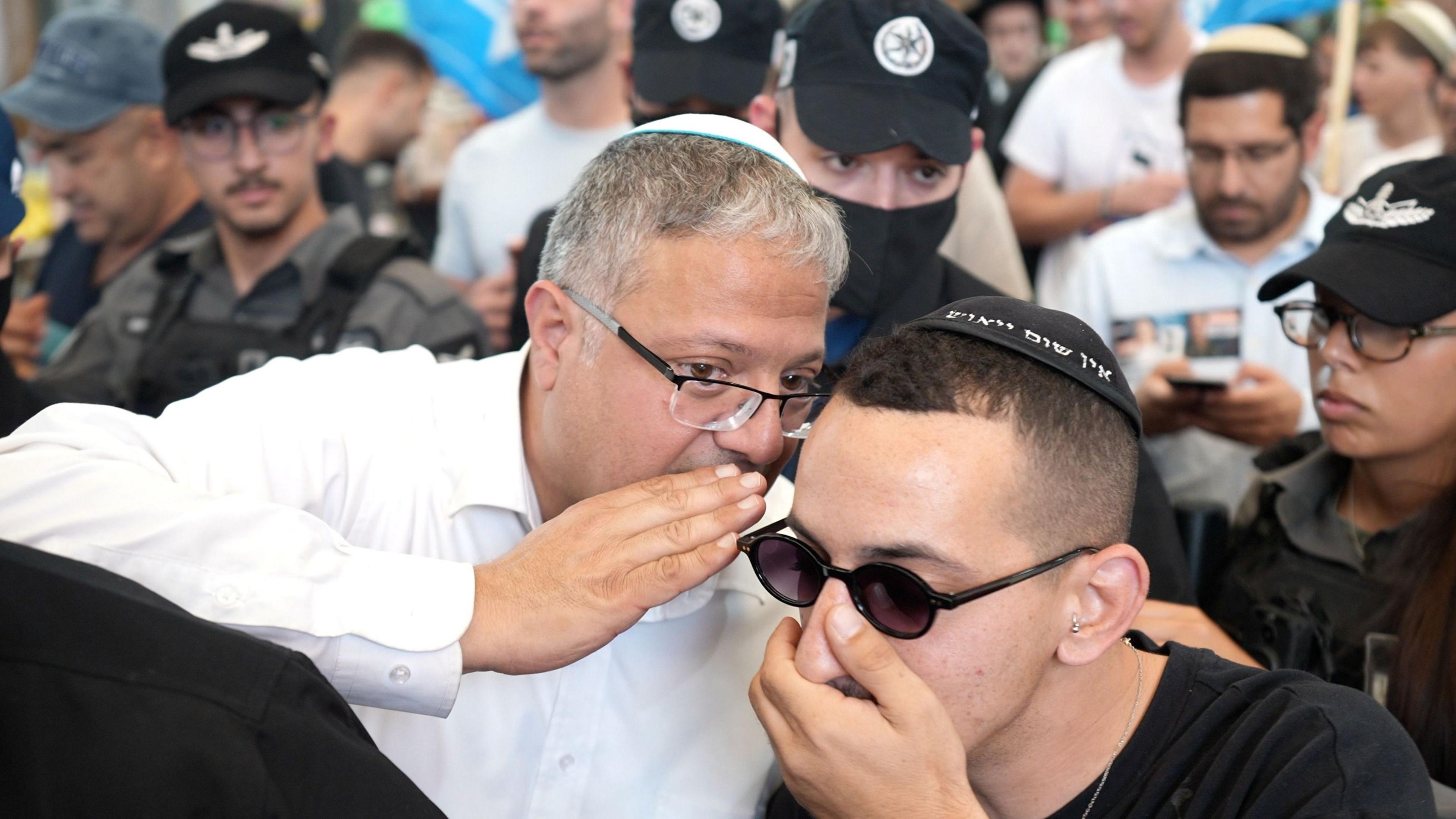
Ahead of Israel’s general election, far‑right National Security Minister Itamar Ben‑Gvir is courting a wave of first‑time voters who view him as a bulwark of security. Polls show that more than sixteen percent of this new electorate back far‑right parties, fueled by a surge of support among 18‑to‑22‑year‑olds. Ben‑Gvir’s campaign in the mixed city of Ramle, where he waved flags with teenage supporters, highlights a generational divide: older residents reject his rhetoric while youth rally behind his promises of strength and protection. Social media has amplified his reach, with TikTok and Instagram turning him into one of the most viewed political figures among Israel’s young population.
In the lead‑up to Israel’s general election, the far‑right National Security Minister Itamar Ben‑Gvir is courting a wave of first‑time voters who see him as a bulwark of security.
"We see the support, we see the love, we want to win!" he told reporters in Ramle, surrounded by a jubilant cohort of young fans waving party flags.
"Itamar gives me a sense of security," said 20‑year‑old Mordechai, a student who accompanied Ben‑Gvir on the campaign trail.
"I think he’s trying to show that we’re a strong country," 18‑year‑old Nadav said, while an ultra‑Orthodox 23‑year‑old Meir Schreiber mumbled that the attacks of 7 October had cemented the new generation’s belief that peace is a myth.
"Young people understand that peace isn’t something we can do," Schreiber explained, citing the trauma of the recent war as a factor turning them right‑wing.
"In 2022 only 59% of Tel Aviv voters cast a ballot – the most liberal city in the Middle East – but where Ben‑Gvir is popular, turnout is about 90%," said a 24‑year‑old opposition candidate, Yonatan Shalev.
"Ben‑Gvir was the first to use TikTok and Instagram to reach youth, turning him into the most viewed political figure on those platforms, now rivaling President Bennett." Shalev noted that younger Israelis largely eschew traditional news sources in favour of social media.
"Our country is deeply divided – some see Ben‑Gvir as the defender of national security, others view him as an existential threat – and the result of the election may hinge on whether these new voters take to the polls," analysis concluded.