Negotiators from Russia, Ukraine, and the US are due to meet in Abu Dhabi for their first trilateral talks since Russia's full-scale invasion of Ukraine in 2022.
Senior officials from all three nations are involved, but it is unclear whether they will be in the same room together at any point. And whilst the talks take a new format, the core differences remain the same.
The stakes are high, but expectations are limited.
Donald Trump is pushing hard for a peace deal in Ukraine – the one he promised but hasn't yet delivered – and he said this week that the two sides would be stupid if they couldn't agree.
But despite some intense shuttle diplomacy by his own envoys, they are hosting the first trilateral talks between Ukrainian and Russian negotiators with some major issues still unresolved.
Ukraine is engaging with the process because it wants peace more than anyone, but also because it needs to keep the US onside. It learned that lesson the hard way last year, when Donald Trump briefly suspended intelligence sharing and military aid.
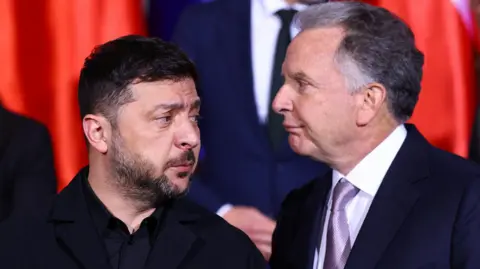
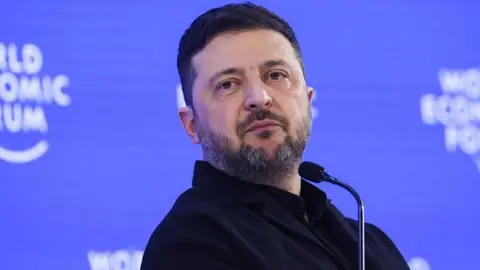
Now, Ukraine's President Volodymyr Zelensky says his talks with Trump in Davos were really positive and he hopes for more air defense support against Russia's relentless attacks as a result.
Often grim-faced after his encounters with the US leader, this time Zelensky seemed unusually upbeat, but he remains cautious about the outcome of talks in the United Arab Emirates.
His comments about the meetings, which may last two days, are characterized as a step, yet he shies away from calling it a positive one.
Despite ongoing diplomatic efforts, the main contention remains the eastern Donbas region – a crucial issue for both parties.
Russia insists that Ukraine should hand over portions of Donbas, which Ukraine adamantly refuses. As Zelensky pointedly notes, peace talks now revolve around territory that has seen profound sacrifice by Ukrainian soldiers.
Furthermore, discussions will also cover what measures the US would take if Russia were to invade Ukraine again, underscoring Ukraine's essential request for security guarantees. In a poignant reflection, Zelensky's administration navigates this landscape, aware of the precarious situation amid adverse winter conditions.
Recent attacks on civilian infrastructure have left many in Ukraine enduring freezing temperatures without power or water, prompting warnings from local authorities about the ongoing threat.