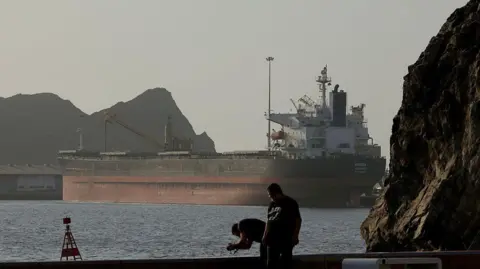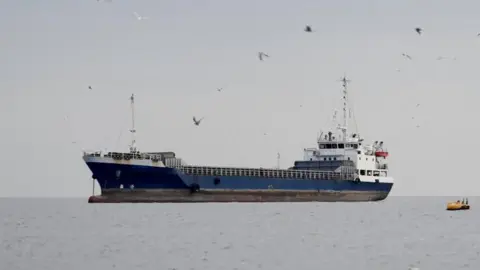
There's no doubt the US military has the capability to mount a blockade of vessels moving in and out of the Gulf. The question is: to what end? Retired US Rear Admiral Mark Montgomery expressed that while a blockade may be less risky than direct military confrontation, its effectiveness remains uncertain. This approach allows the US Navy to monitor and intercept vessels from a safer offshore position, contrasting with potentially costly aggressive actions like seizing Iranian territory or forcing convoy escorts through highly contested waters.
Despite the military's readiness, the blockade aims not just to protect US interests but to destabilize Iran's economy, which has continued to profit by exporting petrochemicals. Analysts argue that a successful blockade might significantly impact Iran's revenue, yet Tehran has shown strong resilience against external pressures and seemingly believes it can sustain greater economic pain than its adversaries.
Past experiences in implementing maritime blockades suggest feasibility; however, the actual results remain to be seen as ships continue to navigate these contested waters. As the situation evolves, the international community eyes the unfolding narrative, hoping to discern the balance in a complex geopolitical landscape defined by competing blockades.
Despite the military's readiness, the blockade aims not just to protect US interests but to destabilize Iran's economy, which has continued to profit by exporting petrochemicals. Analysts argue that a successful blockade might significantly impact Iran's revenue, yet Tehran has shown strong resilience against external pressures and seemingly believes it can sustain greater economic pain than its adversaries.
Past experiences in implementing maritime blockades suggest feasibility; however, the actual results remain to be seen as ships continue to navigate these contested waters. As the situation evolves, the international community eyes the unfolding narrative, hoping to discern the balance in a complex geopolitical landscape defined by competing blockades.