In brief
Germany’s plan to phase out coal by 2038 faces fresh scrutiny after a surge in global natural gas prices. With 20% of electricity still coming from coal, the government is considering whether to keep lignite and imported hard coal plants as backup power. Political divisions between the CDU and SPD add complexity, as the industrial sector demands reliable, affordable energy. Industry groups welcome a potential coal‑relief, while environmental advocates call for a stronger shift to renewables. A parliamentary committee is studying the issue, and a statutory review scheduled for August could decide whether the 2030 lignite deadline is upheld or altered.
Germany has long pledged to phase out coal‑powered electricity by 2038, but a spike in global natural gas prices has prompted the government to re‑examine that promise.
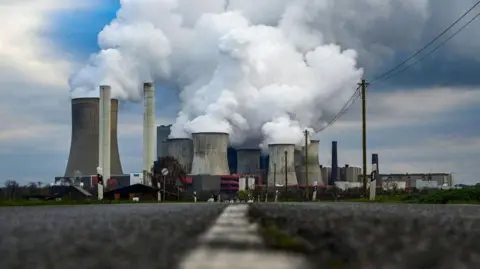
Currently coal supplies roughly 20% of the country’s power supply. While the government aims to shift the bulk of this to renewables—wind and solar already provide 59% of electricity—there is concern a return to cheaper lignite could shield the economy from volatile gas markets.
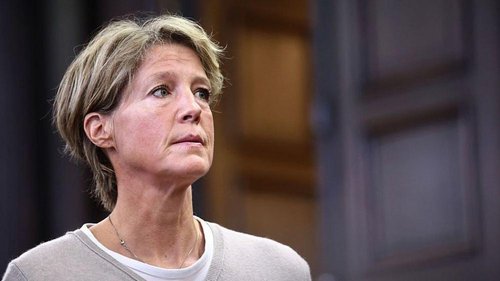
The debate pits industrial stakeholders against environmental advocates. The German Chemical Industry Association stresses that reliable energy at affordable prices is essential for investment, whereas the SPD’s energy spokeswoman warns that relaxing coal rules would create new fossil‑fuel lock‑in.
Germany’s energy mix also depends on imports. With 95% of its natural gas sourced abroad, the country is particularly sensitive to price swings. Lignite, domestic and inexpensive, offers a secure alternative, but it is the most polluting form of coal.
Industry giant LEAG, the nation’s second‑largest lignite miner, welcomes the possibility of maintaining coal plants for “the long‑term security of supply.” Conversely, environmental researchers urge a faster expansion of renewable sources.
In March a parliamentary committee began studying whether six imported hard‑coal power stations—currently used only as backup—could be re‑authorized to run regularly. Their proponents claim higher output would support millions of households and strengthen pricing stability.
Political divisions are highlighted by the coalition government, which includes centre‑right CDU/CSU and left‑wing SPD. CDU officials argue that ensuring affordable energy is paramount, while the SPD highlights the risk of counter‑productive fossil lock‑in.
A statutory review slated for August will assess the impact of the coal phase‑out on supply, security and costs, potentially allowing a strategic reserve to temporarily keep some lignite capacity online.
With the impending review, Germany faces a pivotal decision: uphold the 2030 lignite deadline or extend coal use for energy reliability and affordability.