In brief
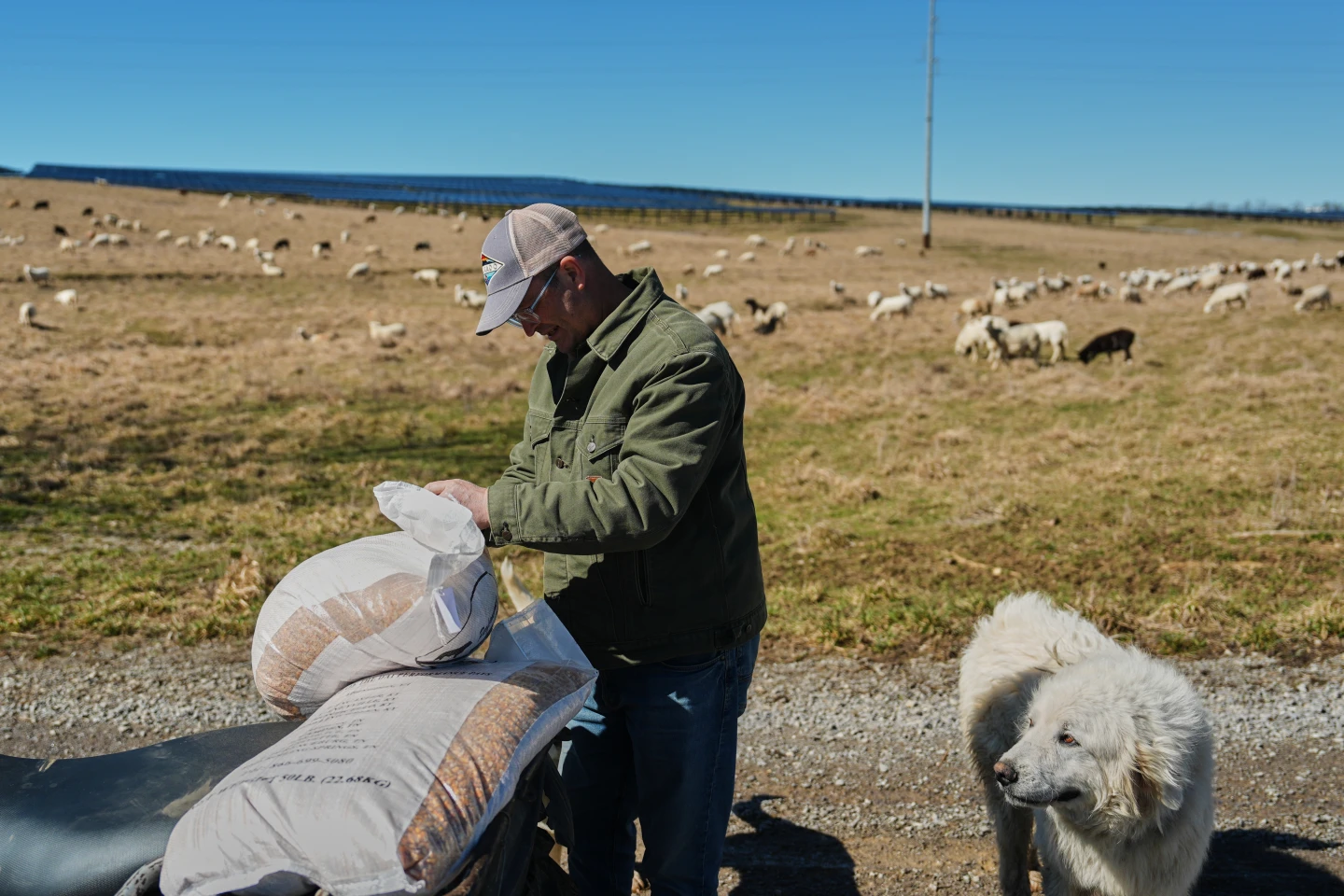
Amidst a backdrop of regulatory upheaval, Kentucky sheep farmer Daniel Bell has found it increasingly challenging to secure funding for a solar energy initiative meant to support his growing farm. After applying for a renewable energy grant through the Department of Agriculture’s REAP, he discovered that grants had been effectively frozen under the Trump administration. This situation illustrates how shifts in federal policy can deeply impact farmers' efforts to incorporate renewable energy sources into their practices.
In recent years, Daniel Bell, a Kentucky farmer, aimed to build a new barn to accommodate his growing sheep flock. Given the distance from power lines necessary for heating, he considered rooftop solar as an ideal solution. To finance the project, he planned to apply for a renewable energy grant from the U.S. Department of Agriculture’s Rural Energy for America Program (REAP), only to discover that the Trump administration had effectively halted funding through this program. This surprise left Bell unable to move forward with his plans, stating the challenge represents a larger issue of freedom to control his agricultural assets and manage expenses effectively.The situation isn't just affecting Bell. Many farmers across America operate on razor-thin margins and have increasingly turned to solar and other forms of renewable energy to cut costs, enhance sustainability, and generate additional income streams. However, the rolling back of federal programs supporting these initiatives has created uncertainty for farmers and energy developers alike.Recent analyses indicated that the USDA has not awarded a single dollar in new rural energy grants for the fiscal year. This troubling development has left many developers to either abandon projects or pivot strategies to adapt to the shifting political landscape. While renewable energy has gained importance against the backdrop of rising energy demands and climate concerns, the discontinuation of supportive federal measures poses significant challenges for farmers eager to explore such options.Ultimately, Bell's experience underscores the real-world impacts of policy changes on agricultural operations and the pursuit of sustainable energy solutions.