In brief
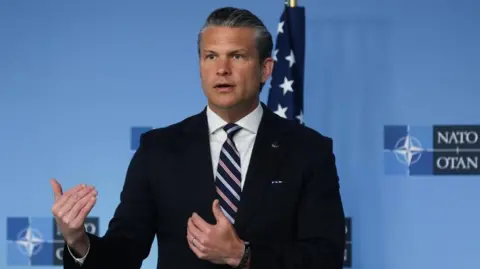
At a NATO defence ministers meeting in Brussels, U.S. Secretary of Defense Pete Hegseth accused some allies of free‑riding, demanding a quicker pace of defence spending. He announced a six‑month review of U.S. troop presence across Europe, calling it NATO 3.0, to ensure the alliance moves toward stronger European leadership. The move follows U.S. scaling back of high‑readiness commitments under the Nato Force Model and hints that due payments may be cut if allies fail to hit the 5% GDP defence target set for 2035.
During a meeting of NATO defence ministers in Brussels, U.S. Secretary of Defense Pete Hegseth publicly criticised several allies for not meeting their defence spending commitments. The criticism came as part of a broader review that the United States will conduct over the next six months to assess the role of U.S. forces across Europe.
Hegseth described the upcoming review as NATO 3.0, a name reflecting the goal of getting the alliance to move quickly toward stronger European leadership. He warned that some countries would fail and others would pass with flying colours when asked to increase defence budgets.
The review follows a decision by Washington to scale back its commitments to the high‑readiness Nato Force Model, which had long relied on air and naval capabilities that may be reduced or withdrawn entirely. The U.S. has spoken of cutting its annual dues to NATO if member states do not meet the 5 % of GDP defence target, an agreement forged in The Hague last year.
Mark Rutte, NATO Secretary‑General, noted that defence spending had already risen by some €90 bn last year and that European countries were already “back‑filling” resources that U.S. forces had previously supplied. He also said that changes to the Force Model were taking effect immediately.
After the summit, the UK’s new Defence Secretary Dan Jarvis arrived without a clear investment plan, a gesture that underscored the current tension between the United Kingdom and the alliance regarding future defence budgets.
In addition, the United States has already announced plans to withdraw 5 000 troops from Germany and to reconsider the arrangement in Poland, in light of disagreements over the conflict in Iran. The U.S. has two military bases in Spain, which has also been the subject of tension after the Spanish government refused to allow the use of air bases for attacks on Iran.