In brief
Farmers in Ohio, particularly Wayne Greier, are finding it difficult to pursue solar energy projects on their land. Greier faced heavy opposition from local officials and the community, which ultimately led to the cancellation of a life-changing solar project. The article highlights the growing local opposition to renewable energy developments, the impact of recent legislation, and farmers' ongoing fight for energy independence and financial viability.
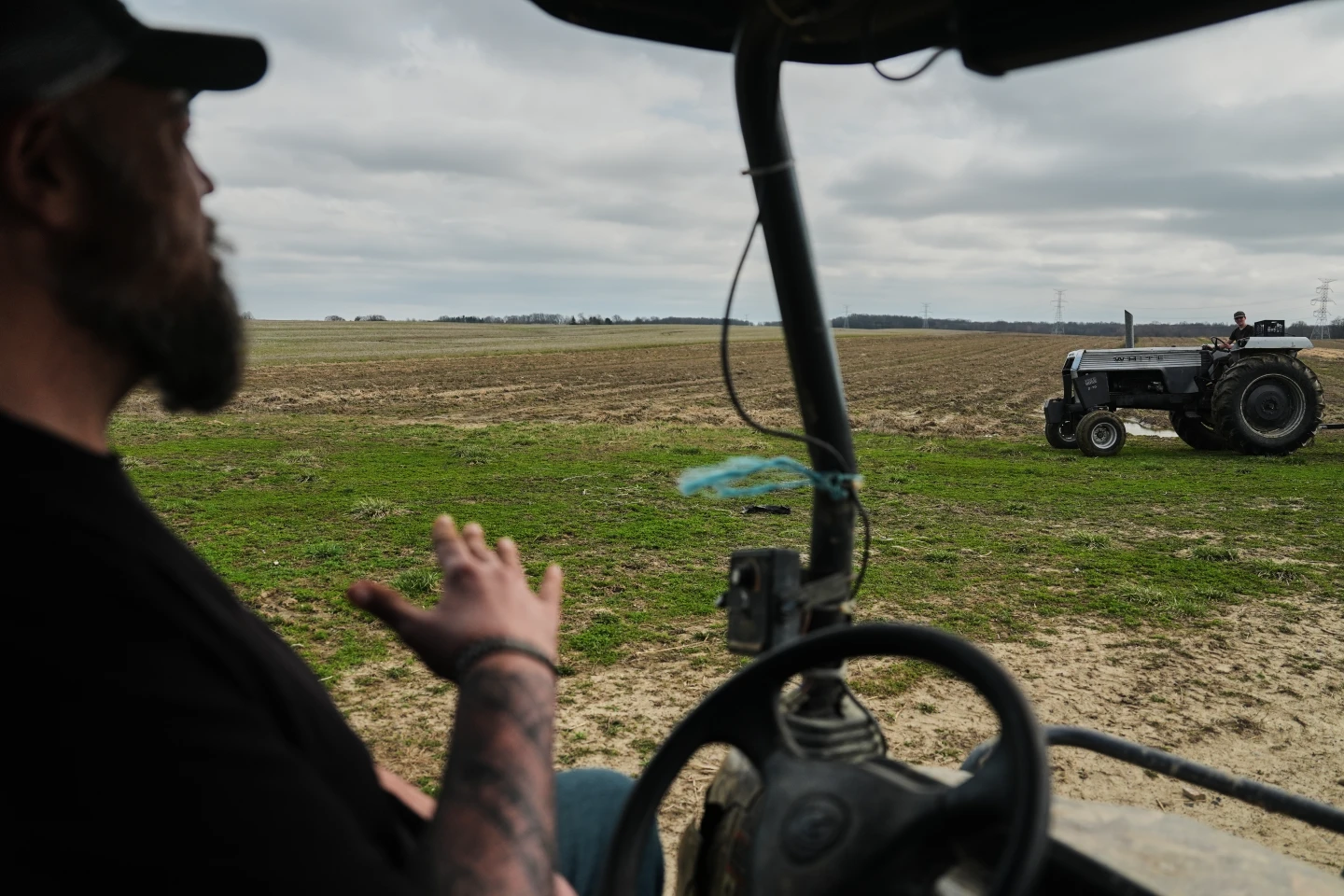
CANFIELD, Ohio (AP) — Wayne Greier, a sixth-generation farmer, reflects on his hope for a solar project that could transform his family's financial situation. Yet, as his son Blake drives a tractor to prepare for planting, Wayne is reminded of the harsh reality: local authorities have blocked the solar farm he desperately needed, forcing him to sell part of his land due to $1 million in medical debts.
“It was our saving grace,” he said of the proposed project, which would have generated roughly $540,000 annually in lease payments. With mounting medical expenses, the loss of the solar project has turned his otherwise optimistic outlook to worry, affecting his mental health amid community opposition.
In various parts of the U.S., local opposition against solar farms has become a significant roadblock. Nevertheless, some communities are actively working to reverse these restrictions, leveraging the economic benefits and job creation that solar energy development can provide.
Greier recounts how his experience with the opposition has led him to advocate for renewable energy solutions further afield. As part of the Renewable Energy Farmers of America, he aims to share his story with other communities wrestling with the same challenges. In Richland County, Ohio, residents have garnered support for a referendum to lift a prior ban on wind and solar projects, mirroring Greier’s frustrations.
Meanwhile, in Garrard County, Kentucky, local farmers like Lita Leavell have experienced their projects stymied by new ordinances that hinder solar development on farmlands. Leavell and other landowners are fighting back against these restrictions in court, asserting their rights to utilize their own property for future energy projects.
Advocates like Juniper Katz emphasize the delicate balance communities must strike between supporting renewable projects and addressing local concerns over land use and environmental impacts. The ongoing shift in federal policy regarding renewable energy could further influence how local laws evolve in the future.
Ultimately, as discussions on renewable energy continue, farmers hope to reclaim their rights and see their land transformed into sustainable energy resources while securing financial stability for future generations.