In brief
Malaysia’s half‑completed Forest City, once hailed as a $100 bn paradise on an artificial island, was live‑streamed empty and ghost‑like. In a mid‑July raid police seized computers, phones and a million ringgit from 32 premises housing 335 criminals, the majority of whom are Chinese nationals. The operations, run from call‑center decks in vacant apartments and bungalow suites, profited from cryptocurrency scams and love‑fraud schemes targeting overseas victims. Experts say the raided complex had the skill sets of a modern cartel – IT, recruitment and money‑laundering – pointing to a professional, transnational scam industry. Local residents, largely unaffected, admit to the alarming presence of fraudsters yet remain indifferent, while authorities warn the West that similar ghost cities may proliferate.
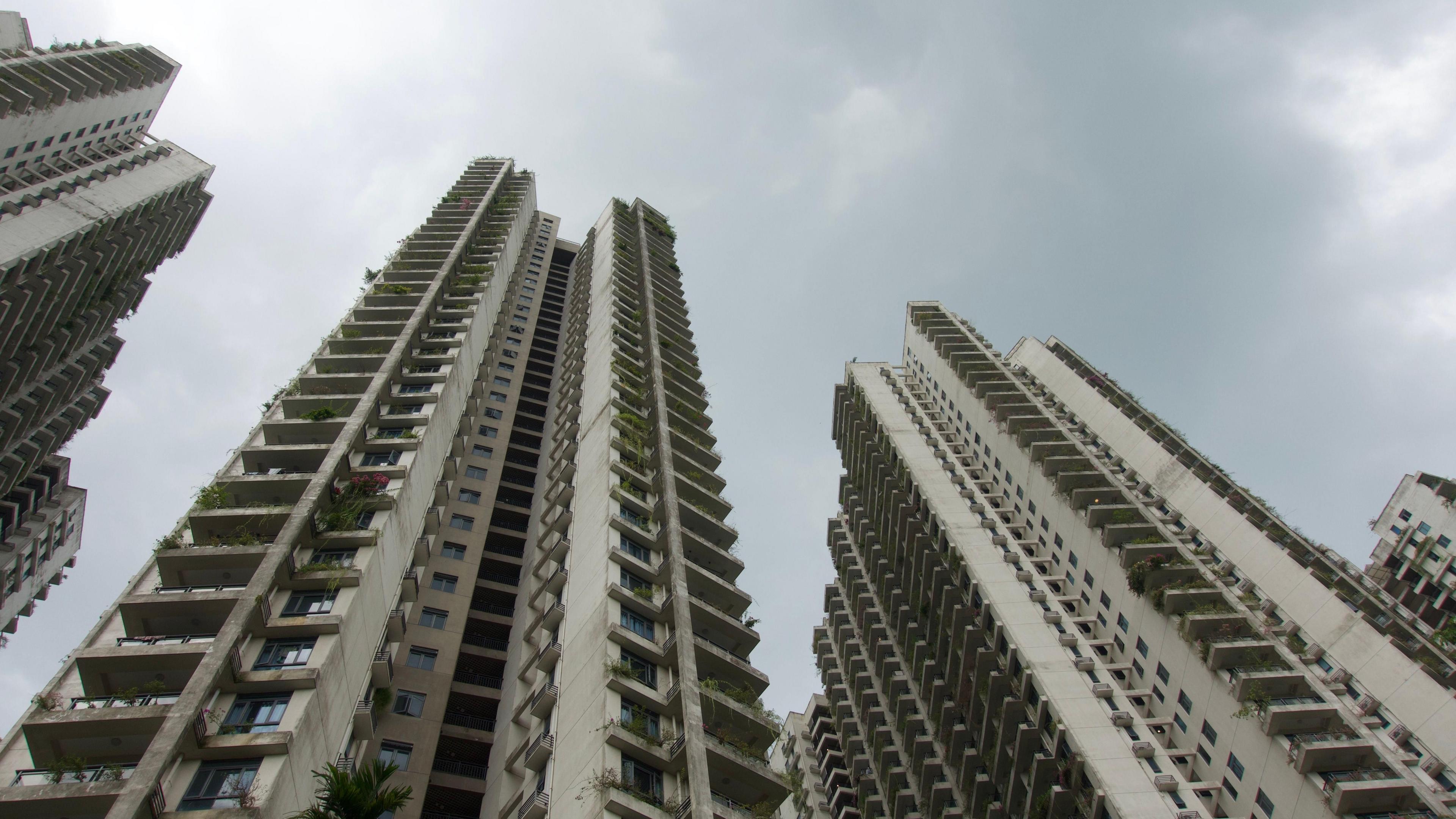
The 14‑sq‑km marvel of Malaysia’s Johor state, Forest City, was built as a $100 bn dream of 700,000 residents. A decade later, the complex remains a ghost town – less than 1% of its promised population occupies its towers and bungalows, and many buildings show fingerprints of dust and vandalism.
In a spectacular police operation in mid‑July, authorities raided two alleged crime‑hubs spread across 32 premises, arresting 335 people and seizing assets worth roughly one million ringgit (≈$245,000). The raid uncovered 313 computers, 17 laptops, 1,557 mobile phones and 10 modems – standard cold‑chain equipment for a digital‐crime syndicate.
The two hubs occupied five flats in a tower (27 apartments) and five suburban bungalows. Police describe them as cryptocurrency‑driven “investment and love scams” targeting unsuspecting victims abroad. Of the 335 arrested, 309 were Chinese nationals, 19 Indonesians, three Malaysians and four Myanmar citizens, according to Johor police chief Ab Rahaman Arsad. Interpol has been called to help track the mastermind behind the scheme.
“The fact that these operations run inside what appears to be legitimate residential infrastructure makes them harder to detect,” says John Wojcik, analyst at crypto‑crime firm TRM Labs. He notes their “dedicated recruitment teams, IT departments, money‑laundering specialists and infrastructure.” The transformation reflects a global shift: what was once forced‑labour‑driven has become a professionalised industry that hires experienced scammers for better pay and working conditions.
Wojcik points out that Forest City offers “modern infrastructure, a large number of vacant properties and international connectivity,” conditions that attract black‑market syndicates. The complex’s layout mirrors infamous scam hubs such as Shwe Kokko in Myanmar, where luxury villas double as fraud headquarters.
The raid follows a series of earlier crackdowns across Malaysia, dating back to 2022 when police seized scam centres in Johor, Penang and Kuala Lumpur. The authorities emphasize that while such operations have been suppressed, organised crime remains entrenched in the country; any signs of large‑scale resurgences warrant close monitoring.
Amid the factional narrative, residents of Forest City appear unconcerned. Tenants like Kevin, whose name has been changed, and Phillip, a tech professional from Singapore, say they are simply doing their day‑to‑day business. “It’s not my business… I work here just for the salary,” Kevin explains, while Phillip notes “the lights on in the condos have gone from one in 20 to maybe one in five.”
While the police raid has shaken the complex, the underlying issue remains: large‑scale, professionalised scam networks can exploit even the most well‑prescribed urban developments. The Forest City case is a stark reminder that a seemingly sophisticated “smart city” can become a breeding ground for transnational fraud if infrastructure is left vacant and unguarded.