In brief
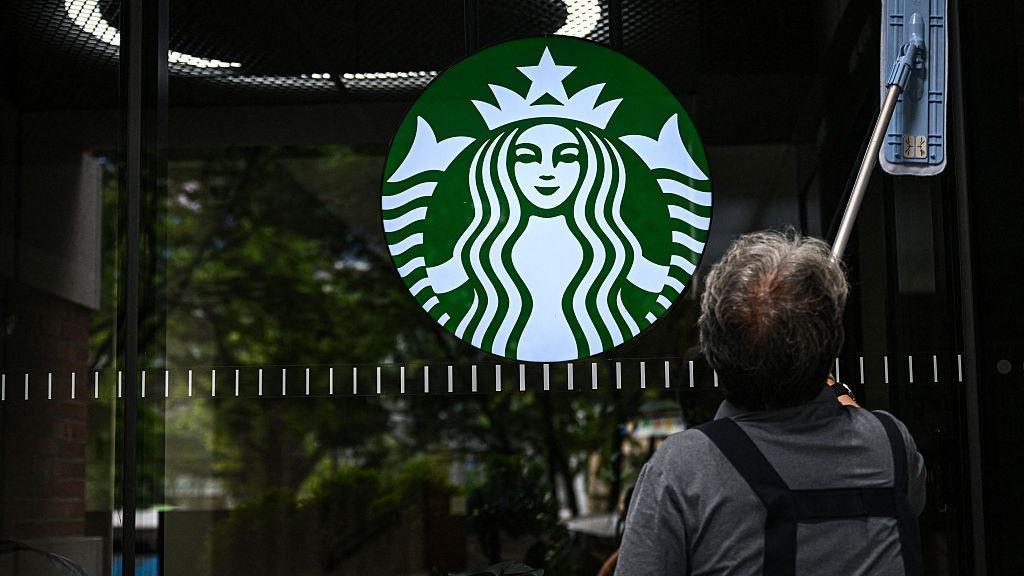
Police raided Starbucks Korea’s national headquarters after the company’s "Tank Day" tumbler promotion—tied to the 1980 Gwangju Uprising—was condemned as a defaming act. The backlash triggered a boycott, an internal investigation, and the dismissal of Starbucks Korea’s CEO. The episode deepened political tensions, with right‑wing groups turning Starbucks cups into symbols of opposition. Starbucks now faces heightened scrutiny as one of South Korea’s biggest coffee chains tightens its market foothold.
The promotion, released in May, offered coffee tumblers with a tank logo on the anniversary of the 1980 Gwangju Uprising—a day when hundreds were killed by the military. Many felt the image borrowed from the tanks that crushed pro‑democracy protests, and the slogan "tak on the table!" was interpreted as a reference to a 1987 police statement about a student activist’s death.
Civic groups pressed criminal complaints for defamatory statements, triggering a government‑led investigation. Shinsegae Group, which licenses Starbucks in Korea, admitted the mistake was unintentional, noting the marketing team had failed to see the historical ties and upper management had not caught them.
In late June, Starbucks stores nationwide closed for half a day to allow staff to attend a brief history lesson on the Gwangju Uprising. The chain’s CEO was promptly dismissed, and the company issued a public apology for its "inappropriate marketing" and the resulting sales decline.
The controversy has become a political flashpoint: the opposition used Starbucks cups to oppose President Lee Jae‑Myung’s policies, while the ruling side enacted an ad‑hoc boycott of the brand. The incident has cemented Starbucks’ coffee mugs as a symbol of anti‑government sentiment.
For more on the CEO’s dismissal, see the original report: Starbucks Korea sacks CEO over controversial 'Tank Day' promotion.