In brief
On Tuesday, an Indonesian court found 19 people guilty of trafficking 34 babies and selling them for adoption, with at least 12 children believed to be living in Singapore. The verdict has sparked a debate over whether the children should be returned to Indonesia or remain with their adoptive parents. Singaporean and Indonesian authorities are still deliberating, with legal experts noting the difficulty of revoking adoption orders in Singapore and the complex considerations of the children’s best interests. Justice agencies and child‑rights groups warn that the children could be treated as victims of trafficking, requiring protection for both the children and the unaware adoptive parents. The case underscores the gap between domestic legal procedures and cross‑border child‑rights enforcement, leaving the children’s future open to further legal and diplomatic negotiations.
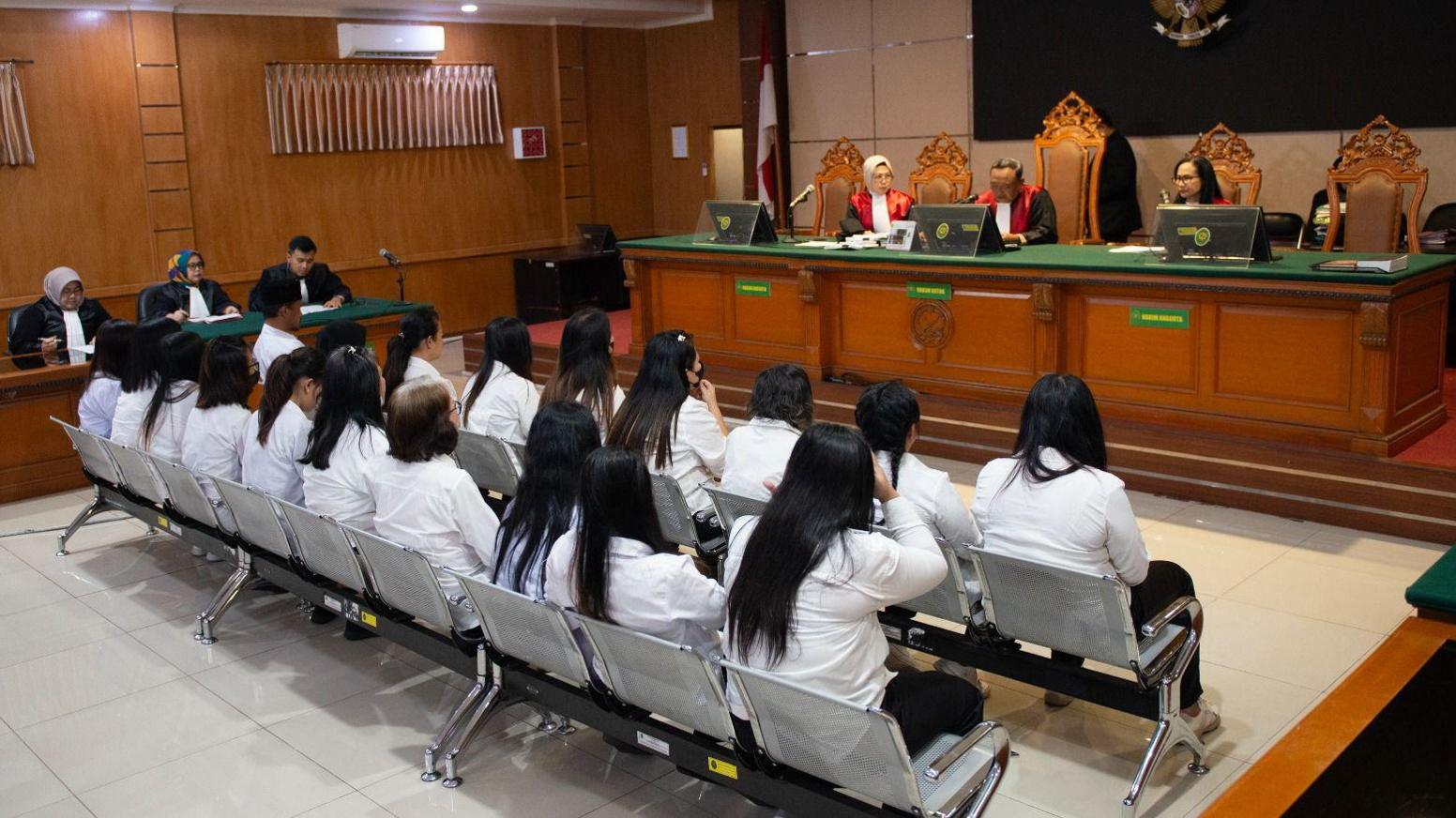
On Tuesday, a West Java court convicted 19 people for trafficking 34 babies and selling them for adoption, a high‑profile case that has reverberated across Indonesia and Singapore. Most of the children were destined for Singapore, where at least 12 are currently in families’ homes.
The verdict has sharpened a key question: what will become of the babies now in Singapore? The governments have been in silence, while lawyers warn that the legal framework in Singapore treats adoption orders as final, making revocation highly complicated.
Singaporean adoptive parents—who were told the children were legitimate—are anxious for a decision that respects the children’s best interests. ‘We simply want to know what will happen to our son,’ said the father anonymously, citing a year of uncertainty.
The Indonesian foreign‑affairs ministry has said it plans to examine each child’s legal status and biological parents before acting further, reiterating its commitment to the children’s welfare.
In Singapore, the ministries for home affairs and social and family development are working closely with Indonesian counterparts, stating that the courts will consider the children’s best interests in pending adoption applications. They have also said that there is no evidence that any offence has been committed in Singapore.
Legal experts note the uncharted territory of revoking adoption orders in Singapore. A Singaporean law firm points out that the only time an adoption order might be reversed is when the basis of the adoption is proven unlawful—something prosecutors may try to argue given the fraudulent birth certificates issued by the trafficking ring.
Criminologist Ni Made Martini Puteri and child‑rights commissioner Ai Maryanti argue that the children should ultimately be treated as trafficking victims and returned to Indonesia, or remain in Singapore with adoptive parents if the children’s identity cannot be confirmed in Indonesia.
If returned, the children would enter state care, as evidenced by eight infants already in Bandung orphanage after rescues. The situation underscores the fragile intersection of domestic law, cross‑border child‑protection, and the welfare of young. The closure of the case has neither settled the fate of the children nor the future legal strategies of the two countries involved.