In brief
A recent Indonesian court convicted a trafficking syndicate that supplied dozens of babies to Singapore for adoption. The 12 children already in Singapore face uncertain futures, as adoptive parents and officials grapple with the legal and emotional implications. Indonesian authorities have pledged to prioritize the children’s best interests, yet the mechanism for revoking adoptions in Singapore is untested. Questions persist about whether the babies should return to Indonesia or remain with their adoptive families, and how to resolve the identity and welfare of those whose biological parents remain unknown.
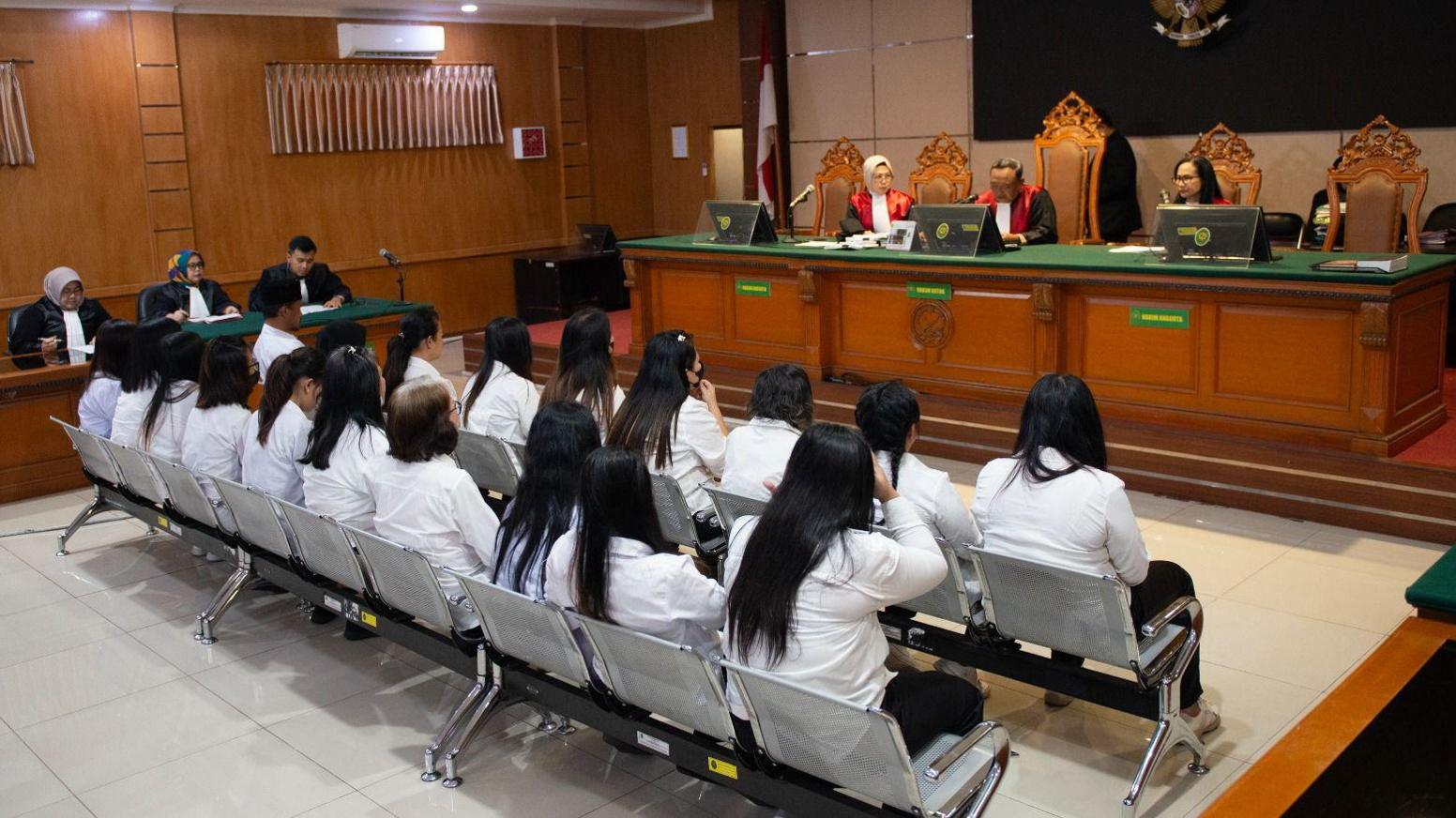
A court in West Java last week sentenced 19 people who organized a baby‑trafficking ring that supplied at least 34 infants for adoption, most of whom were shipped to Singapore. The verdict has clarified the criminal liabilities of the traffickers, but the lives of 12 babies already in Singapore remain in legal and emotional limbo.
For the adoptive parents in Singapore, the case has been a period of anxiety. One Singaporean, who prefers to be anonymous, told analysts that he dreamed of eight months of uncertainty waiting to know whether his son would stay with them or be sent back to Indonesia. He emphasized that the best decision should be based on the children’s “best interests.”
Indonesian authorities have responded by pledging to “prioritize the best interests of the children,” while acknowledging that many of the babies’ birth parents remain unknown. The ministry also pointed to ongoing investigations into the children’s legal status and the pertinent procedures that Singapore is still unaware of.
Singaporean lawyers note that revoking an adoption order is unprecedented in the country. The typical process involves stringent safeguards and is usually considered final. Nonetheless, some experts argue that, given that the babies’ birth certificates were fraudulently issued by the trafficking ring, a court on appeal could question the validity of the adoption measures and decide to terminate them.
Complicating matters is the lack of clear biological parents for many of the victims. Some of the babies are already in an orphanage in Bandung, and if they were sent back they would enter state care. A child who has lived in Singapore since infancy may have stronger ties to his adoptive family than to unknown relatives in Indonesia, a view echoed by both local child‑rights advocates and adoptive family members.
The case underscores the need for a coordinated response from both Indonesia and Singapore. As the Bangladeshi lawyers await judicial decisions, families expect closure that protects the children’s welfare while also respecting any discovered biological lineage. The path forward remains unclear, with the two governments caught between legal precedent, humanitarian concerns, and the emotional stakes of the families involved.