The murder trial of mother Lindsay Clancy, who killed her three infants in 2023, has stunned legal experts and the public. A Massachusetts judge declared a mistrial after the jury could not agree on a verdict, underscoring how the case has become a mirror for broader debates about mental illness, faith, and the criminal justice system.
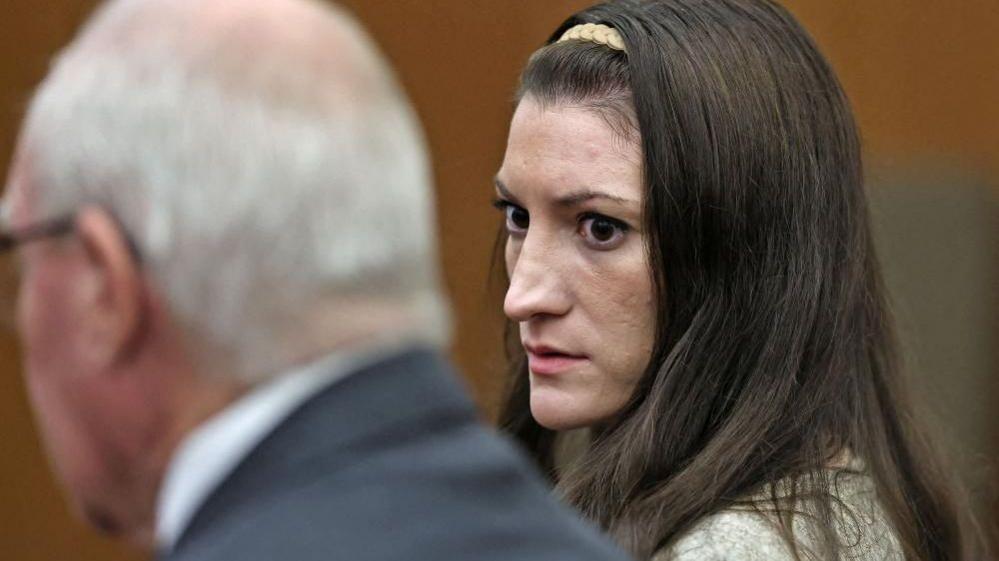
Clancy faced three counts of first‑degree murder. While she did not deny that the children died, her lawyers argued she suffered from postpartum psychosis, a condition that can trigger violent acts during the postpartum period.
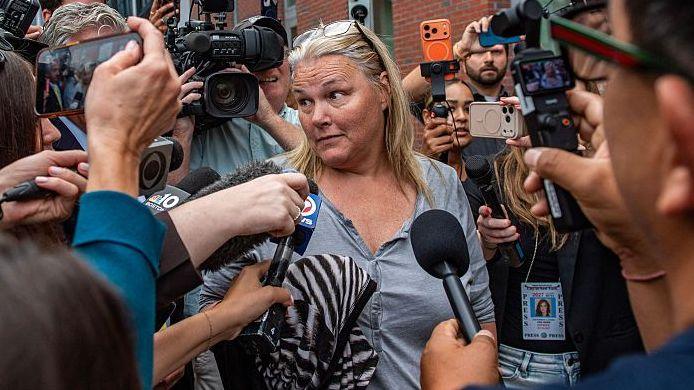
The proceedings drew massive media attention: footage of the courtroom, televised testimony, and a surge of commentary from religious communities. Pro‑defence voices urged the public to recognize the complexities of postpartum mental illness, while pro‑victim groups demanded accountability for the children’s deaths.
After days of deliberation, the jury admitted that it could not reach unanimity, resulting in the judge’s mistrial ruling. The decision leaves the case unresolved, and prosecutors face the difficult choice of pursuing a re‑filing or seeking a plea agreement.
For several weeks the trial dominated headlines across the United States, reflecting deep divisions. Social media amplified the narrative, with posts both supporting the defendants’ claim of mental‑health‑related guilt and condemning the violence, illustrating the complex interplay between law, psychology, and religion in modern America.