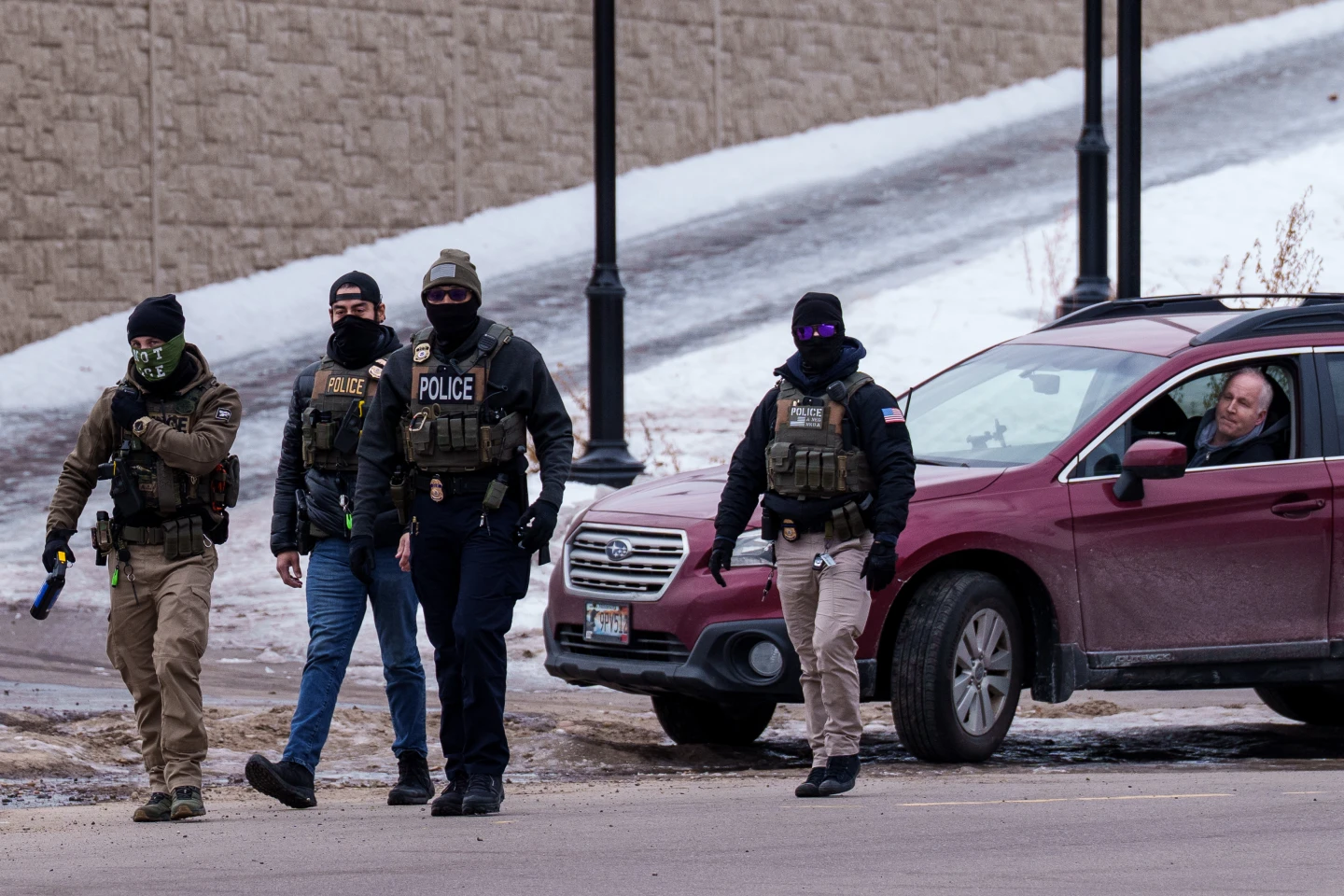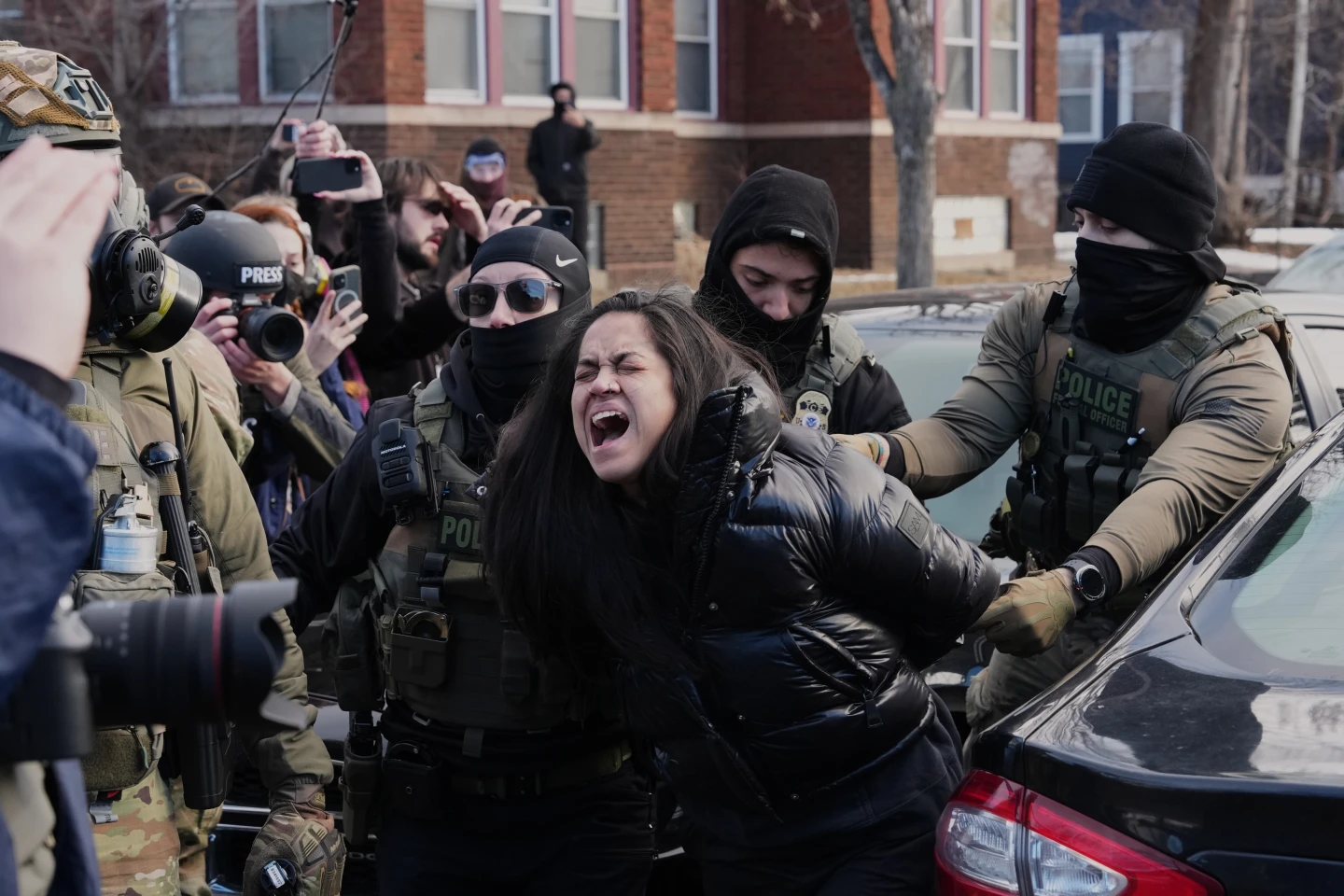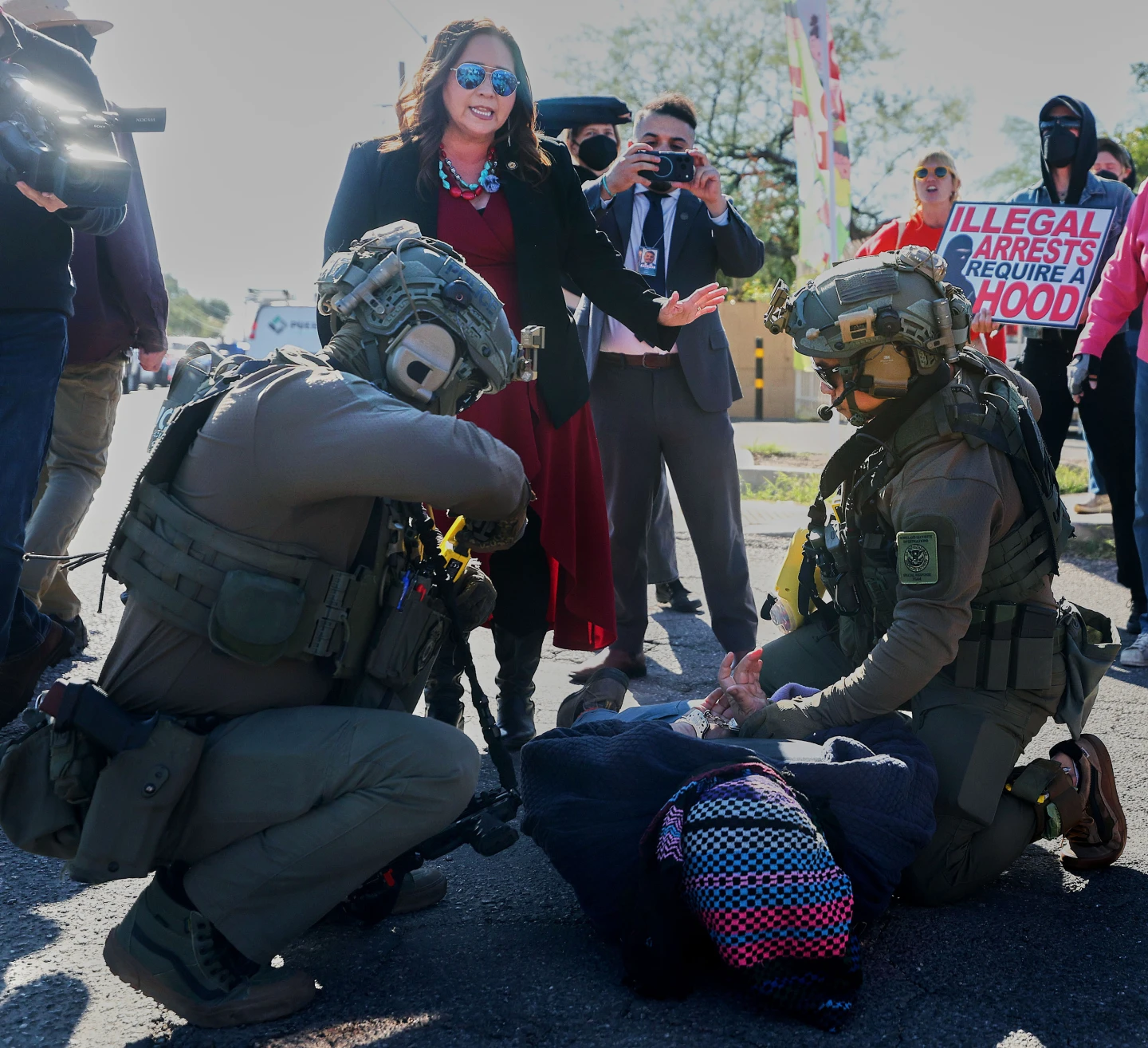
A federal law enforcement operation at an Arizona taco shop resulted in a fracas on Friday, with agents deploying pepper spray as a group of protesters tried to stop authorities. Two agents were injured, and U.S. Rep. Adelita Grijalva was in the vicinity as protesters were sprayed. The Democratic congresswoman from Arizona took to social media, claiming she was sprayed in the face and accused immigration enforcement officers of operating without transparency or accountability.
'While I am fine, if that is the way they treat me, how are they treating other community members who do not have the same privileges and protections that I do?' she stated.
Less than a month ago, Grijalva was sworn in as the newest member of Congress after winning a special election in September to fill her late father's House seat.
In videos posted online, Grijalva detailed the incident, where she, along with two staff members and media personnel, were subjected to harassment by agents during what residents believed to be a federal immigration raid. Protesters expressed fears of individuals being taken without due process.
Grijalva indicated she did not know what substance she was sprayed with, but it was still affecting her with a cough. Federal officials reported that she was not pepper sprayed and that the operation was part of an ongoing investigation into immigration and tax violations across multiple Tucson restaurants.
Department of Homeland Security Assistant Secretary Tricia McLaughlin referred to the group of protesters as a mob, disputing Grijalva’s account and reiterating that she was in the vicinity of someone who was pepper sprayed while obstructing law enforcement.
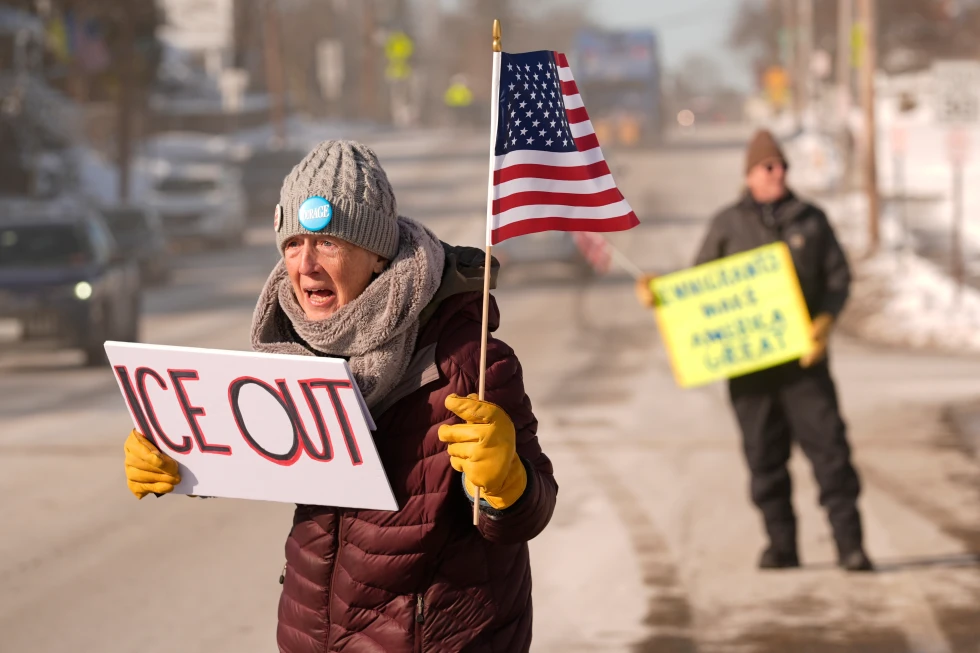
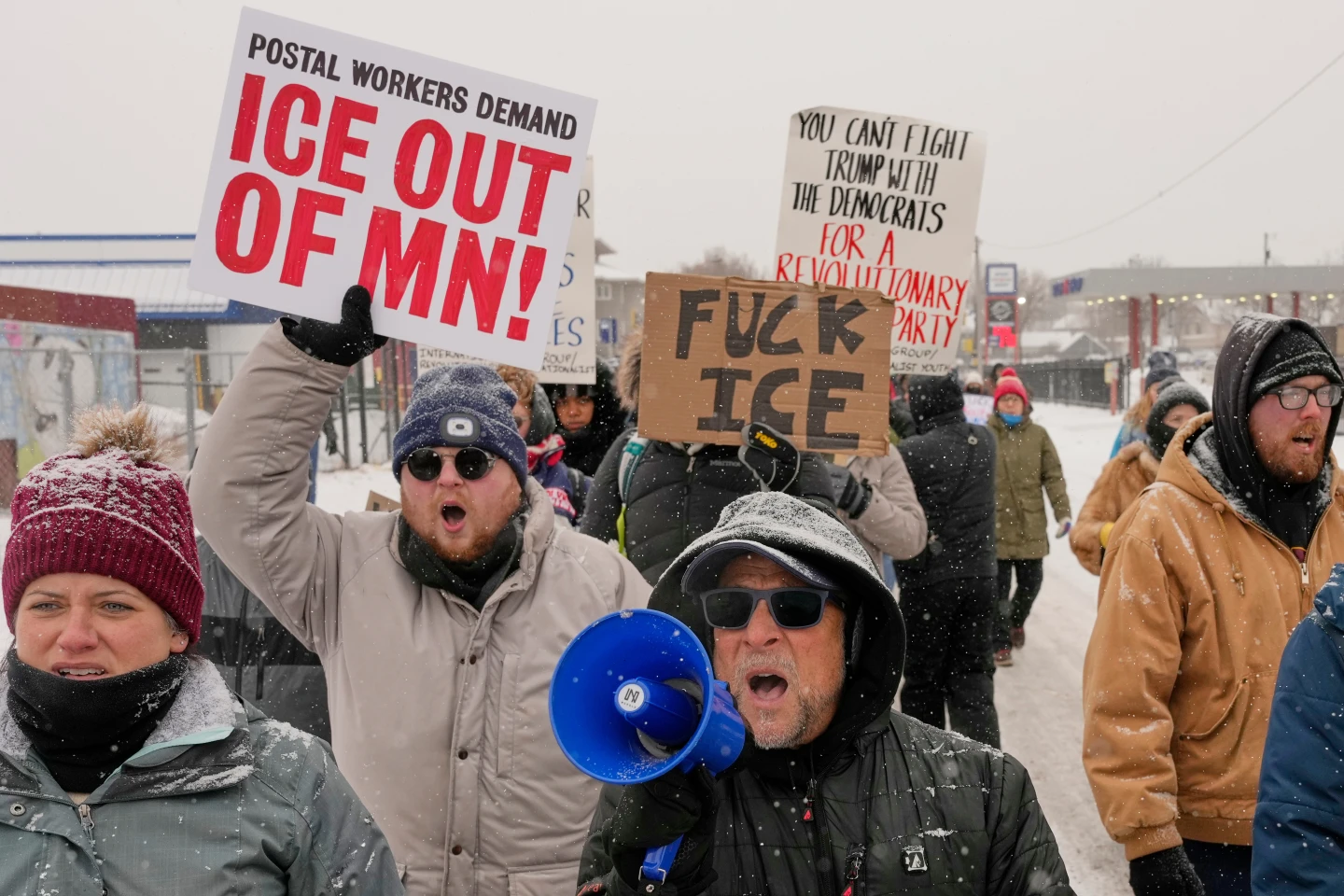
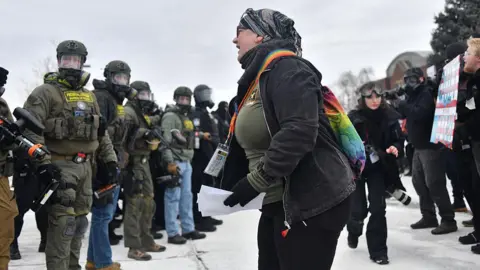
As federal agents executed search warrants, protesters gathered outside the taco shop with signs denouncing the raid. Video footage showed Grijalva confronting agents about the treatment of individuals being detained.
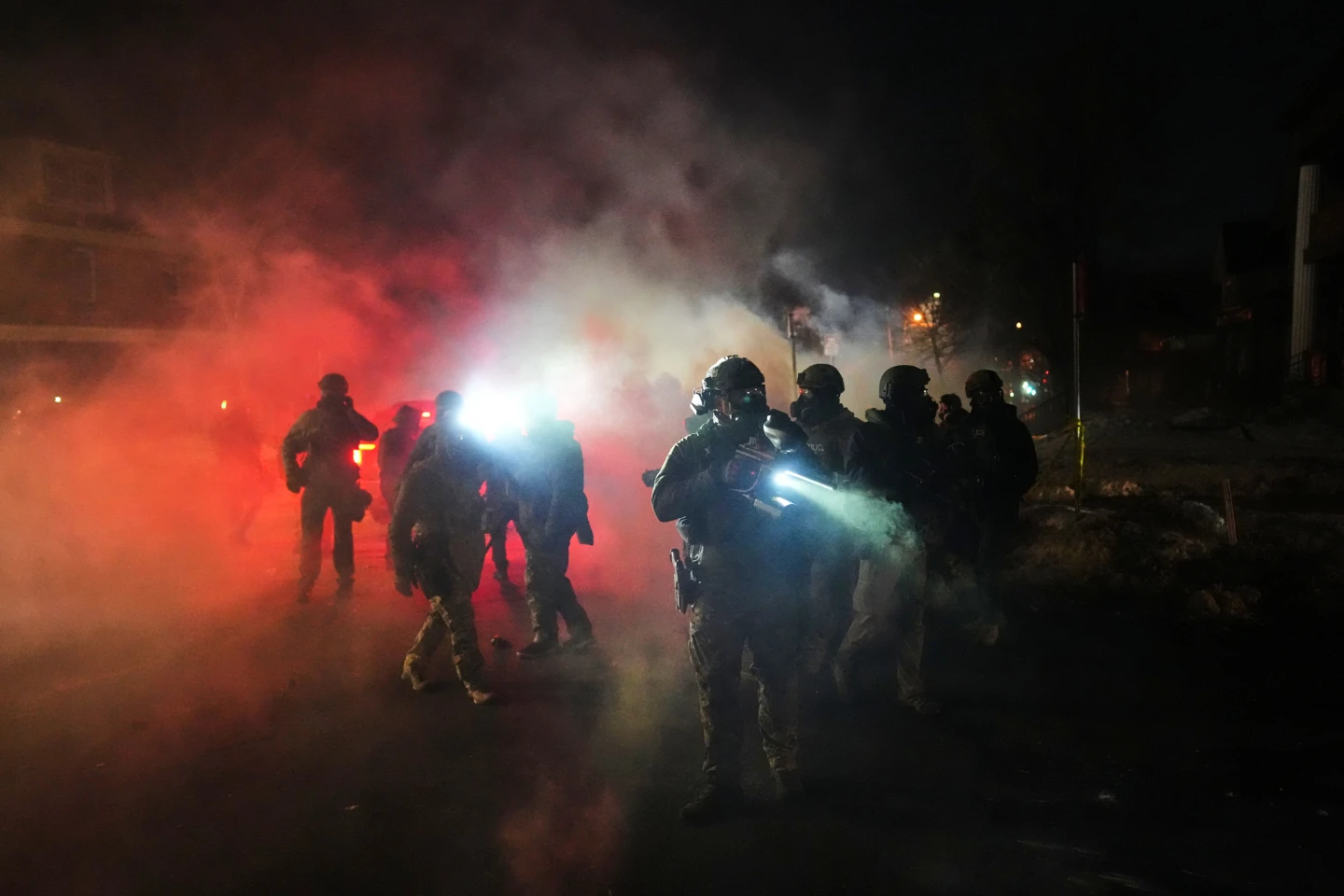
The Tucson police reported that federal tactical agents had to extract investigative special agents from the area due to the situation and requested additional support after chemical munitions were deployed.
Grijalva’s experience adds to a series of incidents this year where Congress members faced conflict with federal law enforcement during immigration operations, signaling rising tensions around enforcement tactics and community impacts.
'While I am fine, if that is the way they treat me, how are they treating other community members who do not have the same privileges and protections that I do?' she stated.
Less than a month ago, Grijalva was sworn in as the newest member of Congress after winning a special election in September to fill her late father's House seat.
In videos posted online, Grijalva detailed the incident, where she, along with two staff members and media personnel, were subjected to harassment by agents during what residents believed to be a federal immigration raid. Protesters expressed fears of individuals being taken without due process.
Grijalva indicated she did not know what substance she was sprayed with, but it was still affecting her with a cough. Federal officials reported that she was not pepper sprayed and that the operation was part of an ongoing investigation into immigration and tax violations across multiple Tucson restaurants.
Department of Homeland Security Assistant Secretary Tricia McLaughlin referred to the group of protesters as a mob, disputing Grijalva’s account and reiterating that she was in the vicinity of someone who was pepper sprayed while obstructing law enforcement.
As federal agents executed search warrants, protesters gathered outside the taco shop with signs denouncing the raid. Video footage showed Grijalva confronting agents about the treatment of individuals being detained.
The Tucson police reported that federal tactical agents had to extract investigative special agents from the area due to the situation and requested additional support after chemical munitions were deployed.
Grijalva’s experience adds to a series of incidents this year where Congress members faced conflict with federal law enforcement during immigration operations, signaling rising tensions around enforcement tactics and community impacts.