In a startling episode unfolding in Minneapolis, a U.S. citizen named Aliya Rahman reported being forcibly removed from her vehicle and detained by immigration officers while heading to a medical appointment. The incident has sparked outrage and garnered millions of views on social media, raising questions about the legality and appropriateness of such actions by federal agents.
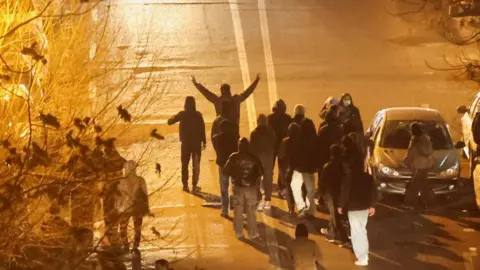
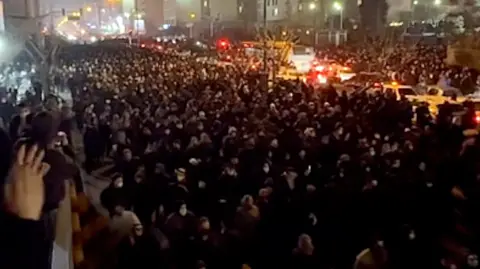
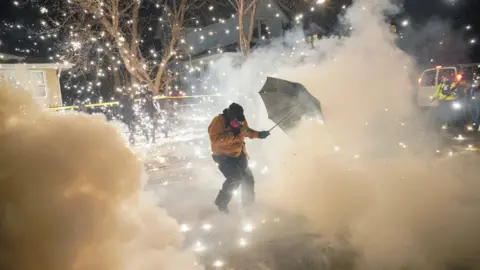
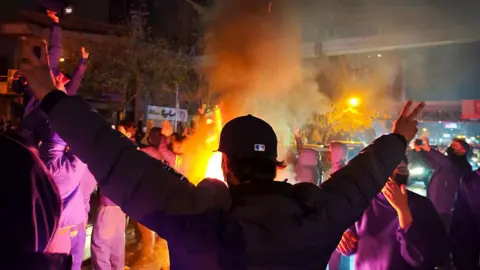
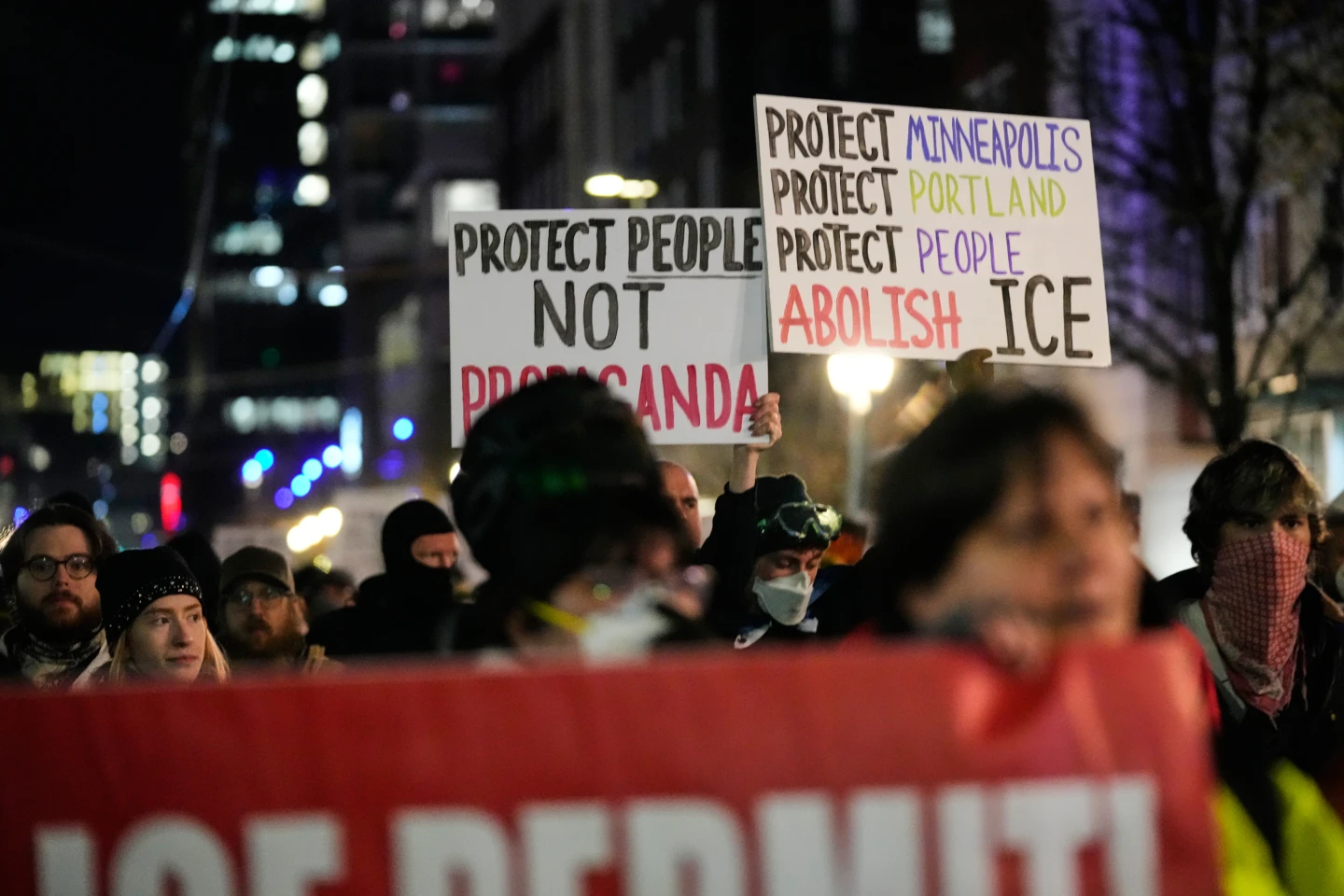
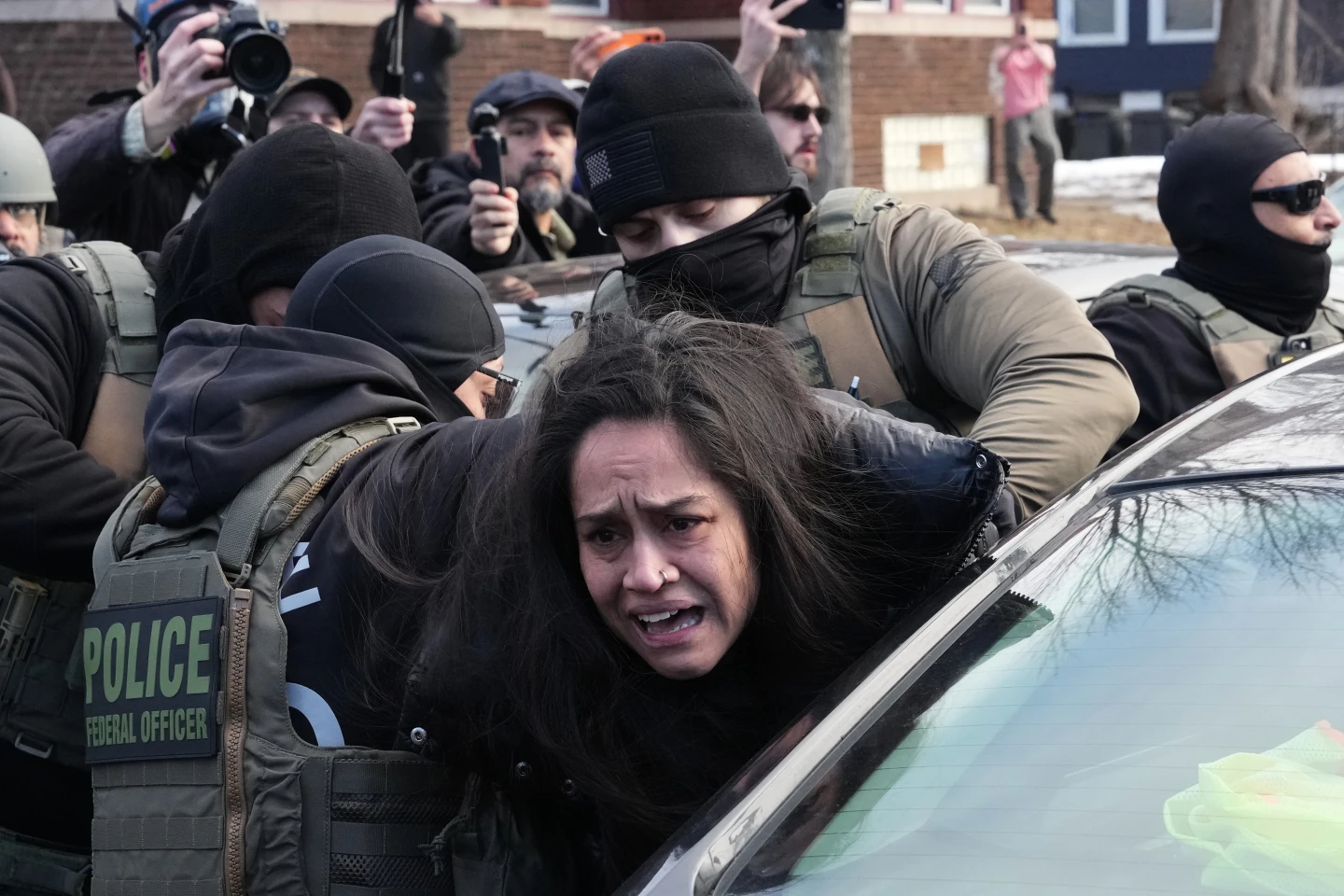
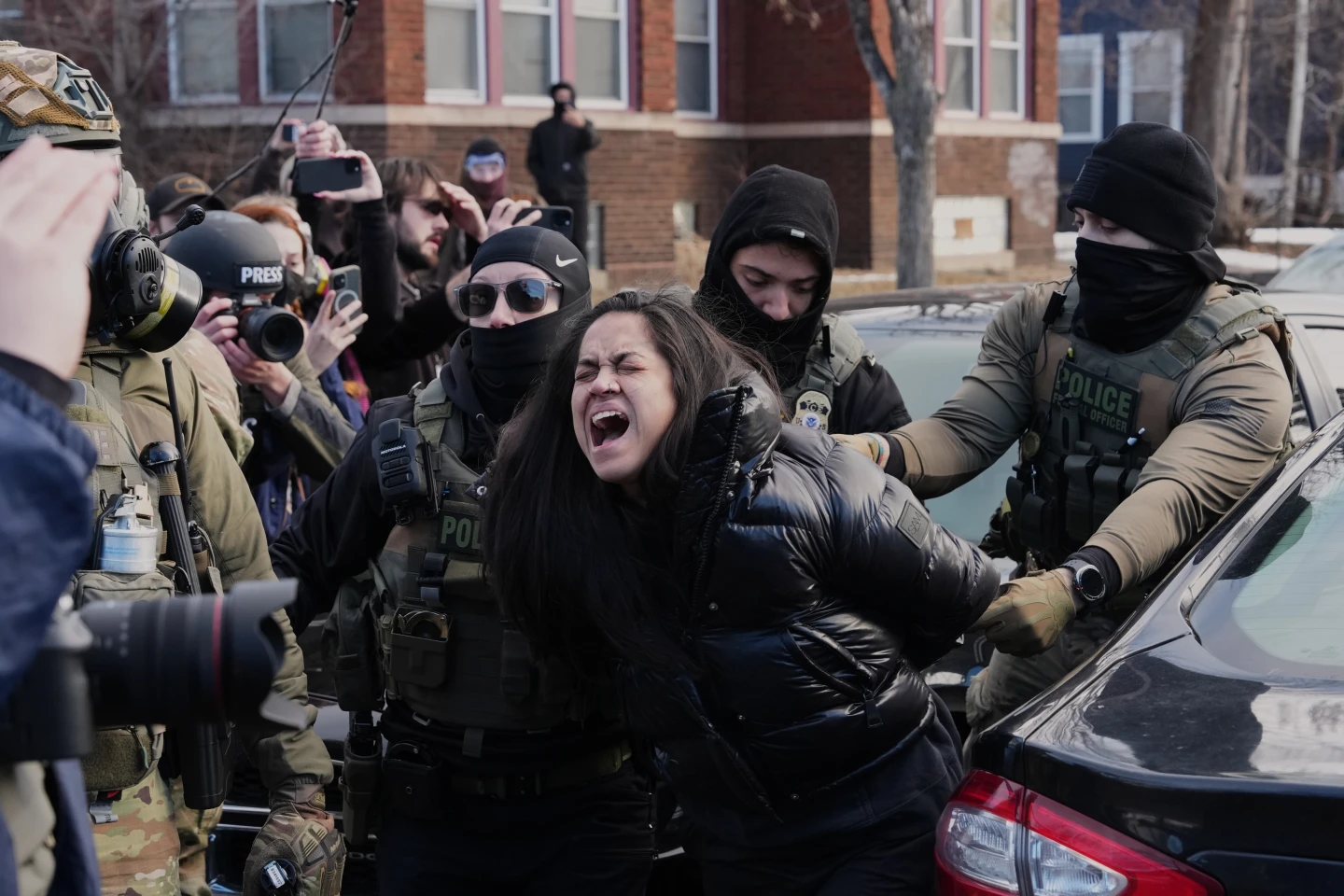
Rahman's experience, shared in a statement on Thursday, described her harrowing encounter with Department of Homeland Security (DHS) officials who allegedly accused her of obstructing their operations. Footage of the incident shows agents breaking her car window and dragging her out, all while a crowd protested the aggressive tactics being employed by ICE agents in the area.
I’m disabled trying to go to the doctor, that’s why I didn’t move, Rahman told officers as they restrained her. However, DHS spokespersons have claimed she was an 'agitator' who ignored multiple instructions to vacate the intersection.
Escalating Concerns Over Immigration Enforcement
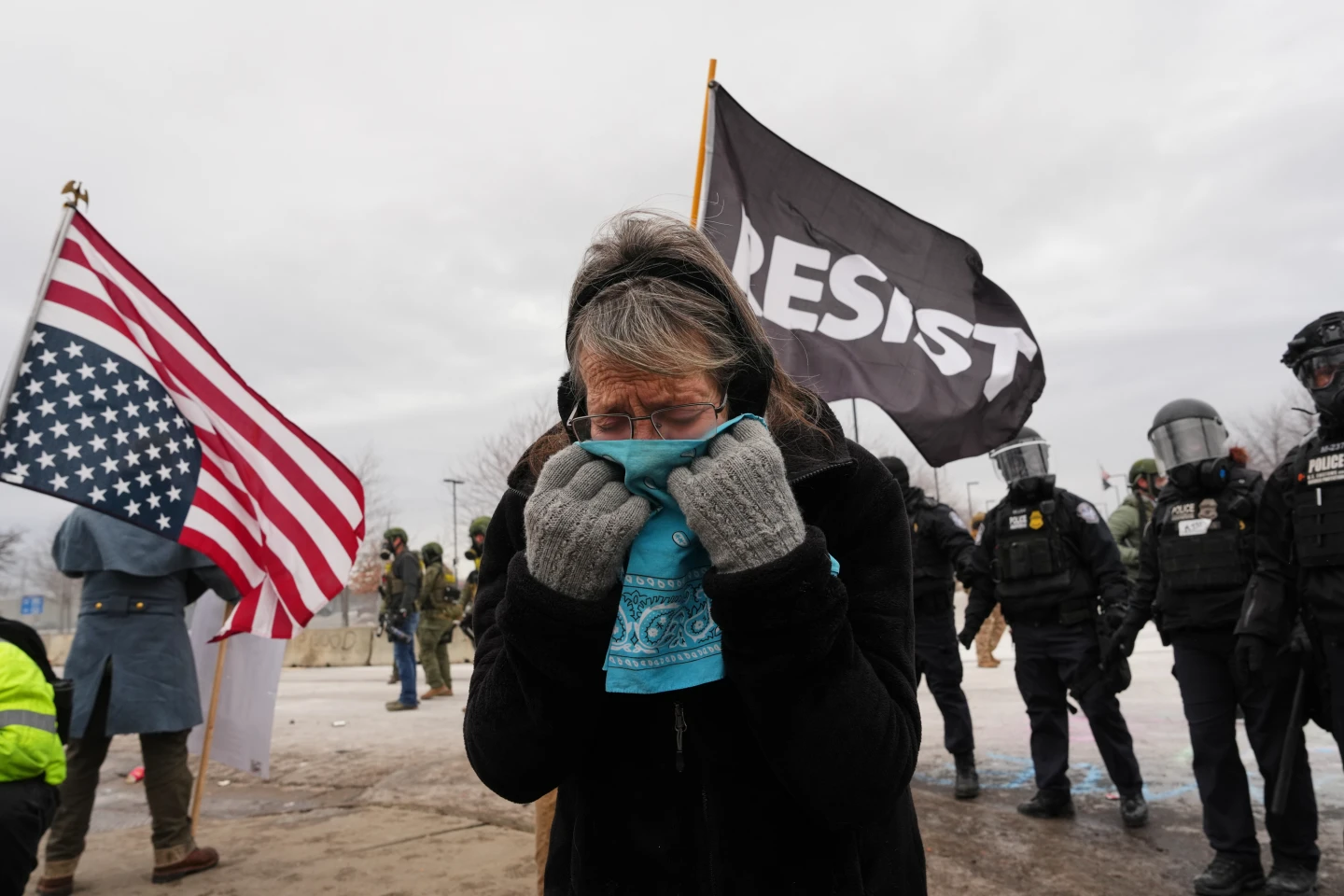
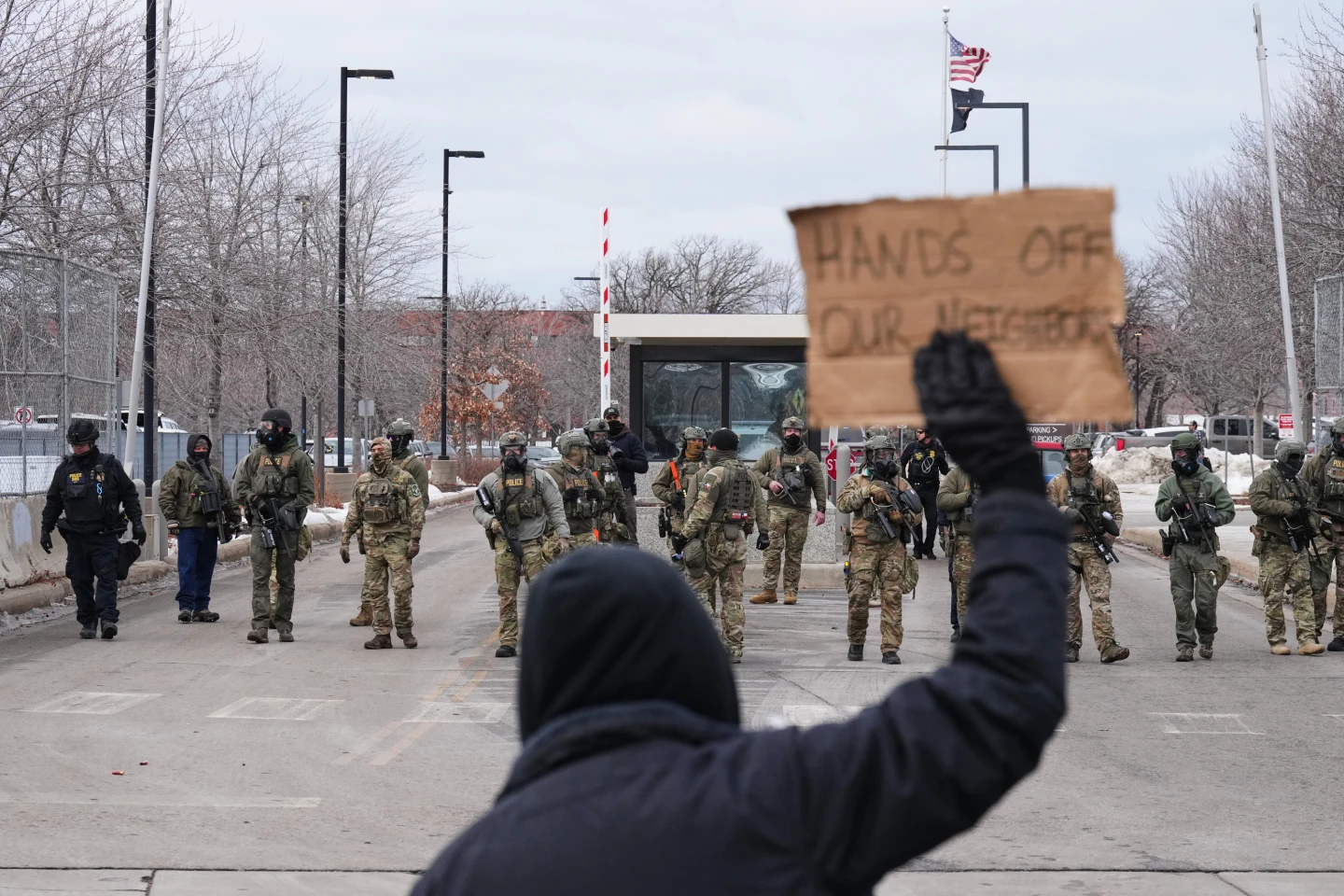
This incident shines a light on a troubling trend of intensifying immigration crackdowns not only in Minneapolis but across several midwestern cities, where reports have emerged of federal agents executing arrests amid growing public protests. Activists and local officials have labeled the situation a 'federal invasion,' amplifying calls for scrutiny of these aggressive enforcement measures.
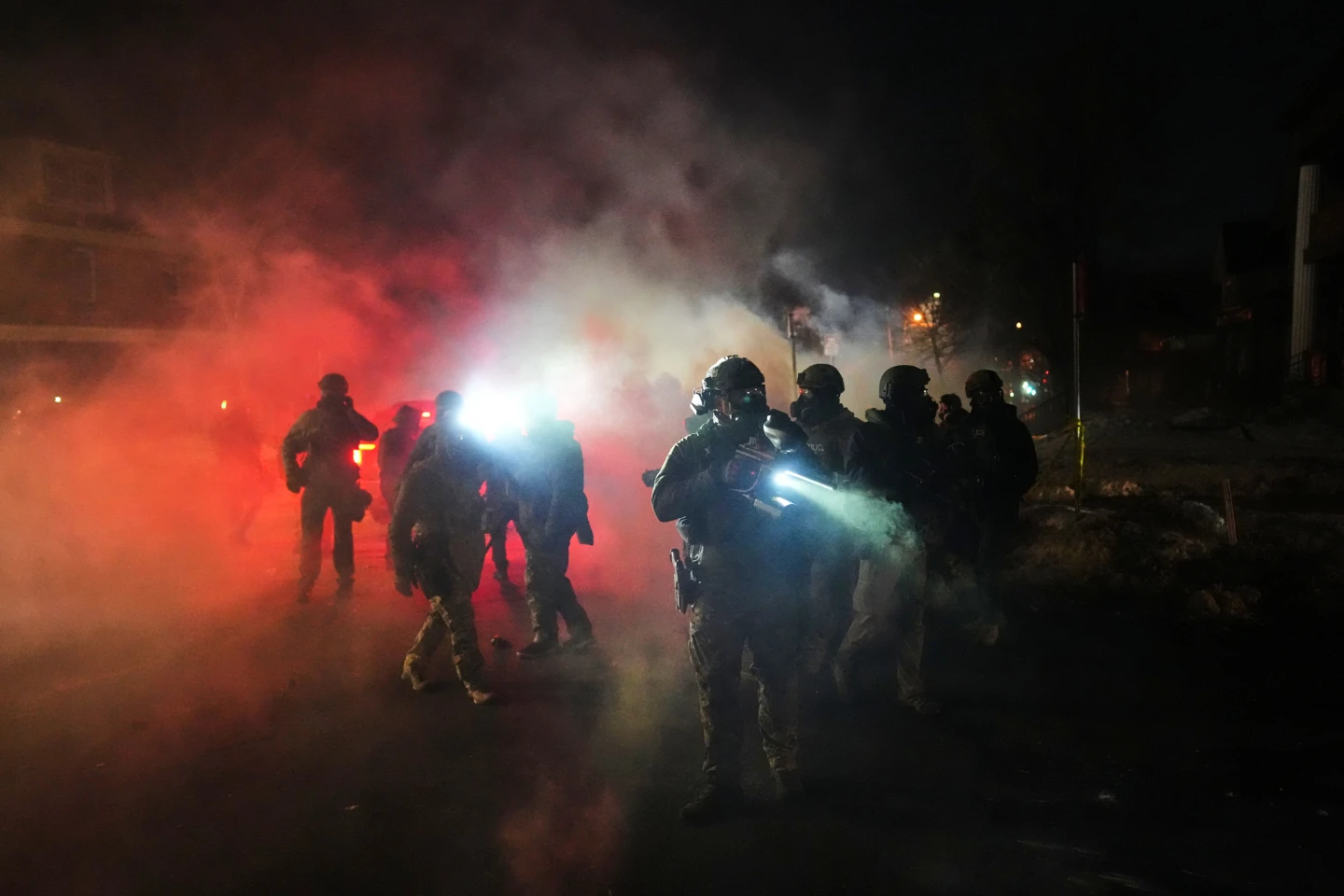
Videos circulating on social media depict a range of confrontations, including armed agents utilizing force against both protesters and individuals suspected of immigration violations. In several instances, citizens have been forcefully detained, heightening the climate of fear among immigrant communities.
In Rahman’s case, after being taken into custody, she reported losing consciousness and subsequently claimed she was denied medical attention until her condition worsened. Once treated, it was confirmed that she had sustained injuries consistent with assault, further polarizing opinions on DHS's handling of the situation.
Commenting on the alarming tactics observed, Monica Bicking, a local nurse and eyewitness, emphasized the change in community vigilance as ordinary citizens now feel compelled to act in defense against perceived injustices against their neighbors.
Rahman’s testimony not only reveals her traumatic ordeal but also reflects the experiences of many caught in the crosshairs of the current immigration policy climate—a climate that many deem to be increasingly hostile.