MINNEAPOLIS, Minn. (AP) — Garrison Gibson, a Liberian man living in Minnesota, is back in custody after being arrested by immigration officials just one day after his release was ordered by a judge who deemed the previous arrest unlawful.
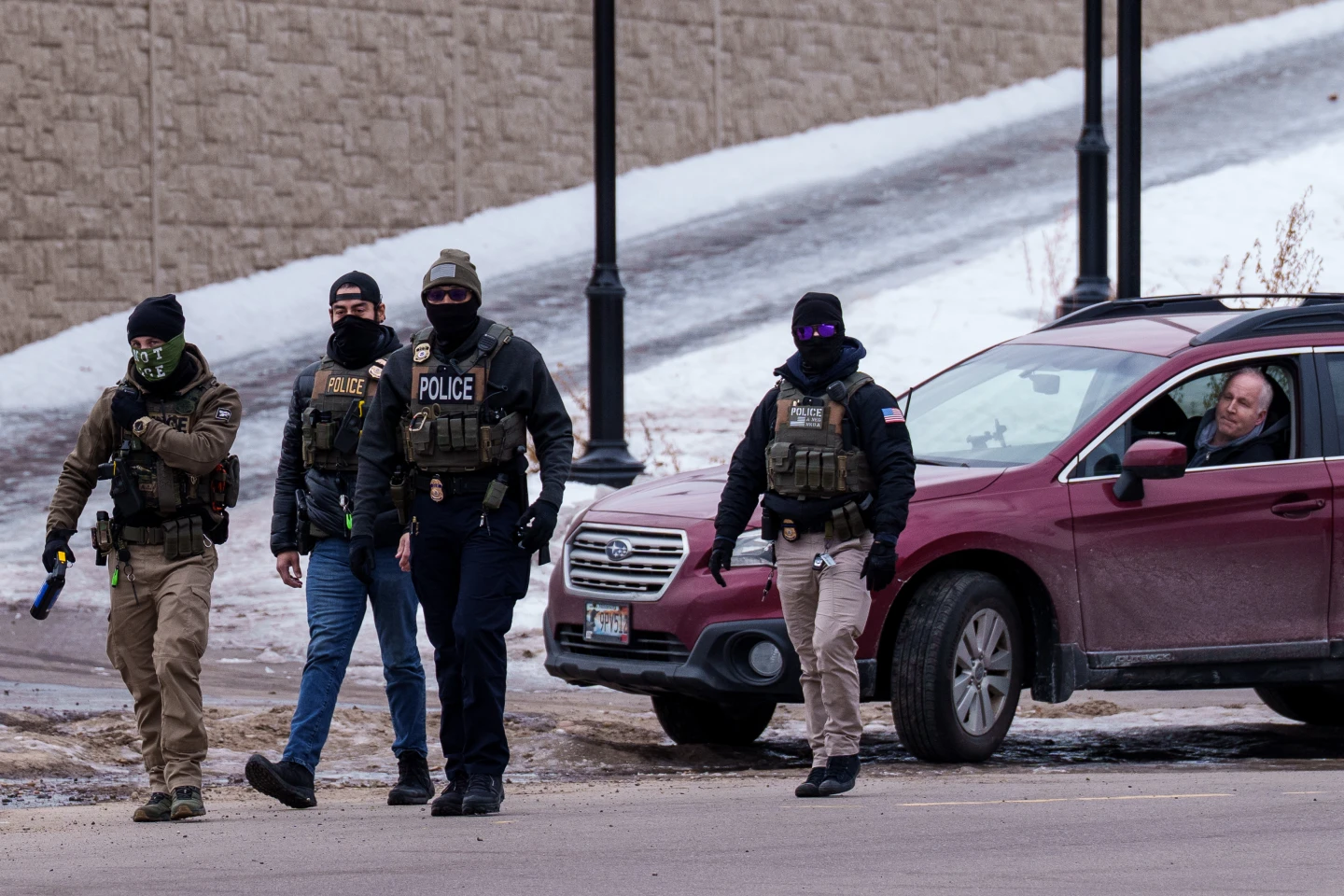
Last weekend, Gibson's dramatic arrest was captured on video, showing armed immigration agents using a battering ram to break down his door. U.S. District Judge Jeffrey Bryan ruled that the initial arrest was carried out without a judicial warrant, violating Gibson's rights. However, his legal troubles continued when he was re-arrested upon checking in at an immigration office, according to attorney Marc Prokosch, who decried the chaotic circumstances surrounding this second detention.
Prokosch explained that the re-arrest was unexpected as the original officer had indicated Gibson’s situation looked favorable. Yet, chaos ensued, leading to multiple officers arriving and taking Gibson back into custody.
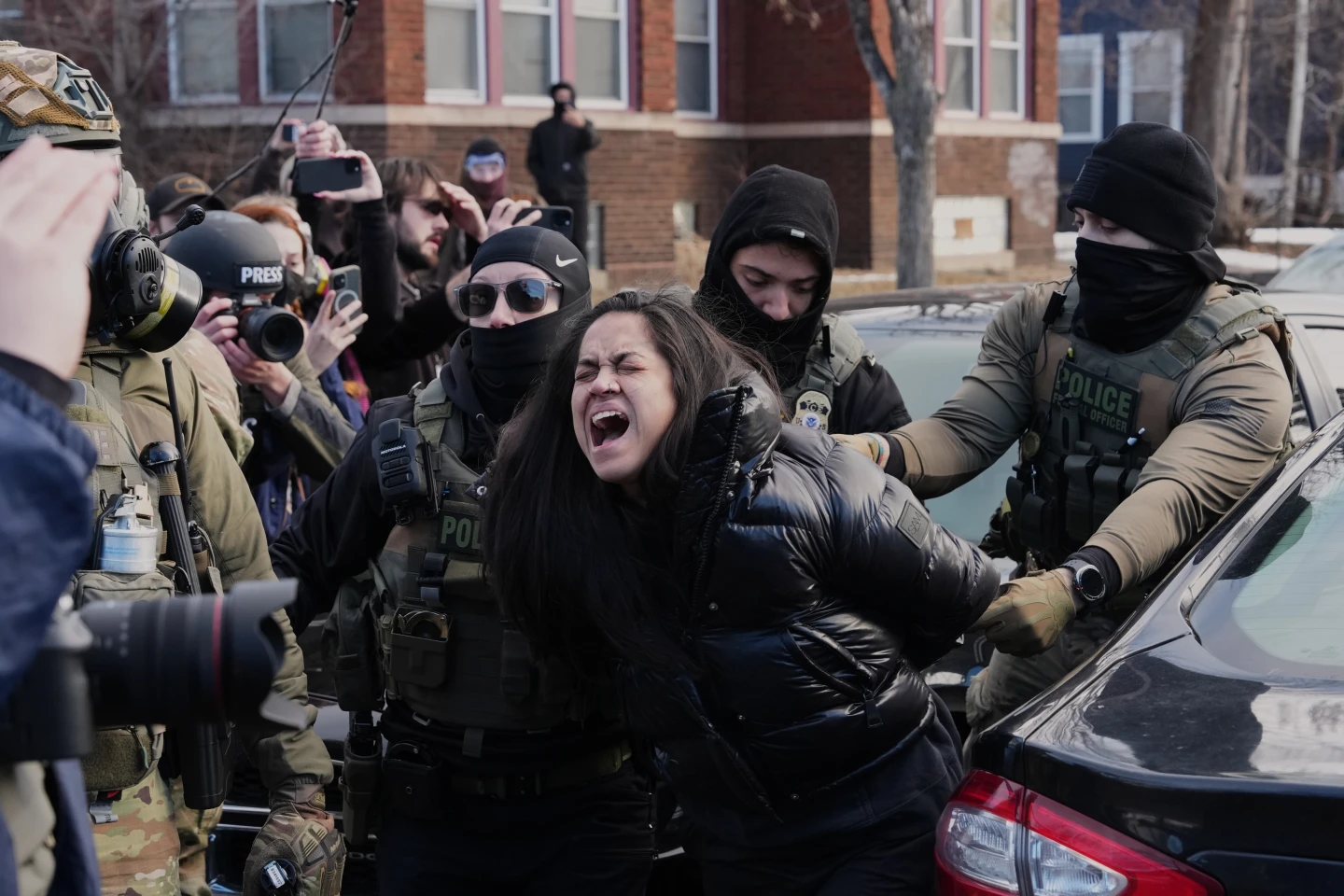
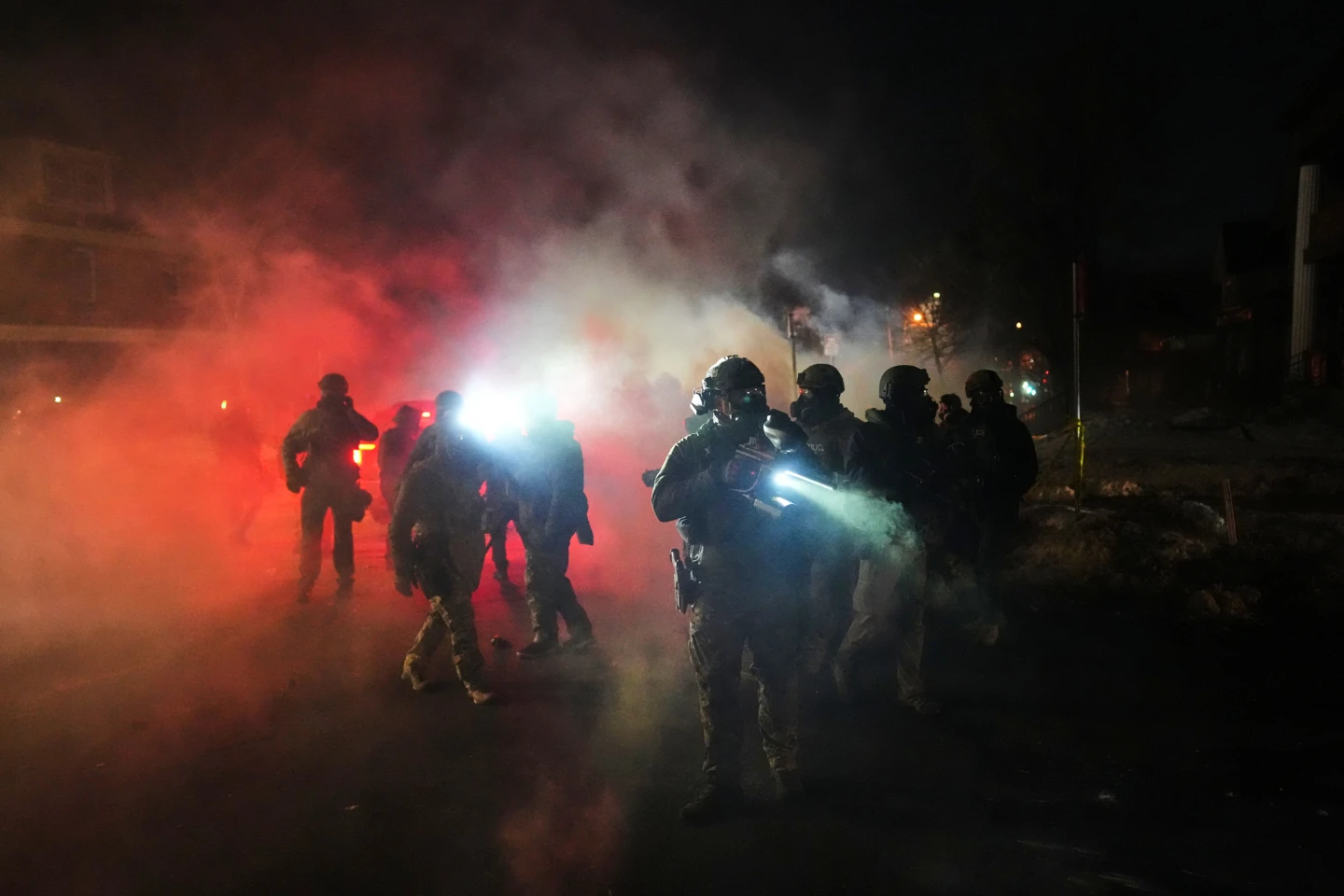
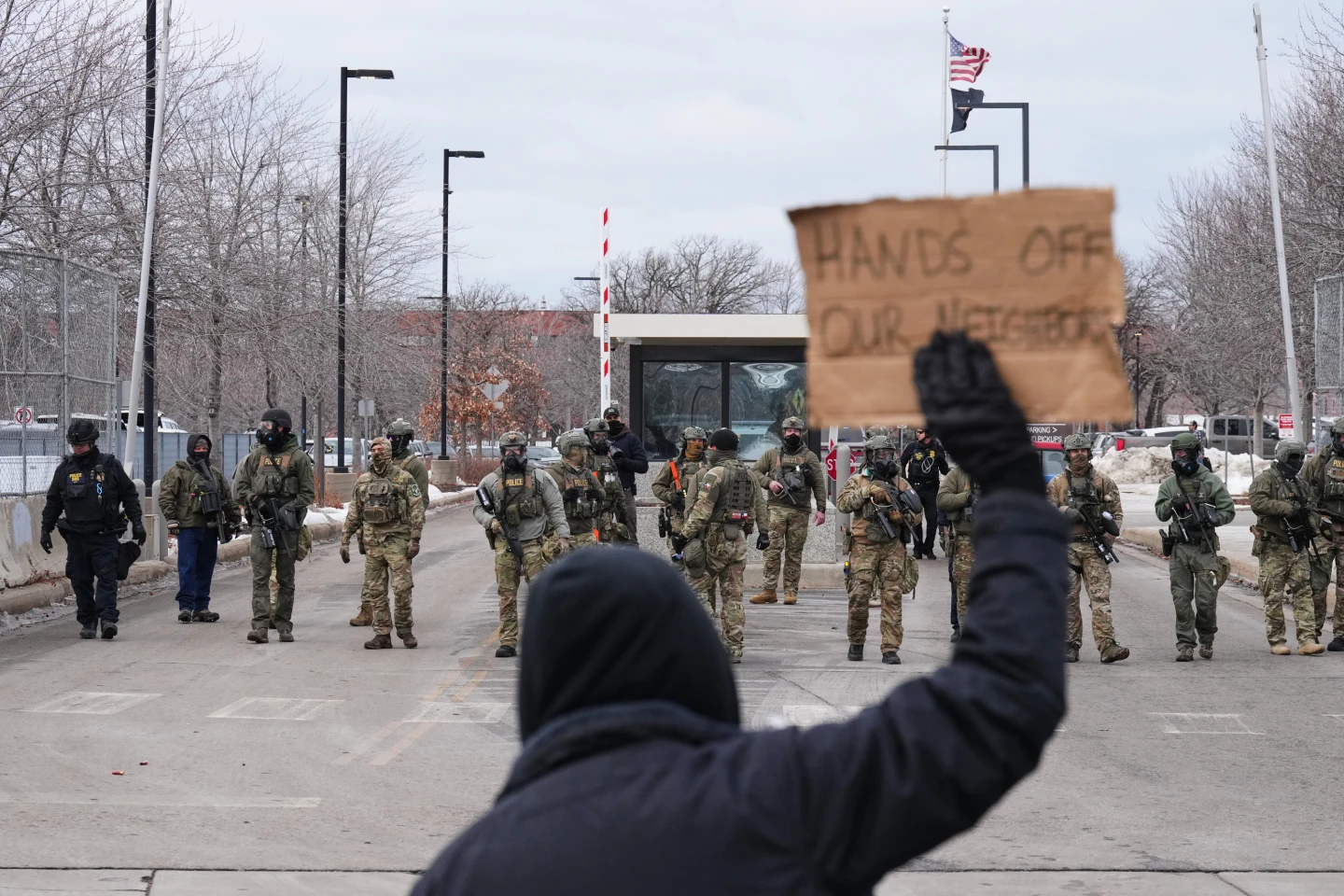
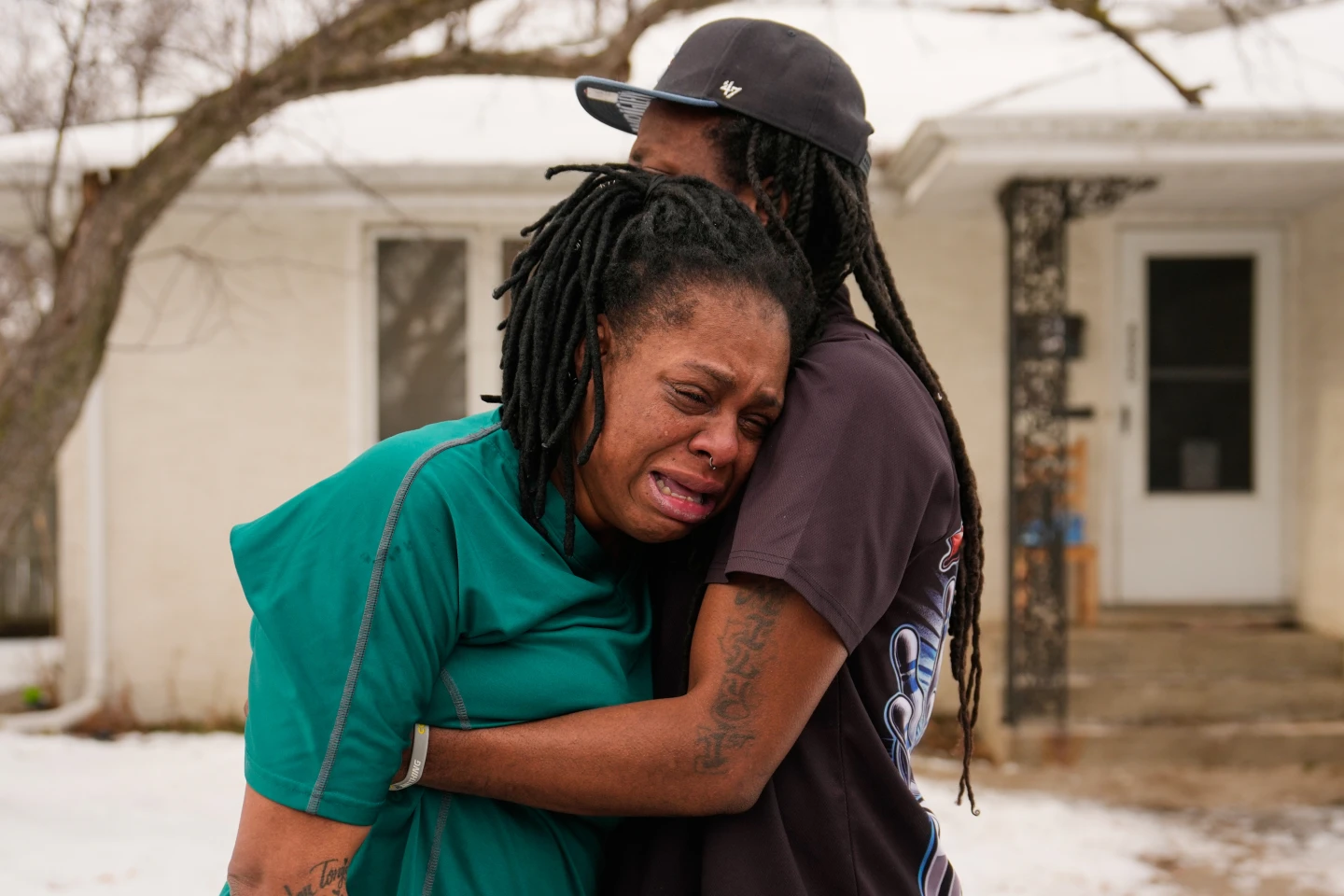
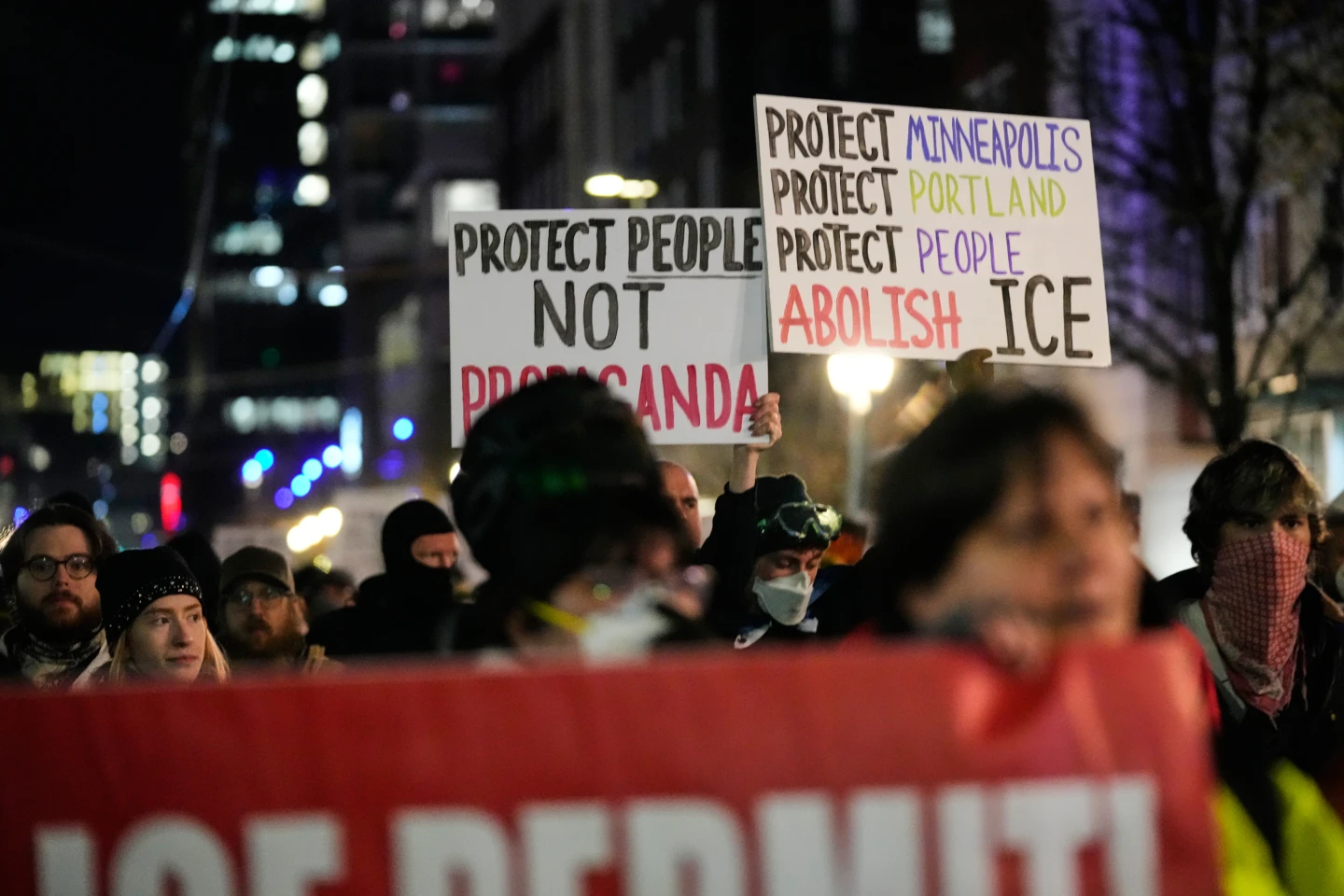
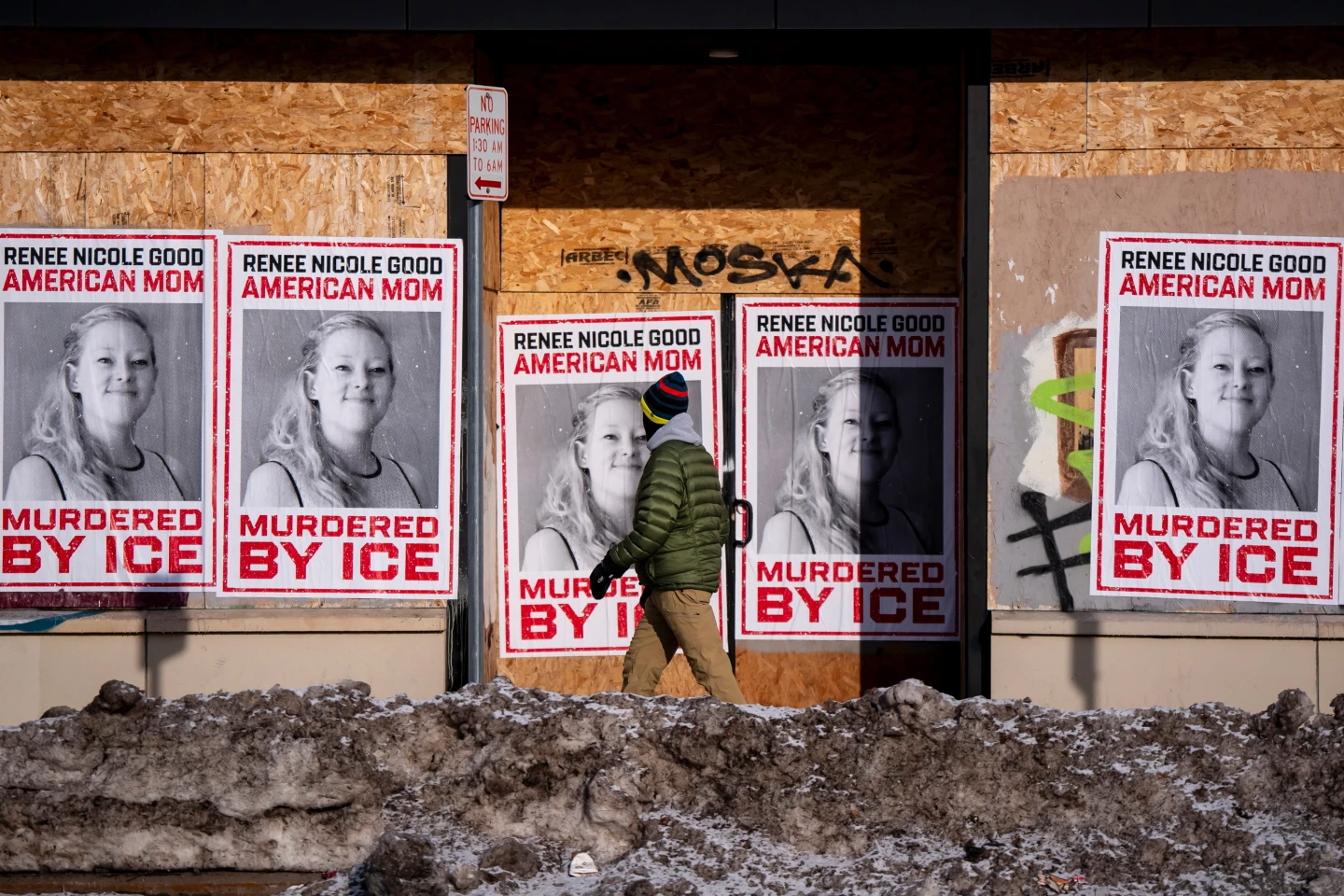
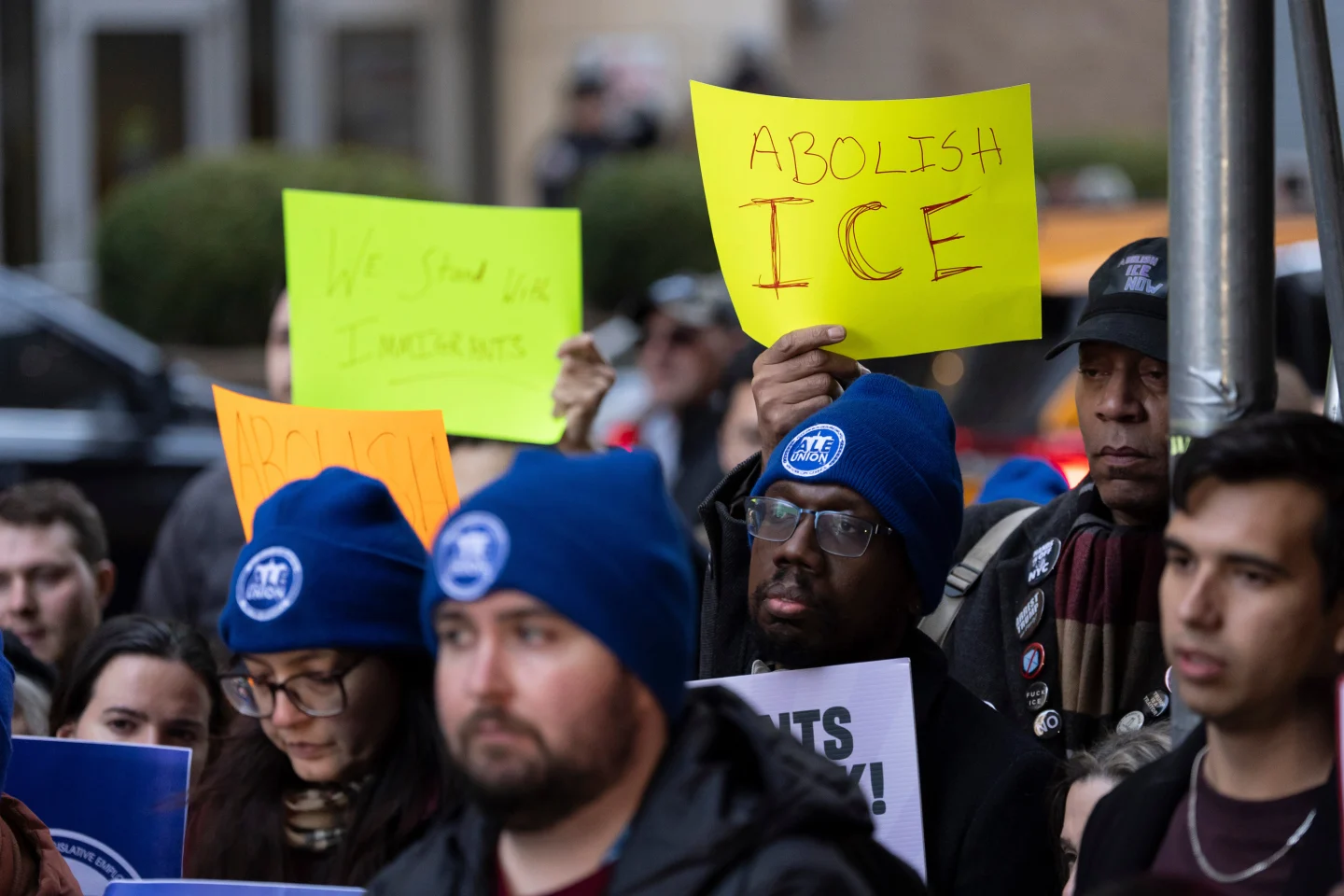
This re-arrest is part of a larger pattern, as more than 2,500 individuals have reportedly been detained during a weeks-long immigration crackdown in Minneapolis and St. Paul initiated by the Department of Homeland Security. This operation has reportedly intensified since the shocking fatal shooting of a local resident earlier this year, which has raised tensions surrounding immigration enforcement.
Gibson, who fled Liberia’s civil war as a child, is facing deportation stemming from a drug conviction from 2008 that has since been dismissed. He had been under an order of supervision that required regular check-ins with immigration authorities.
In response to this situation, tribal leaders and Native American rights organizations are advising individuals with tribal identification to carry their IDs at all times to prevent undue harassment by ICE officials. Reports of Native Americans being stopped or detained by immigration agents have been alarming, prompting community leaders to seek documentation assistance and raise public awareness around these enforcement actions.
As immigration policies continue to evolve, Gibson's case serves as a poignant reminder of the complexities surrounding immigration law and human rights, raising crucial questions about enforcement practices and their implications for local communities.