RALEIGH, N.C. (AP) — North Carolina's photo voter identification law was upheld on Thursday by U.S. District Judge Loretta Biggs, who dismissed claims from civil rights groups regarding the law's discriminatory impact on Black and Latino voters.
The ruling is a significant legal win for Republican legislative leaders who passed the ID requirement in late 2018, following voter approval of a constitutional amendment supporting the initiative.
Senate leader Phil Berger expressed satisfaction with the decision, asserting that it confirms the law's constitutionality. However, opponents argue that it intentionally disenfranchises minority voters. The state NAACP and local chapters previously filed lawsuits arguing that the voter ID requirement is a violation of both the U.S. Constitution and the Voting Rights Act.
Defending the law, Republican attorneys claimed that the voter ID policy is racially neutral and introduces more permissible forms of identification compared to a law struck down in 2013.
Despite the ruling, concerns about the burden of ID acquisition remaining disproportionately high for Black and Hispanic voters persist. State NAACP President Deborah Dicks Maxwell called the decision “deeply disappointing” and emphasized the historical context of racial discrimination affecting voter access.
Judge Biggs acknowledged that while evidence suggests a heavier burden on minority voters, court precedents compel her to reject arguments of discriminatory intent behind the law's enactment. She cited the need for the courts to maintain a presumption that legislative actions are taken in good faith.
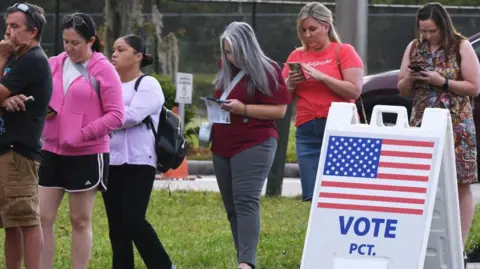
North Carolina continues to offer free voter ID cards, with provisions allowing voters who lack an ID to submit a form to ensure their vote is counted. While the law has faced scrutiny and challenges, the 2018 voter ID law has been in effect since municipal elections in 2023, and its legality remains thoroughly examined amid ongoing legal disputes.