In brief
Following a recent EU summit, leaders have expressed outrage towards Hungarian Prime Minister Viktor Orbán's veto of a €90bn loan to Ukraine, blaming it on a disrupted oil pipeline and calling his actions blackmail. The tension heightens as Orbán seeks electoral support by emphasizing his ties to Russia amidst the conflict in Ukraine.
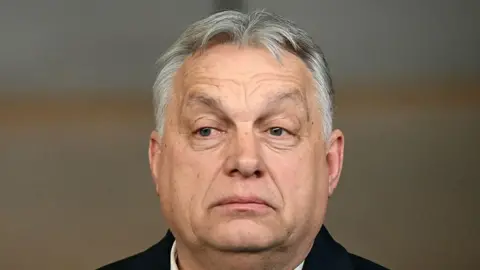
European Union leaders have accused Hungary's Prime Minister Viktor Orbán of disloyalty and blackmail after he blocked a €90bn (£77bn) loan for Ukraine.
No oil = no money, Orbán said in a post on X after Thursday's summit in Brussels during which he refused to lift his veto, citing a feud over a damaged pipeline that transports Russian oil to Hungary.
German Chancellor Friedrich Merz remarked that Orbán's actions amounted to a gross act of disloyalty, while European Council head António Costa described them as tantamount to blackmail.
Orbán has maintained close ties with Russia since its full-scale invasion of Ukraine in 2022, using hostility towards Ukraine as a key campaign issue ahead of the elections on April 12.
Hungary's Prime Minister accused Ukraine of disrupting energy supplies by failing to repair the Druzhba pipeline, which was damaged by Russian airstrikes in January. The Ukrainian government stated that restoring the pipeline would result in lifting sanctions against Moscow.
While the pipeline is inactive, Orbán has withheld EU funds to Ukraine despite earlier approval. This development has drawn ire from multiple EU leaders during the summit, who expressed frustration and disbelief at Orbán's defiance.
The meeting, which extended late into the night, was marked by strong statements from various leaders, with Macron describing outcomes as unprecedented and demanding swift action for Ukraine.
As tensions rise, Orbán remains firm, insisting that Ukraine must cease the oil blockade for Hungary to support financial aid. Meanwhile, Slovakia’s Prime Minister Robert Fico also rejected the summit’s conclusions, solidifying the divide among EU members.
President of the European Commission, Ursula von der Leyen, promised that the funds would be delivered one way or the other. Earlier, Ukrainian President Volodymyr Zelensky had stressed the urgency of releasing the funds for their nation's survival.
Orbán's persistent opposition to EU assistance for Ukraine reflects shifting alliances in the wake of the ongoing conflict and the upcoming elections, where he faces potential electoral challenges.