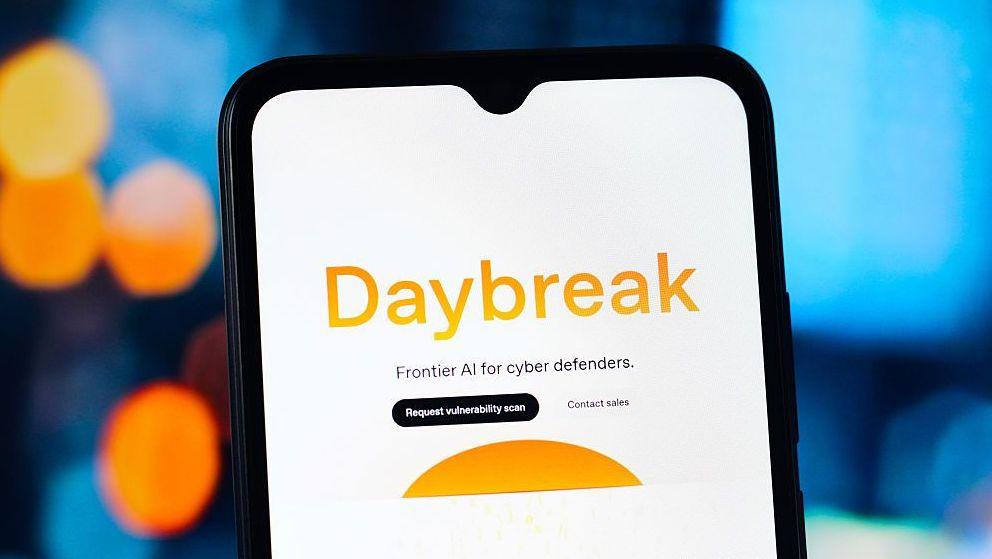
OpenAI has announced that it will provide Ukraine with its AI‑driven cyber‑defence system Daybreak at no charge. The aim is to help the government protect civilian infrastructure—hospitals, power plants and other vital facilities—from ongoing cyber attacks.
Ukraine’s national incident response team, CERT‑UA, said it logged nearly 6,000 cyber incidents in 2025 alone. Daybreak is capable of rapidly pinpointing digital weak points and suggesting fixes, thereby strengthening the country’s defensive posture.
Under the agreement, Ukrainian operators will receive access to OpenAI’s advanced GPT‑5.6 Sol model, a peer competitor to Anthropic’s Mythos and Fable. “Protecting civilian infrastructure means defending it against both physical and digital attacks so people can continue to live, work and access essential services,” explained George Osborne, former UK chancellor and the company’s Head of OpenAI for Countries.
Security analysts said that the partnership could act as a powerful force multiplier for a cyber‑defence system that is already stretched by the volume of Russian activity. Rafe Pilling of Sophos noted that Russian offensive cyber operations have been a key element of the Kremlin’s aggression since 2014.
Jamie MacColl from the Royal United Services Institute highlighted that Western tech firms have supported Ukraine partly for altruistic reasons and partly because conflicts generate valuable intelligence for their own companies. He added that OpenAI’s offering would bolster Ukraine’s defensive capabilities and complement existing AI tools from competitors like Google.
The move comes as AI’s frontier models blur the line between defence and attack. While Anthropic restricts its models to prevent misuse, OpenAI has already made some of its most powerful cyber models available to European firms and UK banks.
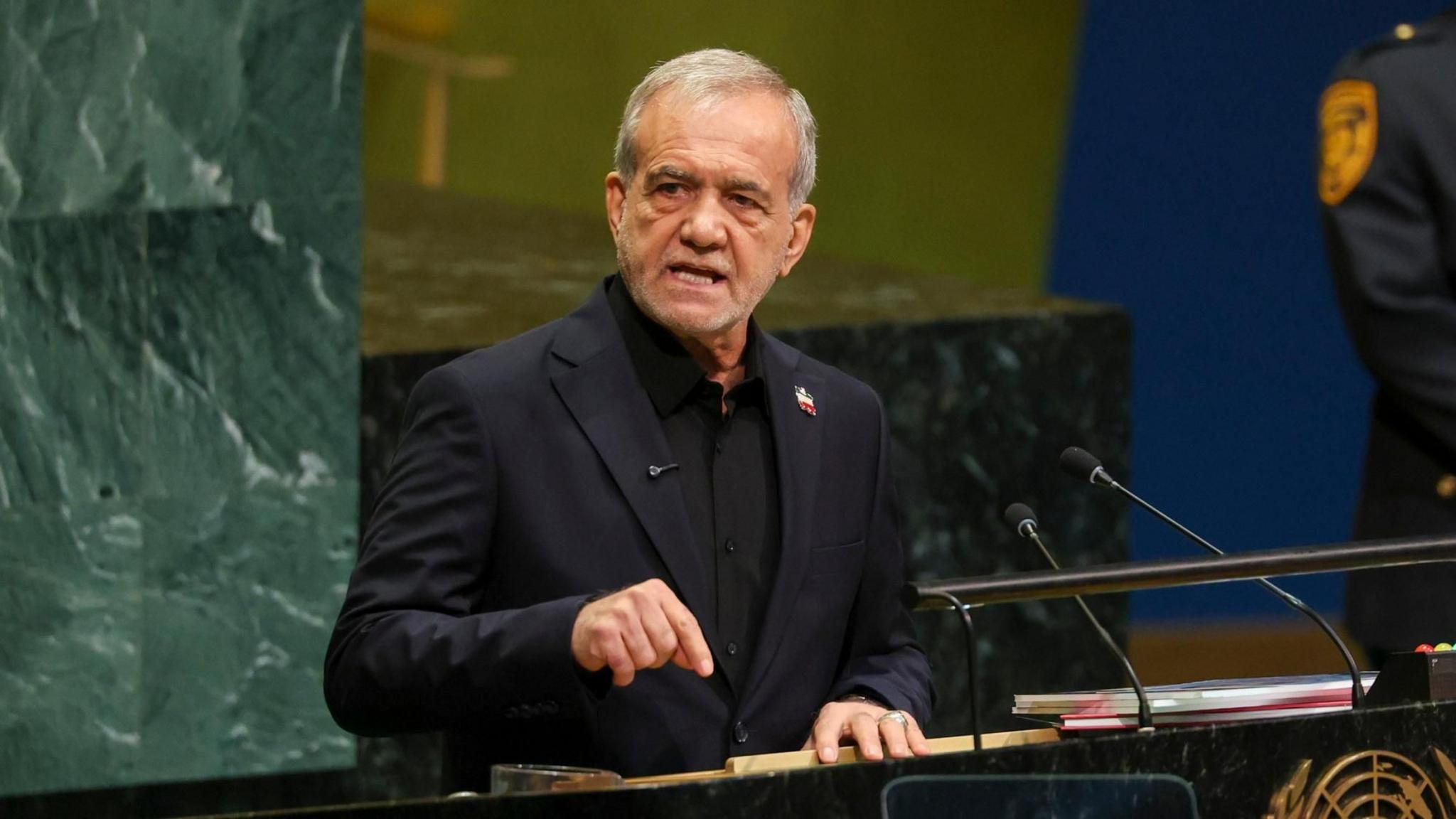
OpenAI’s announcement coincided with the UN General Assembly, where leaders are grappling with the regulation of AI technologies amid rising geopolitical tensions.