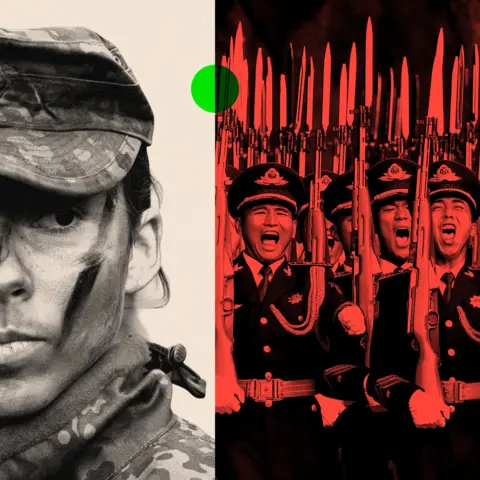
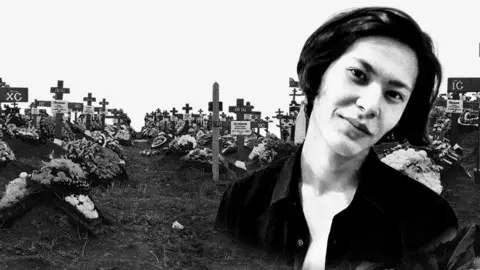
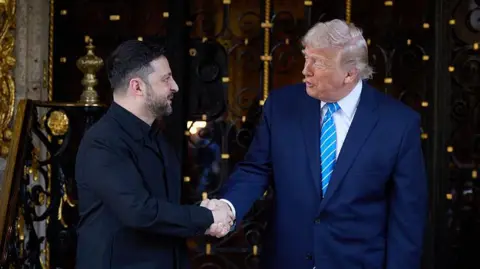
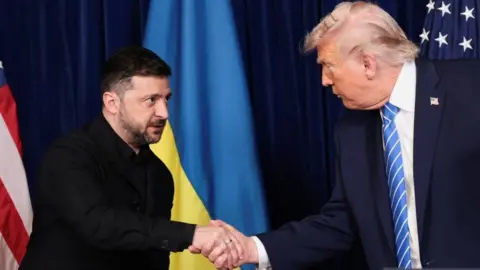
Over the past 10 months, Russian losses in the war with Ukraine have been growing faster than any time since the start of the full-scale invasion in 2022, BBC analysis suggests. As peace efforts intensified in 2025 under pressure from US President Donald Trump's administration, 40% more obituaries of soldiers were published in Russian sources compared with the previous year. Overall, the BBC has confirmed the names of almost 160,000 people killed fighting on Russia's side in Ukraine.
BBC News Russian has been counting Russian war losses together with independent outlet Mediazona and a group of volunteers since February 2022. We keep a list of named individuals whose deaths we were able to confirm using official reports, newspapers, social media, and new memorials and graves. The real death toll is believed to be much higher, and military experts we have consulted believe our analysis of cemeteries, war memorials and obituaries might represent 45-65% of the total. That would put the number of Russian deaths at between 243,000 and 352,000.
The number of obituaries for any given period is a preliminary estimate of the confirmed losses, as some need additional verification and will eventually be discarded. But it can indicate how the intensity of fighting is changing over time.
2025 starts with a relatively low number of published obituaries in January, compared with the previous months. Then the number rises in February, when Trump and Russian President Vladimir Putin talked directly for the first time about ending the war in Ukraine. The next peak in August coincides with the two presidents meeting each other in Alaska, a diplomatic coup for Putin that was widely seen as an end to his international isolation.
The increase in Russian losses is attributed in part to the strategic moves by the Kremlin to gain territory and strengthen its negotiating position with the U.S. However, recruitment remains robust, with local governments incentivizing enlistment through financial promises. Many new recruits are young individuals with limited military experience, reflecting a shift in the composition of the Russian forces fighting in Ukraine.
As the conflict continues, the complexities surrounding recruitment, casualties, and diplomatic negotiations paint a grim picture for the future of the war.
BBC News Russian has been counting Russian war losses together with independent outlet Mediazona and a group of volunteers since February 2022. We keep a list of named individuals whose deaths we were able to confirm using official reports, newspapers, social media, and new memorials and graves. The real death toll is believed to be much higher, and military experts we have consulted believe our analysis of cemeteries, war memorials and obituaries might represent 45-65% of the total. That would put the number of Russian deaths at between 243,000 and 352,000.
The number of obituaries for any given period is a preliminary estimate of the confirmed losses, as some need additional verification and will eventually be discarded. But it can indicate how the intensity of fighting is changing over time.
2025 starts with a relatively low number of published obituaries in January, compared with the previous months. Then the number rises in February, when Trump and Russian President Vladimir Putin talked directly for the first time about ending the war in Ukraine. The next peak in August coincides with the two presidents meeting each other in Alaska, a diplomatic coup for Putin that was widely seen as an end to his international isolation.
The increase in Russian losses is attributed in part to the strategic moves by the Kremlin to gain territory and strengthen its negotiating position with the U.S. However, recruitment remains robust, with local governments incentivizing enlistment through financial promises. Many new recruits are young individuals with limited military experience, reflecting a shift in the composition of the Russian forces fighting in Ukraine.
As the conflict continues, the complexities surrounding recruitment, casualties, and diplomatic negotiations paint a grim picture for the future of the war.