Sensitive content: This article contains a graphic description of death that some readers may find upsetting
I've reported on more than 40 wars around the world during my career, which goes back to the 1960s. I watched the Cold War reach its height, then simply evaporate. But I've never seen a year quite as worrying as 2025 has been - not just because several major conflicts are raging but because it is becoming clear that one of them has geopolitical implications of unparalleled importance.
Ukraine's President Volodymyr Zelensky has warned that the current conflict in his country could escalate into a world war. After nearly 60 years of observing conflict, I've got a nasty feeling he's right.
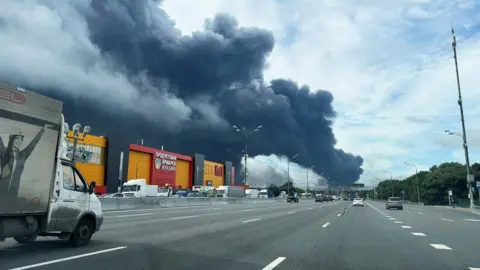
Nato governments are on high alert for any signs that Russia is cutting the undersea cables that carry the electronic traffic that keeps Western society going. Their drones are accused of testing the defences of Nato countries. Their hackers develop ways of putting ministries, emergency services and huge corporations out of operation.
Authorities in the west are certain Russia's secret services murder and attempt to murder dissidents who have taken refuge in the West. An inquiry into the attempted murder in Salisbury of the former Russian intelligence agent Sergei Skripal in 2018 (plus the actual fatal poisoning of a local woman, Dawn Sturgess) concluded that the attack had been agreed at the highest level in Russia.
That means President Putin himself.
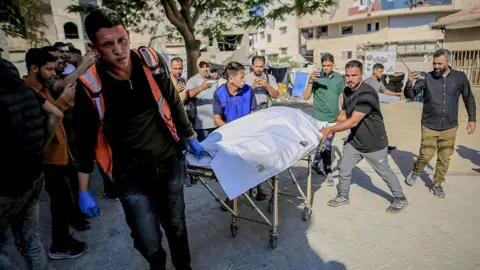
2025 has been marked by three very different wars. There is Ukraine, of course, where the UN says 14,000 civilians have died. In Gaza, where Israeli Prime Minister Benjamin Netanyahu promised 'mighty vengeance' after Hamas's attacks on October 7 and thousands of casualties continue to rise, and Sudan's brutal ongoing civil war resulting in over 150,000 deaths.
This complex geopolitical landscape leaves many questions about the actions of the U.S. in the face of growing isolationism, as President Trump appears to re-evaluate America's global commitments, leaving Europe vulnerable.
With powers like Russia seeking greater regional dominance and China eyeing Taiwan, the prospect of a turbulent next year looms, prompting a discussion about the likelihood of peace and the consequences of past and current military actions.
Analysis suggests that significant changes could occur, with a potential peace deal for Ukraine that may not satisfy the Western aspirations for stability and security, as rising tensions continue to challenge traditional alliances.