In brief
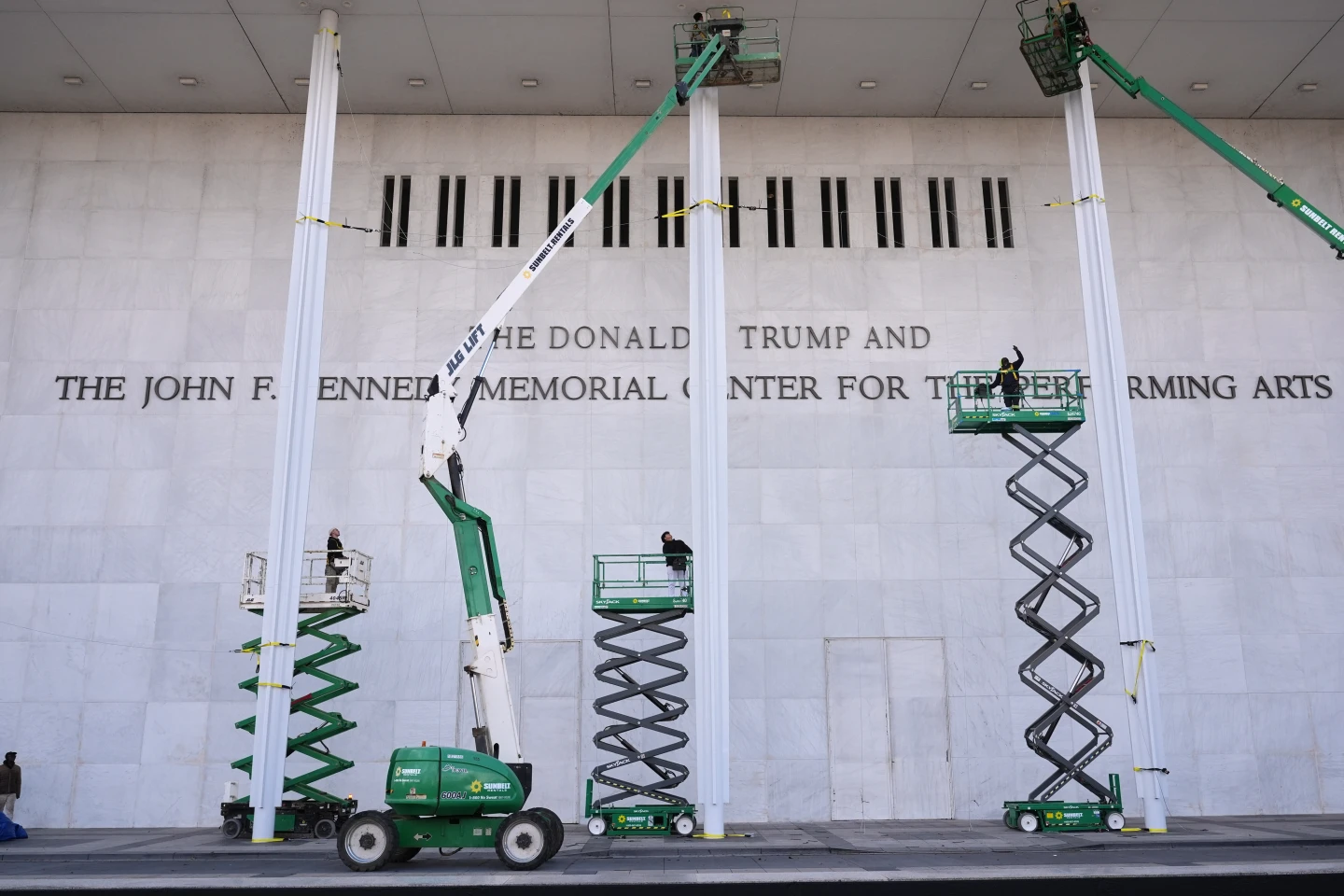
Following President Trump's controversial renaming of the Kennedy Center, several artists, including jazz group The Cookers, have canceled their performances. These cancellations reflect ongoing tensions between artistic expression and political views, with some artists expressing their disdain for the venue's new branding. While the Kennedy Center's leadership acknowledges the artists' decisions, they argue that the changes do not resonate with all performers. The situation highlights a significant division in the artistic community regarding the intersection of art and politics.
More artists have canceled scheduled performances at the Kennedy Center following the addition of President Donald Trump's name to the facility, with jazz supergroup The Cookers pulling out of a planned New Year’s Eve concert. The institution’s president stated that these cancellations reflect artists’ unwillingness to see their music as a bridge across political divides.
The latest cancellations follow an earlier backlash in the spring, when Trump replaced the Kennedy Center board and appointed himself as the institution’s chairman. Notable artists, including Issa Rae and the producers of “Hamilton,” also withdrew from engagements, while musicians Ben Folds and Renee Fleming resigned from advisory roles.
The Cookers, a jazz supergroup that has performed for nearly two decades, made their decision public on their website, indicating that the “decision has come together very quickly” and acknowledging the disappointment of fans anticipating the concert.
Although the group did not directly mention the building’s renaming or the Trump administration in their statement, they emphasized their commitment to ensuring that their performances focus on celebrating music that unites rather than divides.
One of The Cookers' members, saxophonist Billy Harper, commented on the Jazz Stage Facebook page, expressing that he would never perform in a venue associated with what he described as “overt racism” associated with the current board’s decisions and the culture surrounding the Trump administration.
Richard Grenell, an ally of Trump and the newly appointed head of the Kennedy Center, suggested on social media that the rejections demonstrate a rejection to perform for everyone's diverse views. He claimed inquiries have flooded in from artists eager to engage with the Kennedy Center anew.
However, not all artists agree with the cancellations. Banjoist Randy Barrett expressed that the division evident in the artistic community is disheartening, advocating for more art and music to foster unity rather than less.
President John F. Kennedy was assassinated in 1963, leading Congress to name the center as a living memorial in his honor. Detractors argue that any changes to its name require congressional approval, as the law explicitly prohibits altering the center's memorial status.