As the 2026 elections approach, historical trends suggest Republicans may be poised to lose their grip on the House of Representatives. With a slim majority, party incumbents traditionally face losses in midterm elections.
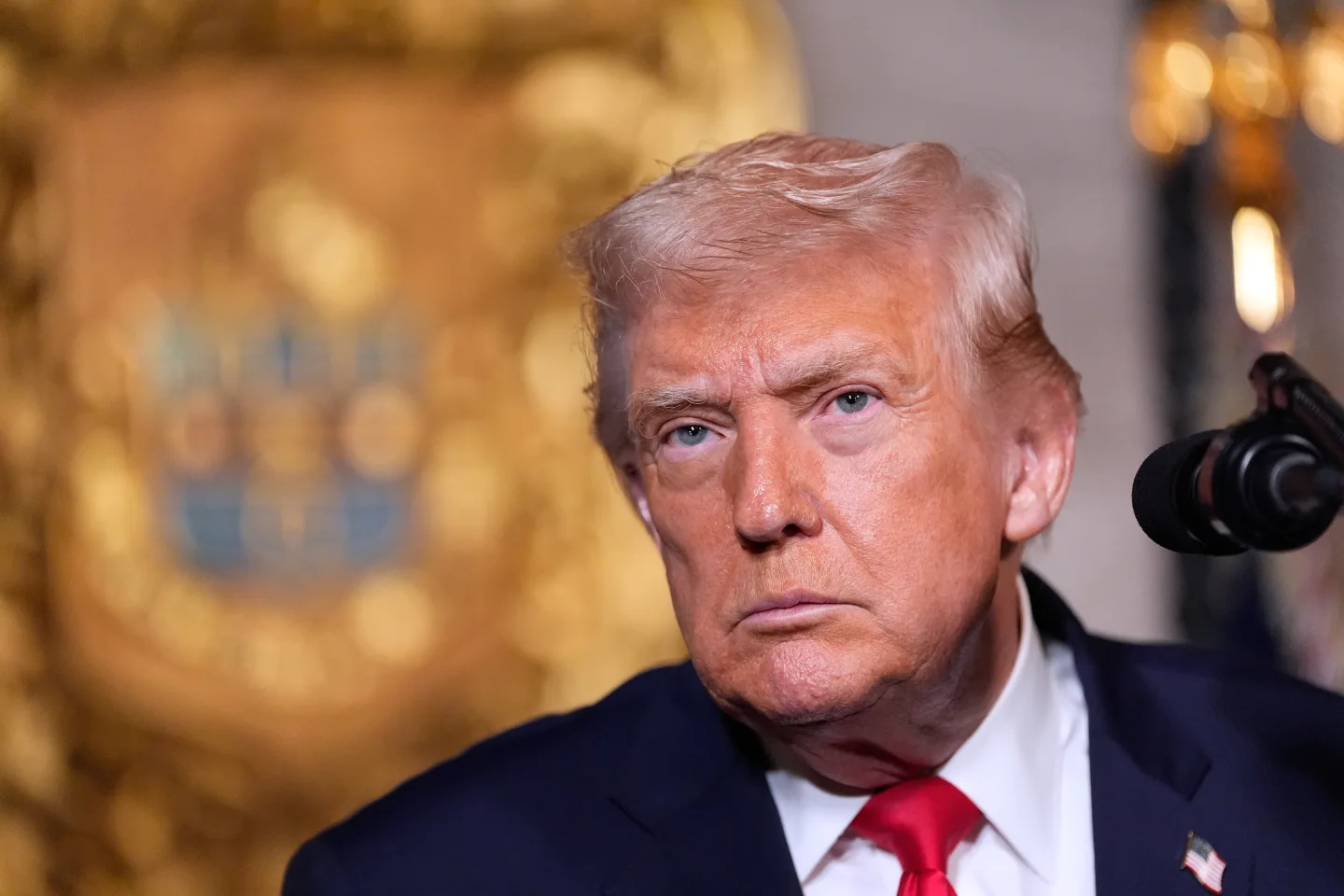
President Donald Trump, keen to defy the historical narrative that led to two impeachments during his tenure, is reportedly implementing strategies that his opponents argue could manipulate voter turnout and influence election outcomes. Trump is rallying the Republican Party to remake congressional maps across the nation, aiming to increase the number of conservative-leaning seats. However, this might backfire, leading to more significant challenges ahead.
Democrats have raised alarms about Trump's recent directives, which include targeting Democratic politicians and activists, expressing concerns that he may intervene more aggressively than previous administrations. This includes speculation about military presence in Democratic areas and aggressive operations by the Department of Homeland Security.
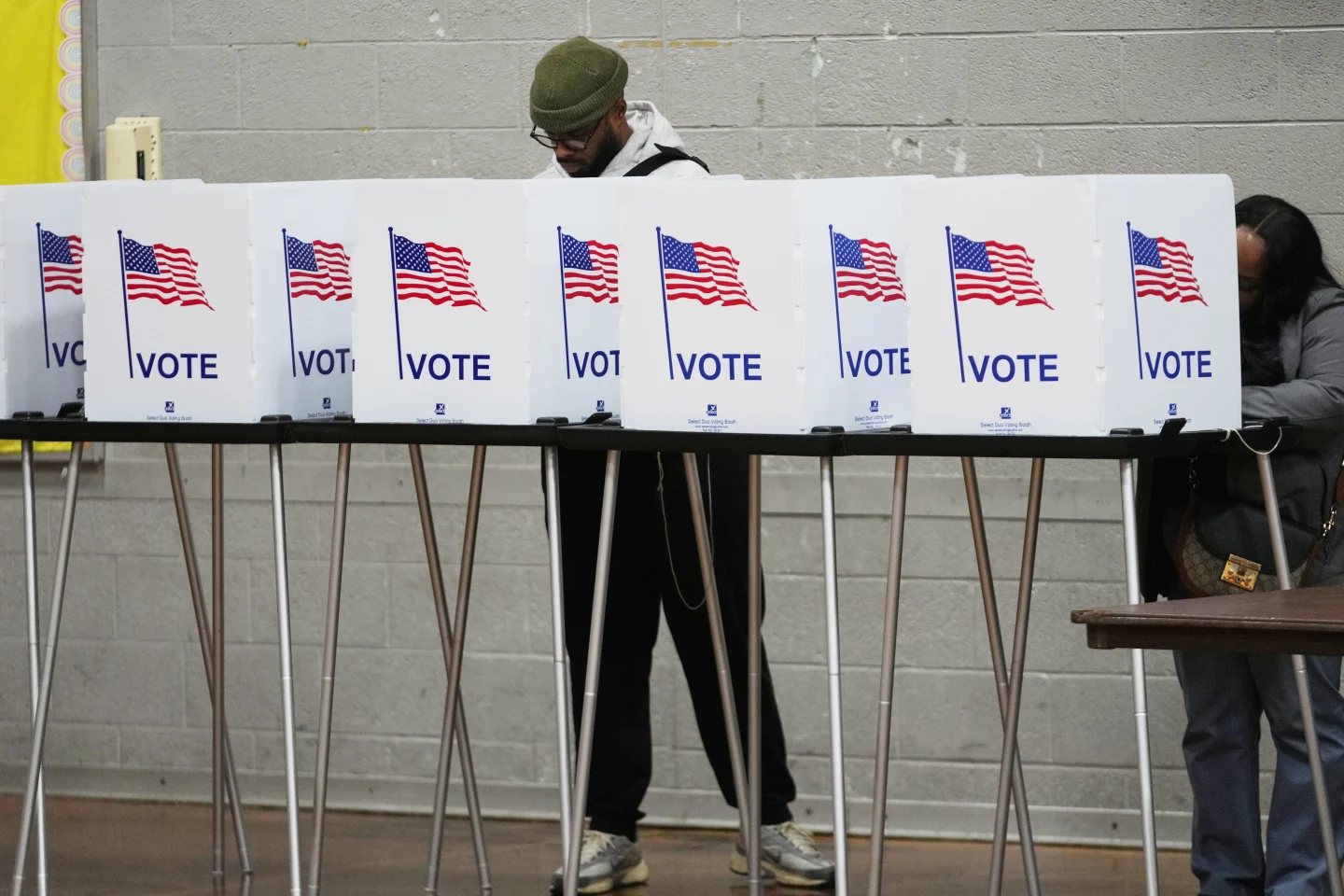
Ken Martin, chairman of the Democratic National Committee, asserted that Trump's potential use of military forces on polling days could intimidate voters, stifling participation in the upcoming elections. This rhetoric echoes earlier warnings from Democratic leaders, although October's elections did not manifest significant disruptions.
While Trump's administration categorically denies plans to deploy military forces for voter intimidation, Democrats remain vigilant. The DNC is amplifying its legal resources to prepare for any potential actions that could adversely affect voter participation or electoral fairness.
The debate also touches on the fundamental structure of U.S. elections, which are primarily governed by state regulations. Constitutional provisions place limits on presidential intervention in state-administered voting processes. Nonetheless, the nuances of elections mean that the threat of misinformation and manipulation remains a real concern.
As both parties gear up for the confrontation ahead, a focus on 'voter protection' and 'election integrity' is emerging, with significant preparations underway to manage and monitor potential election-related challenges.