An Orthodox Easter truce agreed by Russia and Ukraine came into force on Saturday afternoon, but within 38 minutes of its implementation, air raid sirens were sounding in the Kharkiv region of northeastern Ukraine. This signal of distress marked the beginning of further reports of ceasefire violations, although military officials noted no long-range missile or drone strikes occurred during this period.
The truce, intended to last until Easter Monday, aimed at providing a short respite for residents, who have endured more than four years of war following Russia's full-scale invasion. President Volodymyr Zelensky emphasized that Easter should symbolize safety and peace, warning that Ukraine's forces would respond to any offensive actions by Moscow.
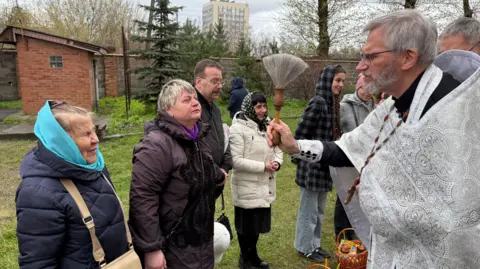
Expectations for a meaningful cessation of hostilities remain low among the populace. Families gathered with Easter baskets, filled with festive foods, at St John the Theologian Church in Kharkiv, seeking blessings from the priest. The parishioners expressed skepticism about the ceasefire's durability. Fr Viktor, a priest at the church, voiced doubts about the significance of the Russian agreement, while many congregation members echoed concerns that any pause in fighting would merely precede intensified attacks.
As military units in proximity to the Russian border continue their preparations for potential conflict, one commander noted the need for vigilance despite the 32-hour ceasefire. The commander of a drone unit stated, Russia says one thing, then does the other. So you have to be ready. Meanwhile, personnel on rotation have resorted to delivering Easter treats to comrades at the front, highlighting the intersection of celebration and the harsh realities of war.
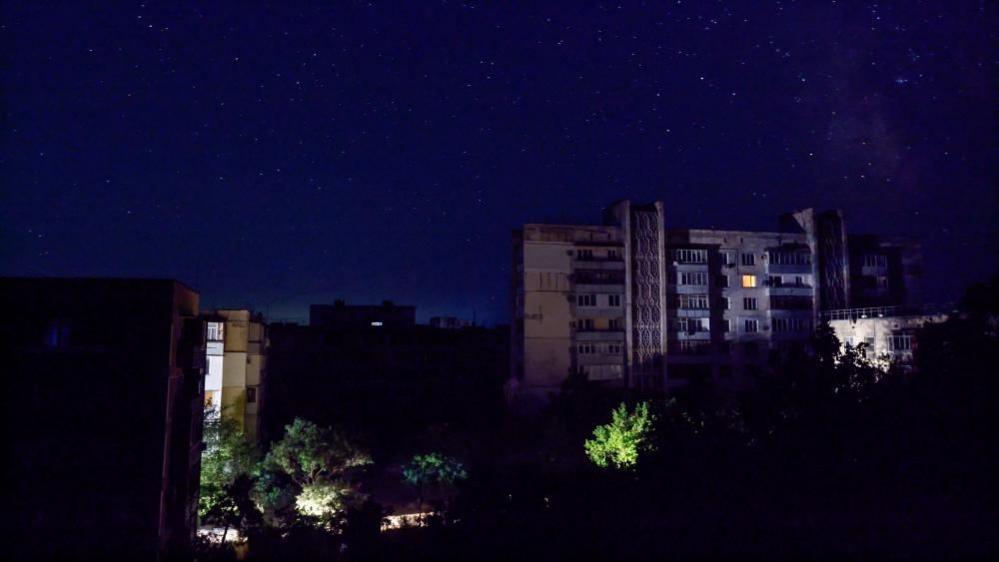
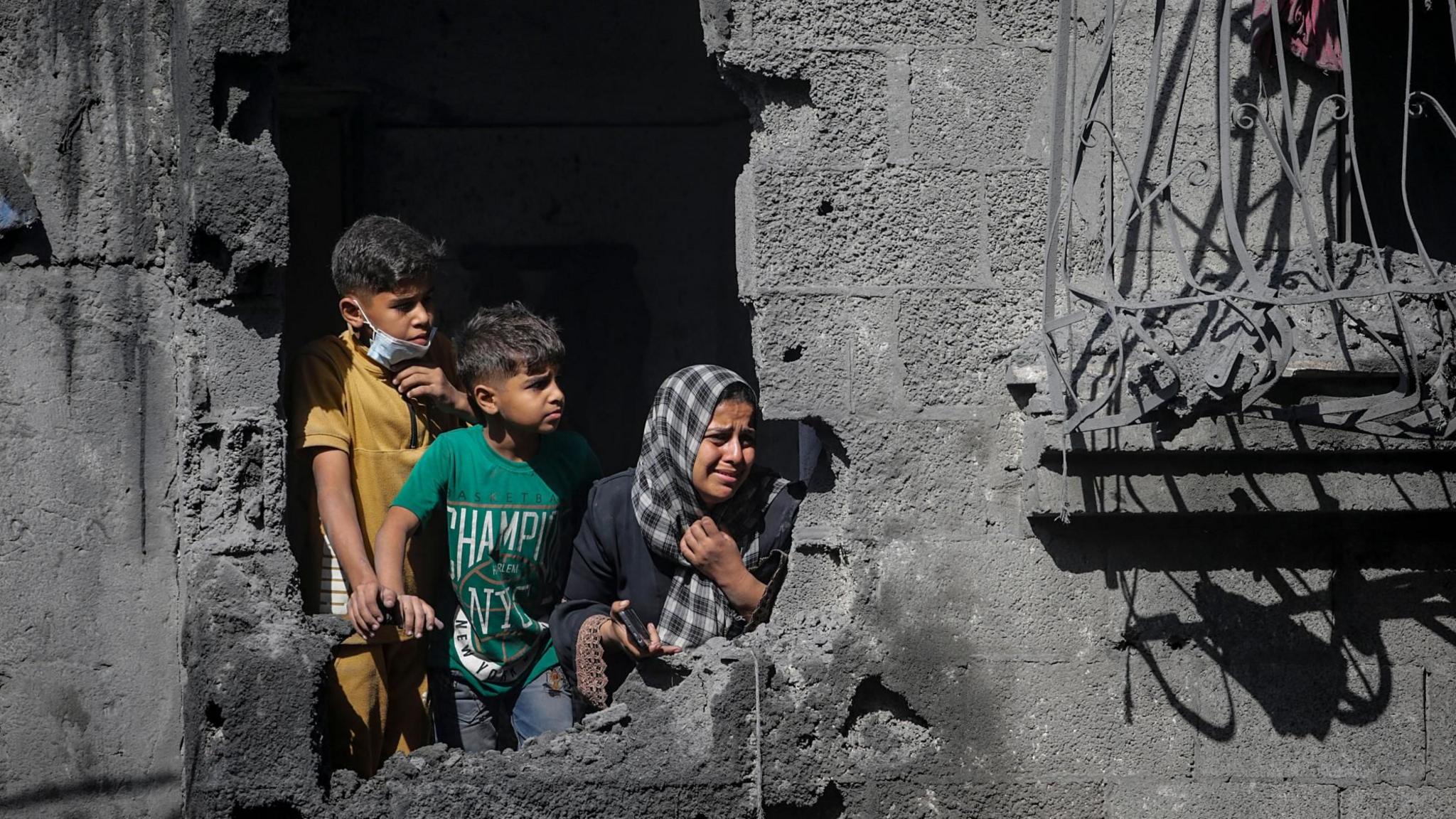
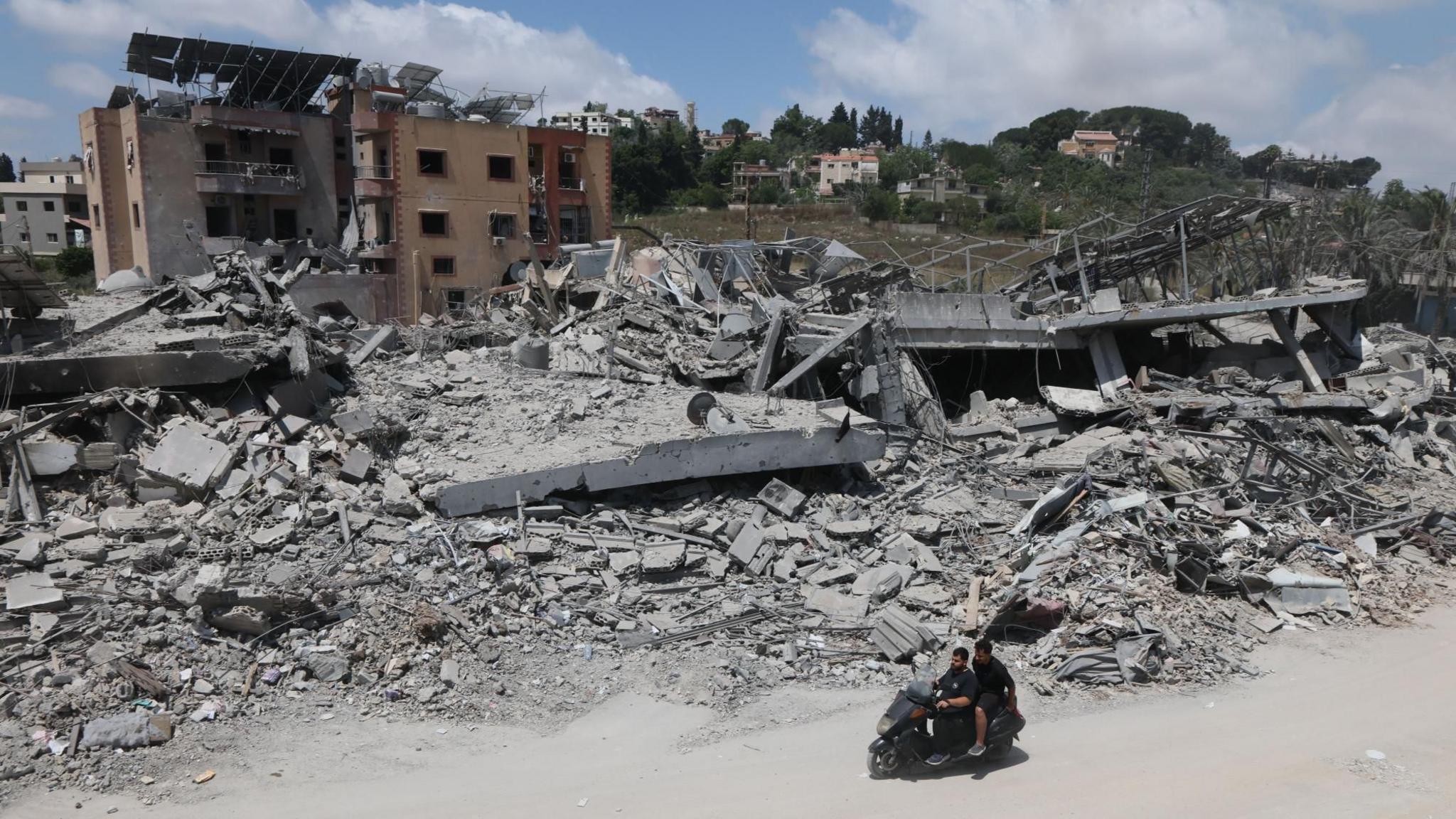
The damage inflicted on Kharkiv is evident, with buildings in ruins and families mourning losses from recent missile strikes. Amidst the wreckage, residents like Olha have shared their personal experiences of survival during bombardments and expressed a deep yearning for true peace and stability. Despite ongoing violence, Zelensky has proposed transforming this tentative truce into a lasting ceasefire, allowing for negotiations with Russia going forward—a gesture met with skepticism as Russian officials indicated an intention to resume hostilities shortly thereafter.
The truce, intended to last until Easter Monday, aimed at providing a short respite for residents, who have endured more than four years of war following Russia's full-scale invasion. President Volodymyr Zelensky emphasized that Easter should symbolize safety and peace, warning that Ukraine's forces would respond to any offensive actions by Moscow.
Expectations for a meaningful cessation of hostilities remain low among the populace. Families gathered with Easter baskets, filled with festive foods, at St John the Theologian Church in Kharkiv, seeking blessings from the priest. The parishioners expressed skepticism about the ceasefire's durability. Fr Viktor, a priest at the church, voiced doubts about the significance of the Russian agreement, while many congregation members echoed concerns that any pause in fighting would merely precede intensified attacks.
As military units in proximity to the Russian border continue their preparations for potential conflict, one commander noted the need for vigilance despite the 32-hour ceasefire. The commander of a drone unit stated, Russia says one thing, then does the other. So you have to be ready. Meanwhile, personnel on rotation have resorted to delivering Easter treats to comrades at the front, highlighting the intersection of celebration and the harsh realities of war.
The damage inflicted on Kharkiv is evident, with buildings in ruins and families mourning losses from recent missile strikes. Amidst the wreckage, residents like Olha have shared their personal experiences of survival during bombardments and expressed a deep yearning for true peace and stability. Despite ongoing violence, Zelensky has proposed transforming this tentative truce into a lasting ceasefire, allowing for negotiations with Russia going forward—a gesture met with skepticism as Russian officials indicated an intention to resume hostilities shortly thereafter.