For months, rumors and secrecy have surrounded last year's alleged Independence Day coup plot in Nigeria. The recent indictment of six individuals accused of involvement marks the first details of what is said to have been an elaborate scheme to oust President Bola Tinubu.
The coup was reportedly planned for October 1, 2025, coinciding with Nigeria's 65th independence anniversary. However, at the last minute, the government abruptly canceled the celebratory parade with no public explanation, fueling speculation.
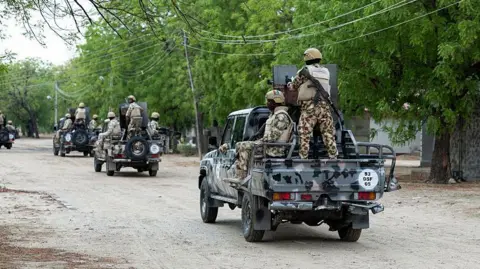
In January, the military disclosed that 16 unnamed senior officers were facing court-martial over the alleged coup attempt, effectively admitting to a thwarted takeover.
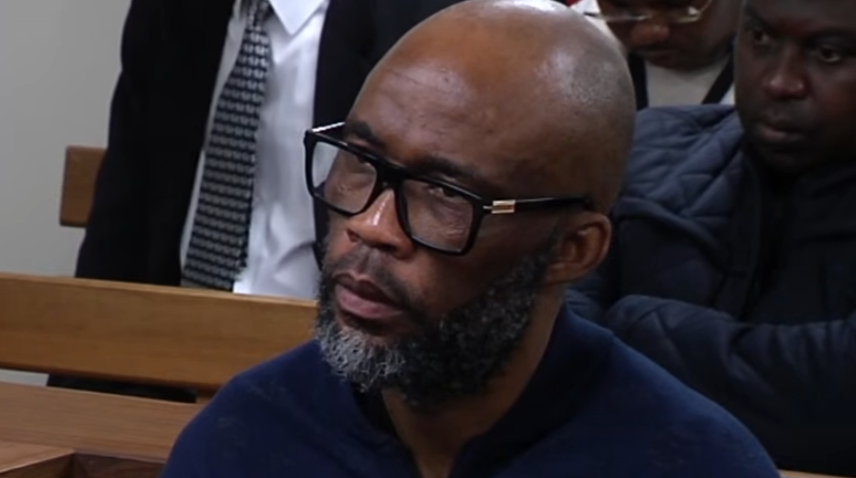
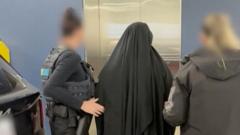
Recent court documents filed in the Federal High Court include the name of Colonel Mohammed Ma'aji as the alleged mastermind of the plot, which aimed to destabilize the government prior to execution. The defendants are a mix of civilians, a serving police inspector, and retired military personnel, whose trial is expected to shed light on the broader implications of this conspiracy.
The narrative further complicates with allegations of financial backing for the coup, where Timipre Sylva, a former oil minister, is implicated as a key financier though not formally charged.
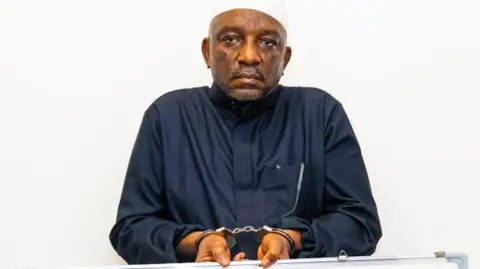
Additionally, Sani Abdulkadir, a cleric, is accused of being a 'prayer-warrior' for the coup, reinforcing the intertwining of religion in the plot. His involvement has already raised eyebrows, leading to media reports of his prior disappearance and recent court rulings on his detention.
As the trial progresses, Nigerians are anxious about the implications of this potentially significant military conspiracy amid rising economic turmoil and ongoing political questioning in the country.
Officials predict this is likely just the beginning, with more individuals poised to face trial as investigations continue, raising concerns about another coup in a nation that has remained under civilian rule since 1999.