In brief
In a breaking development, the European Union has granted preliminary approval for a €90 billion loan to Ukraine, crucial for bolstering the country’s defenses and recovery. This decision comes after Ukraine restarted oil pumping through the Druzhba pipeline into Hungary and Slovakia, lifting a previous deadlock exacerbated by Hungary's previous veto. The approval is expected to significantly aid Ukraine as it continues to navigate the challenges posed by ongoing tensions with Russia.
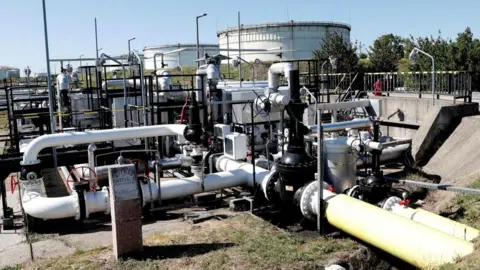
Ukraine says it has resumed pumping Russian oil through a pipeline into Hungary and Slovakia, bringing to an end months of deadlock over a €90bn (£78bn) loan seen as crucial European Union support for Kyiv.
Soon afterward, EU ambassadors meeting in Brussels gave preliminary approval to the loan, along with a 20th package of sanctions against Russia, officials reported.
The funding, initially agreed last December, had been held up after Hungary's Viktor Orbán vetoed the payment in February due to alleged damage caused by Russian attacks that halted oil supplies.
Ukraine confirmed that the oil transfer resumed hours after the EU meeting began. Orbán had insisted that oil deliveries must restart before the loan could be disbursed, and Ukrainian officials reported that repairs to the pipeline had been completed.
This development follows Orbán's defeat in the recent elections, which may lead to improved relations between Hungary and the EU. The new leader, Péter Magyar, is expected to prioritize a reset in Budapest's ties with Brussels.
EU foreign policy chief Kaja Kallas stated that this loan is vital for Ukraine, emphasizing that it demonstrates Russia's inability to outlast the country. Approximately two-thirds of the loan will go toward enhancing Ukraine's defense capabilities, with the remainder targeting broader financial assistance.
Slovak Economy Minister Denisa Sakova noted that oil pumping had begun on Wednesday and defined the situation as critical for their energy supplies. Mol, a Hungarian energy company, anticipates the first supplies to arrive by Thursday.
This sequence of events reflects Orbán's previous accusations against Ukraine, suggesting that an oil blockade had been imposed, but the recent changes indicate a shift in the dynamics following Hungary's electoral outcomes.