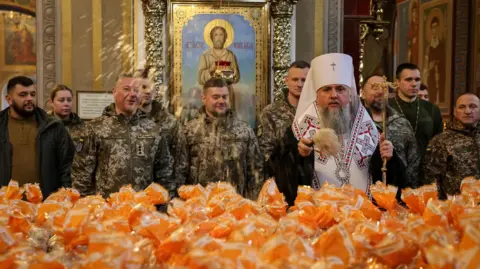
In a pivotal moment for the ongoing conflict, Russia and Ukraine have agreed to a truce for Orthodox Easter. Russian President Vladimir Putin has ordered a ceasefire across all directions for this weekend, aiming to coincide with the holiday.
This declaration from Moscow arrived after Ukrainian President Volodymyr Zelensky had made several calls for a ceasefire, which until now had been dismissed by the Kremlin. Putin announced the truce to begin at 16:00 local time on Saturday, April 11, through Easter Sunday, urging Ukraine to “follow the example” set by Russia.
Despite the offer, the response from Ukraine has been one of skepticism, with Zelensky indicating that Ukraine is ready for 'symmetrical steps' towards peace. He stated, People need an Easter free from threats and real movement toward peace,” hinting at the ongoing violence and its impact on civilians.
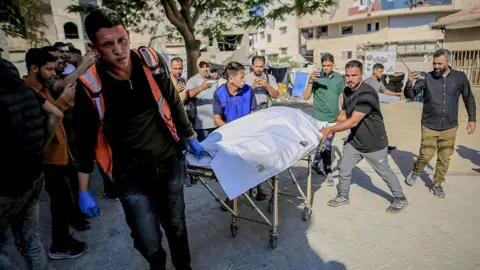
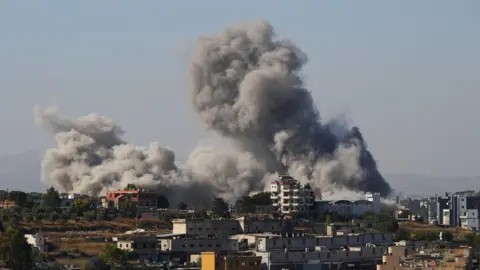
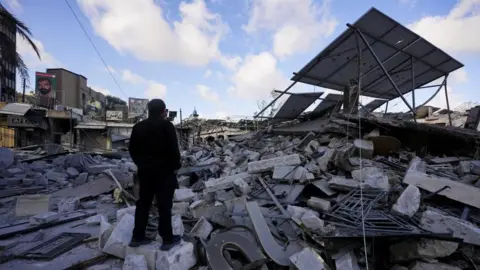
However, the situation remains precarious. Recent weeks have seen increased Russian drone attacks on Ukrainian territories, resulting in civilian casualties, including a deadly incident involving a drone targeting civilians in Nikopol.
While the potential truce offers a momentary respite for soldiers along the frontline and a chance for Ukrainian civilians to find temporary relief from daily air raid sirens, the public's trust in the ceasefire's longevity is fragile. Historical precedents from earlier claimed truces lead many to believe this might be yet another tactical maneuver rather than a step towards genuine peace.
The international community watches closely, reflecting on the patterns of previous ceasefires, particularly those overlooked by Moscow even after established agreements. As Ukraine calls for a more substantial and stable ceasefire, the response from Russia remains strategically ambiguous, prompting concerns over potential future violations.