In brief
In the wake of a fragile ceasefire in Iran, citizens express their fears and hopes regarding the conflict and the possibility of a US-deal. With experiences shared by locals, the narrative reveals the complexities of life shaped by war and impending negotiations, as well as the desire for change amid governmental pressures.
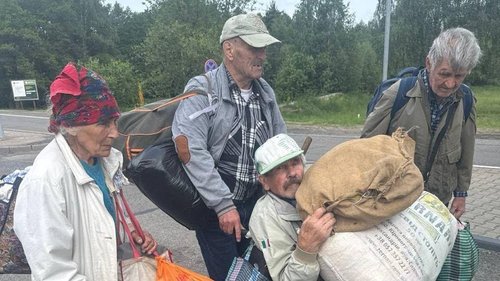
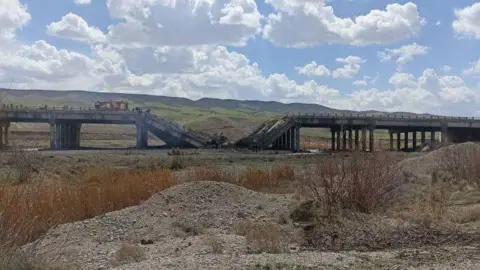
On the plains of northwestern Iran, edged by snow-ribboned ridges, spring nudges almond trees into frothy bloom and a fragile ceasefire brings more traffic onto highways, and more Iranians back to their homeland.I stayed with my son in Turkey for a month, a grey-haired banker remarks while waiting in the departures hall at a Turkish crossing. He offers a personal account: In my city in the north, the Israeli and American airstrikes have mostly targeted military sites, sparing homes and civilian infrastructure.However, the mood shifts among others, revealing deeper fears. An elderly woman, wrapped in a headscarf, expressed sorrow over the youth's suffering and the looming threats from Iran's Basij paramilitary forces. The conversations reflect a range of opinions; a young woman predicts the ceasefire won't hold, stating, Iran will never give up its control of the Strait of Hormuz. On entering Iran, one man laments, Trump will never leave Iran alone; he wants to swallow us!As tensions persist, U.S. President Trump's warnings against Iran add to the looming uncertainty. On the long drive to Tehran, where air traffic remains halted, reflections on the fragile infrastructure and the impacts of military actions resonate with every passing bridge.Despite the war's tragedy, including significant infrastructure damage, Iranians navigate their reality, with whispers of diplomatic negotiations in the background hinting at a complex future ahead. As discussions continue about a deal with the U.S., hope mingles with the pain of recent events, and the Iranian populace remains anchored to their daily lives, awaiting tangible change after enduring a tumultuous year.