An early flood warning system designed to save the lives of thousands of people in the Everest region may no longer be working, Nepalese officials have admitted to the BBC, following its neglect. The disclosure came after villagers in the local Sherpa communities reported that no inspection of the UN-supported project had been conducted for years since the dangerous Imja glacial lake was last drained in 2016. Since then, crucial maintenance has been absent; siren towers have rusted, and batteries have been stolen, according to locals.
Additionally, the satellite data used for monitoring the lake's water level, necessary for sending mobile alerts, has been unreliable, as confirmed by officials from Nepal's Department of Hydrology and Meteorology (DHM). The Imja lake, elevated at nearly 5,000 meters above sea level, has not burst since it was drained a decade ago. It originally reached depths of approximately 150 meters, presenting a significant threat if it were to overflow.
In the past, the depth reduction of the lake formed part of a $3.5 million risk reduction project, including the establishment of the early warning system. However, scientists warn that climate change is causing Himalayan glacial lakes to expand dangerously, posing flood risks to downstream settlements.
The local communities, comprised of at least six villages and over 60,000 tourists visiting annually, remain in jeopardy. Sherpa leaders express deep frustration over the government's failure to uphold its commitments regarding the system's inspections and maintenance. They report that despite yearly visits to request repairs, no action has been taken, further amplifying their risk as the monsoon season approaches.
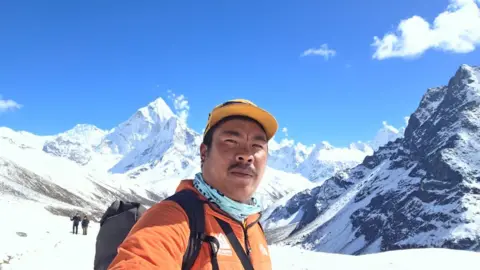
Experts note that rising temperatures have destabilized the mountains, resulting in rockfalls and glacial collapse, which have triggered catastrophic floods in these regions in the past half-century. The state of the siren towers leads us to fear that we could receive no warning should the Imja lake burst, warns local leader Ang Nuru Sherpa. Furthermore, DHM officials highlighted that central government funding is lacking for maintenance, complicating necessary repairs.
Compounding the existing problems, the hydro-meteorological station charged with relaying vital water-level data is also malfunctioning, hampering efforts to provide timely alerts about potential floods. As the current winter season ends and more trekkers and tourists arrive, concerns grow among local residents about safety and the reliability of their flood warning systems.
Although the UNDP has initiated new projects funded by a recent $36 million grant to establish improved flood risk management systems elsewhere, locals remain skeptical about the ongoing state of their existing infrastructure amid the pressing changes in climate.
Additionally, the satellite data used for monitoring the lake's water level, necessary for sending mobile alerts, has been unreliable, as confirmed by officials from Nepal's Department of Hydrology and Meteorology (DHM). The Imja lake, elevated at nearly 5,000 meters above sea level, has not burst since it was drained a decade ago. It originally reached depths of approximately 150 meters, presenting a significant threat if it were to overflow.
In the past, the depth reduction of the lake formed part of a $3.5 million risk reduction project, including the establishment of the early warning system. However, scientists warn that climate change is causing Himalayan glacial lakes to expand dangerously, posing flood risks to downstream settlements.
The local communities, comprised of at least six villages and over 60,000 tourists visiting annually, remain in jeopardy. Sherpa leaders express deep frustration over the government's failure to uphold its commitments regarding the system's inspections and maintenance. They report that despite yearly visits to request repairs, no action has been taken, further amplifying their risk as the monsoon season approaches.
Experts note that rising temperatures have destabilized the mountains, resulting in rockfalls and glacial collapse, which have triggered catastrophic floods in these regions in the past half-century. The state of the siren towers leads us to fear that we could receive no warning should the Imja lake burst, warns local leader Ang Nuru Sherpa. Furthermore, DHM officials highlighted that central government funding is lacking for maintenance, complicating necessary repairs.
Compounding the existing problems, the hydro-meteorological station charged with relaying vital water-level data is also malfunctioning, hampering efforts to provide timely alerts about potential floods. As the current winter season ends and more trekkers and tourists arrive, concerns grow among local residents about safety and the reliability of their flood warning systems.
Although the UNDP has initiated new projects funded by a recent $36 million grant to establish improved flood risk management systems elsewhere, locals remain skeptical about the ongoing state of their existing infrastructure amid the pressing changes in climate.