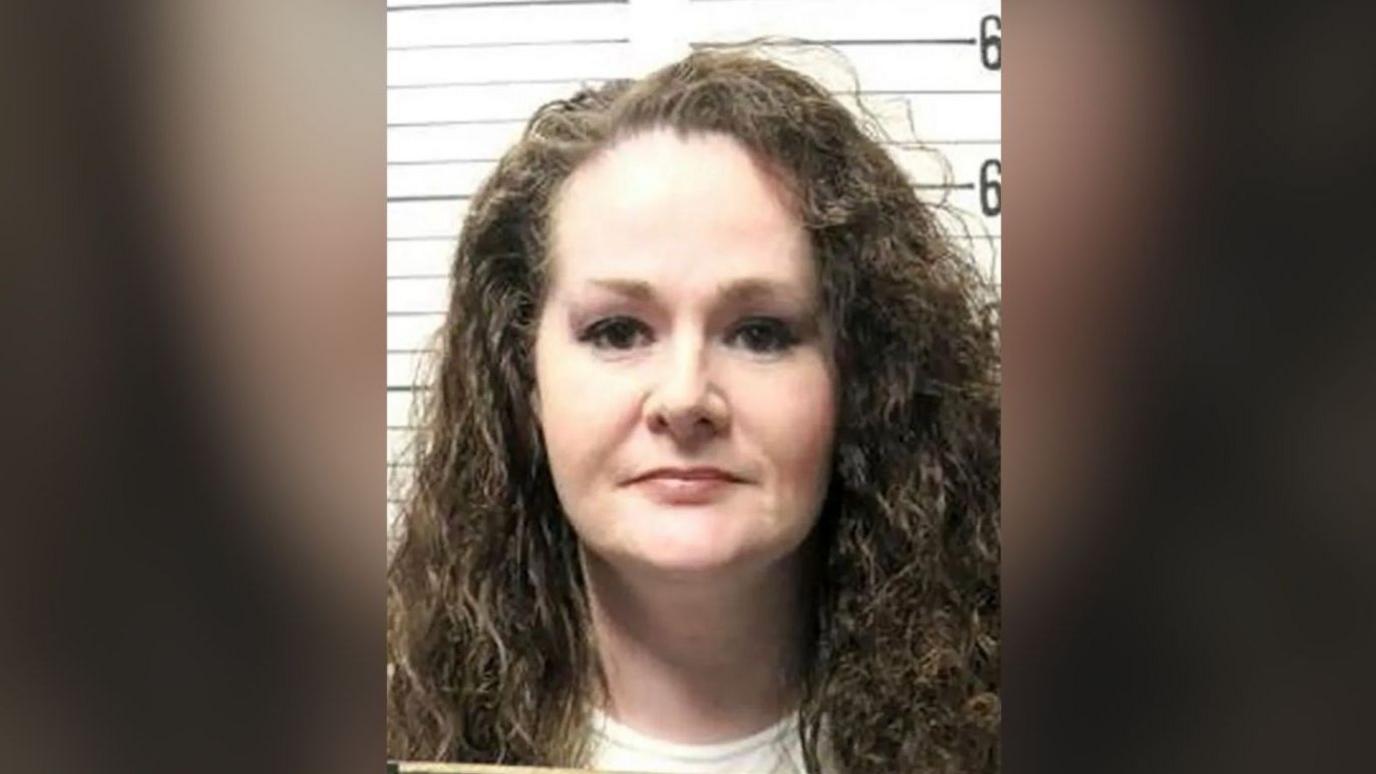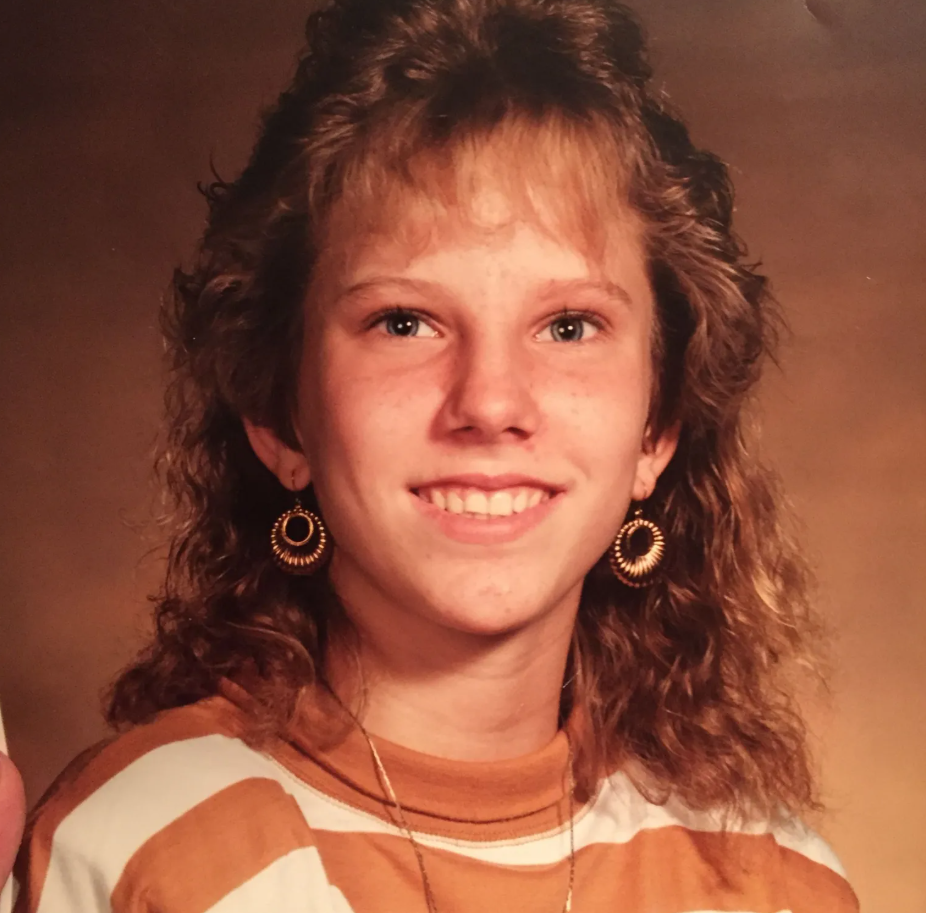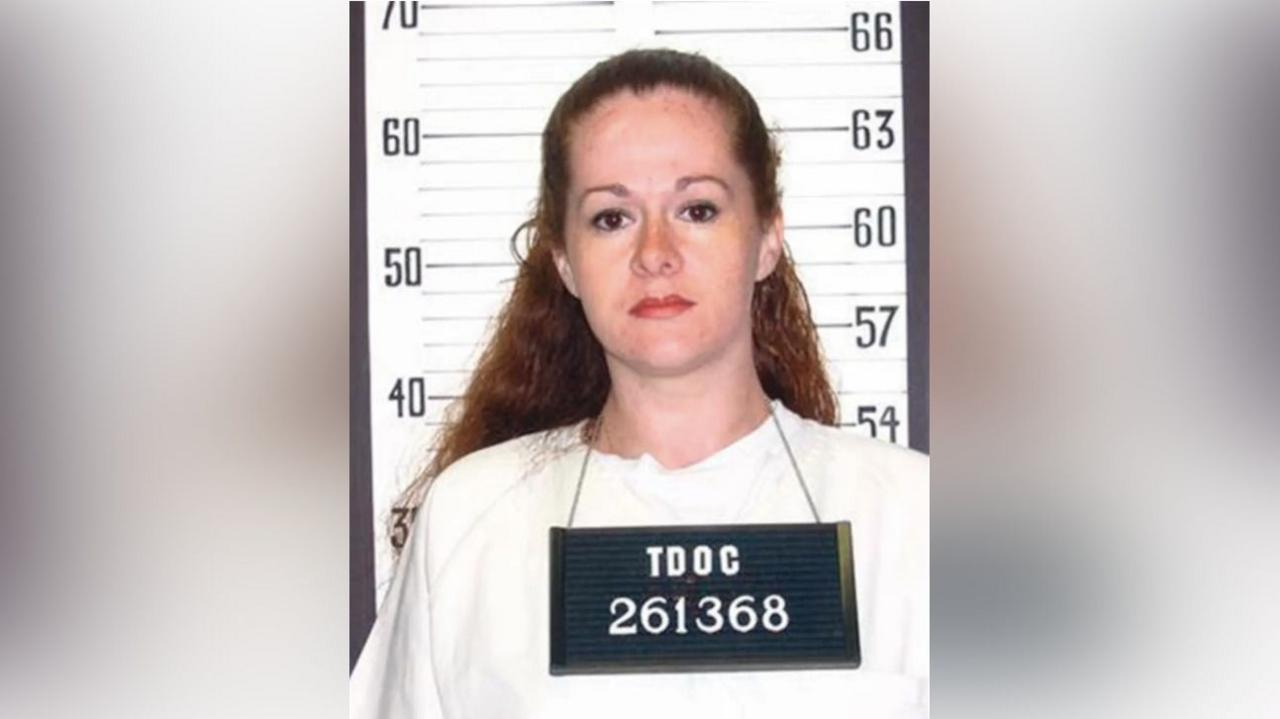

Warning: The following article contains graphic details about a failed death penalty attempt.
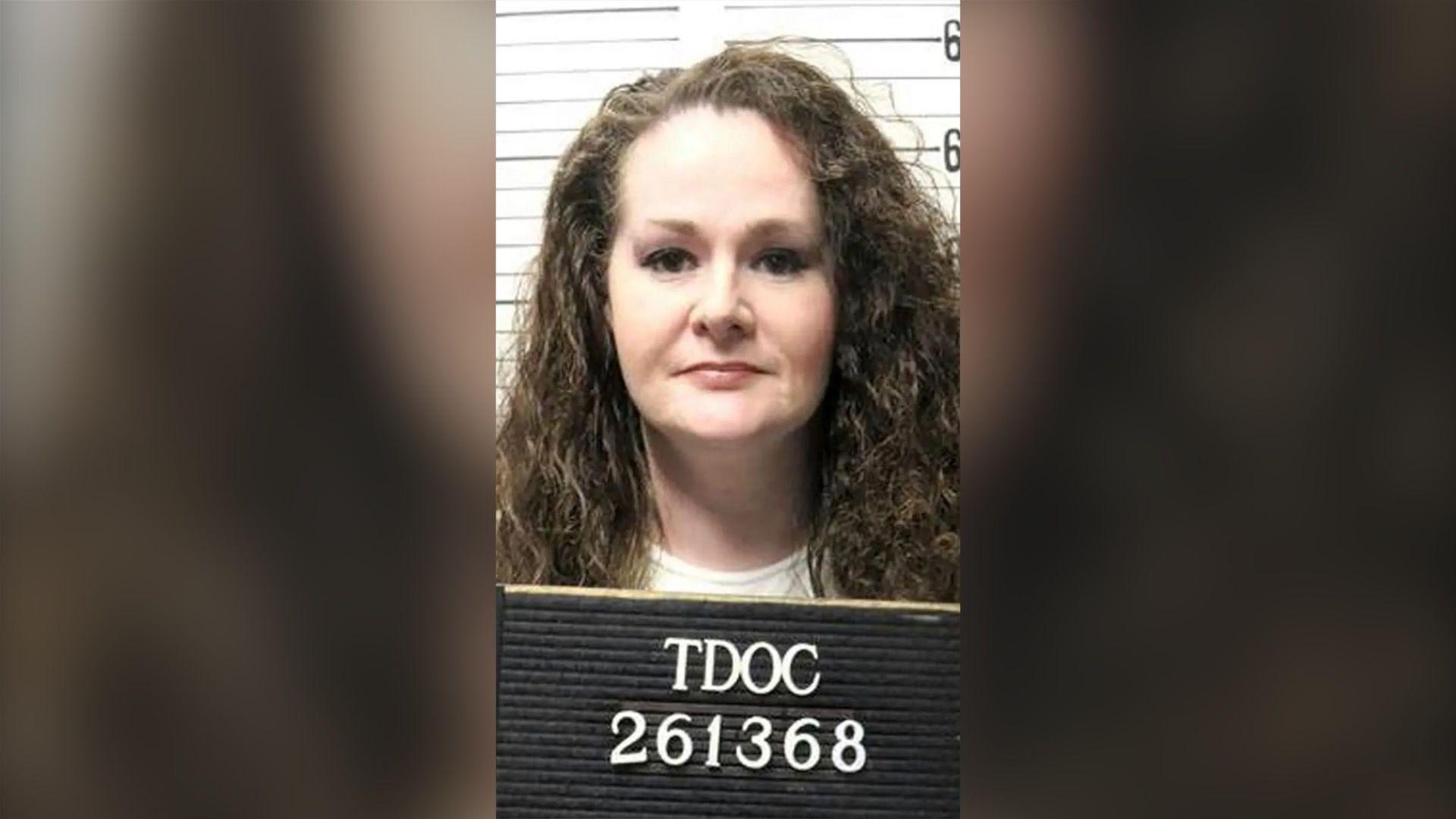
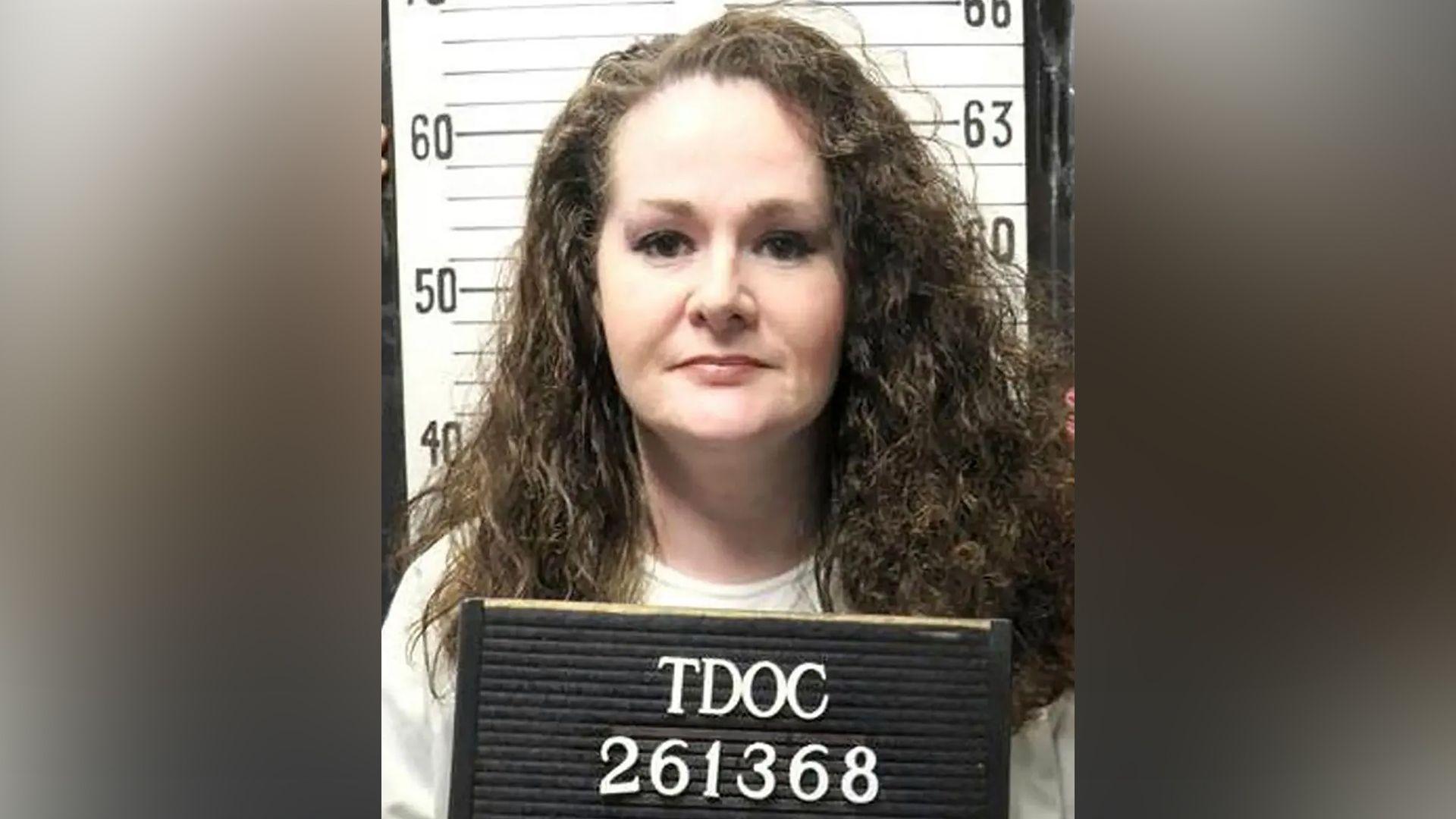
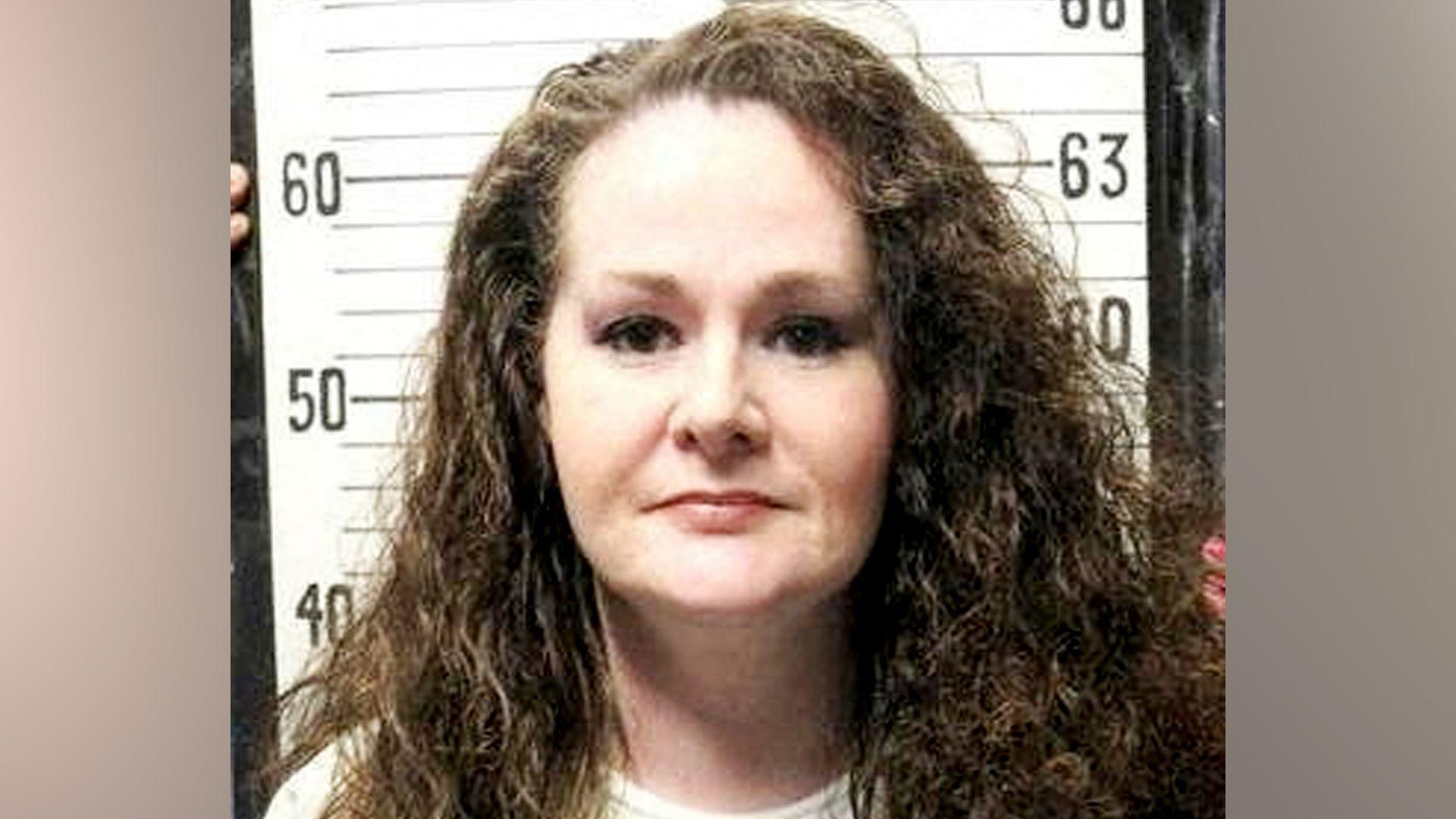
Christa Pike, 50, a Tennessee death‑row inmate convicted in 1996 for the 1995 murder of 19‑year‑old Colleen Slemmer, was left unconscious and on a ventilator after a lethal‑injection attempt on Wednesday night. The state administered two doses of pentobarbital, but the drugs never entered her bloodstream. Pike, who suffers from thrombocytosis and exceptionally small veins, was rushed to a nearby hospital in an ambulance while the surgical team struggled to insert an intravenous line.
Her lawyers filed an emergency motion to preserve all evidence from the botched execution and argued that the procedure was inadequately carried out. They describe six needle pricks, one bent at 90 degrees, and vivid sounds of her crying and raising her breath as the substance was injected without effect. Dr. Joel Zivot, Pike’s anesthesiologist, claims that if the pentobarbital had entered circulation normally, the two doses would have killed her in minutes.
In response, Tennessee Governor Bill Lee ordered an independent review of the execution protocol and announced a one‑year moratorium on all executions in the state. The Department of Corrections defended its methods, insisting that the protocol permitted no further steps. Authorities have yet to confirm whether Pike will face another attempt or if her case will ultimately lead to a commutation.
This incident adds to mounting questions about the fairness and humanity of the United States’ capital‑punishment system. As the debate intensifies, the state’s legal and medical officials will remain under scrutiny while advocates for the abolition of the death penalty ramp up pressure for reform.
For those looking to understand the complexities of lethal‑injection protocols, the decision to proceed with a second attempt remains unsettled. Given the possibility that pentobarbital may have been degraded or improperly stored, the outcome of Pike’s case may reshape guidelines for future executions nationwide.