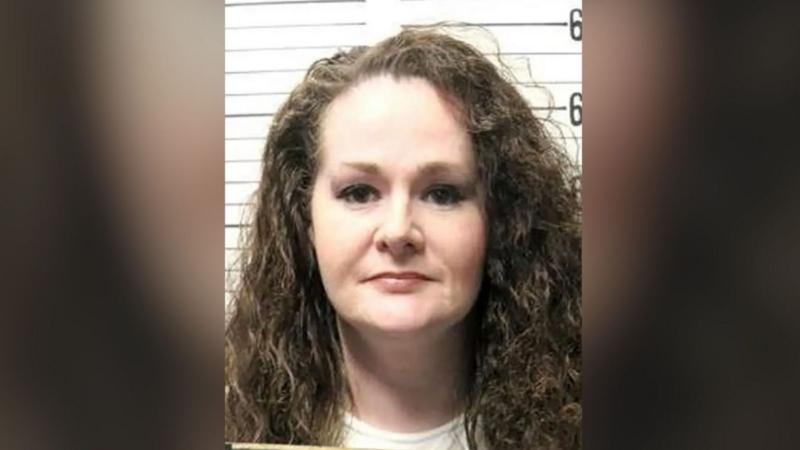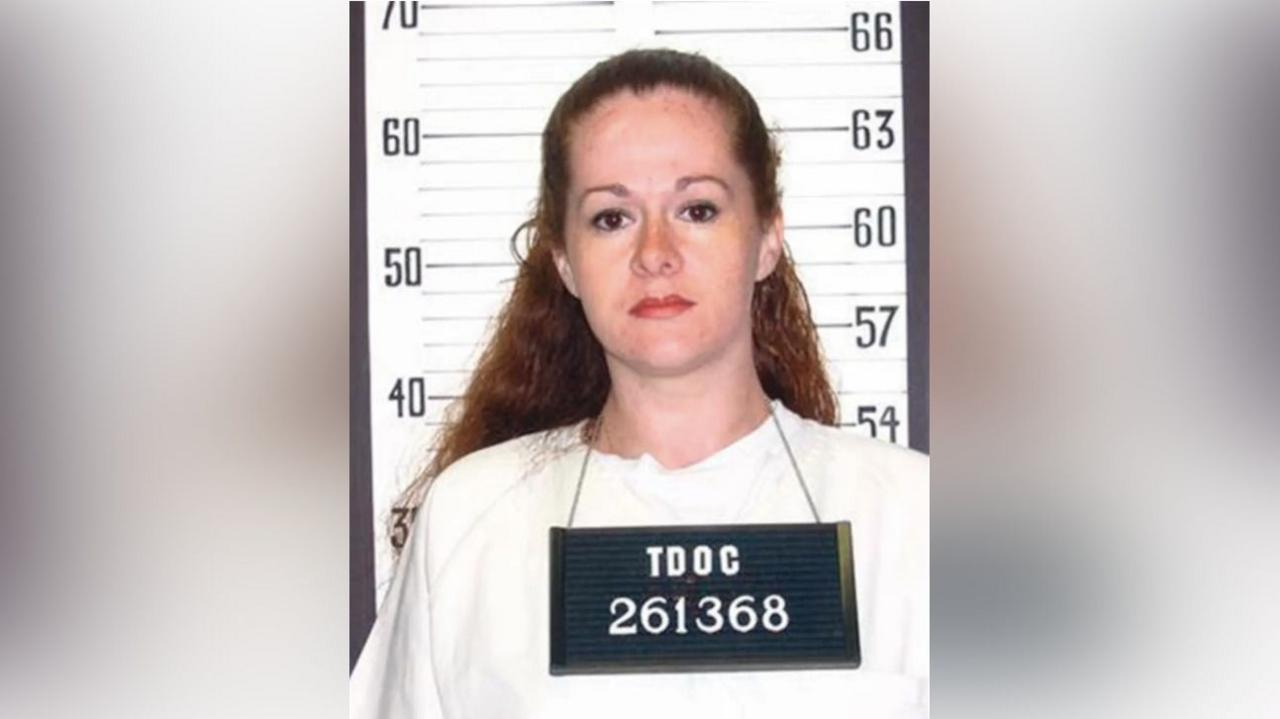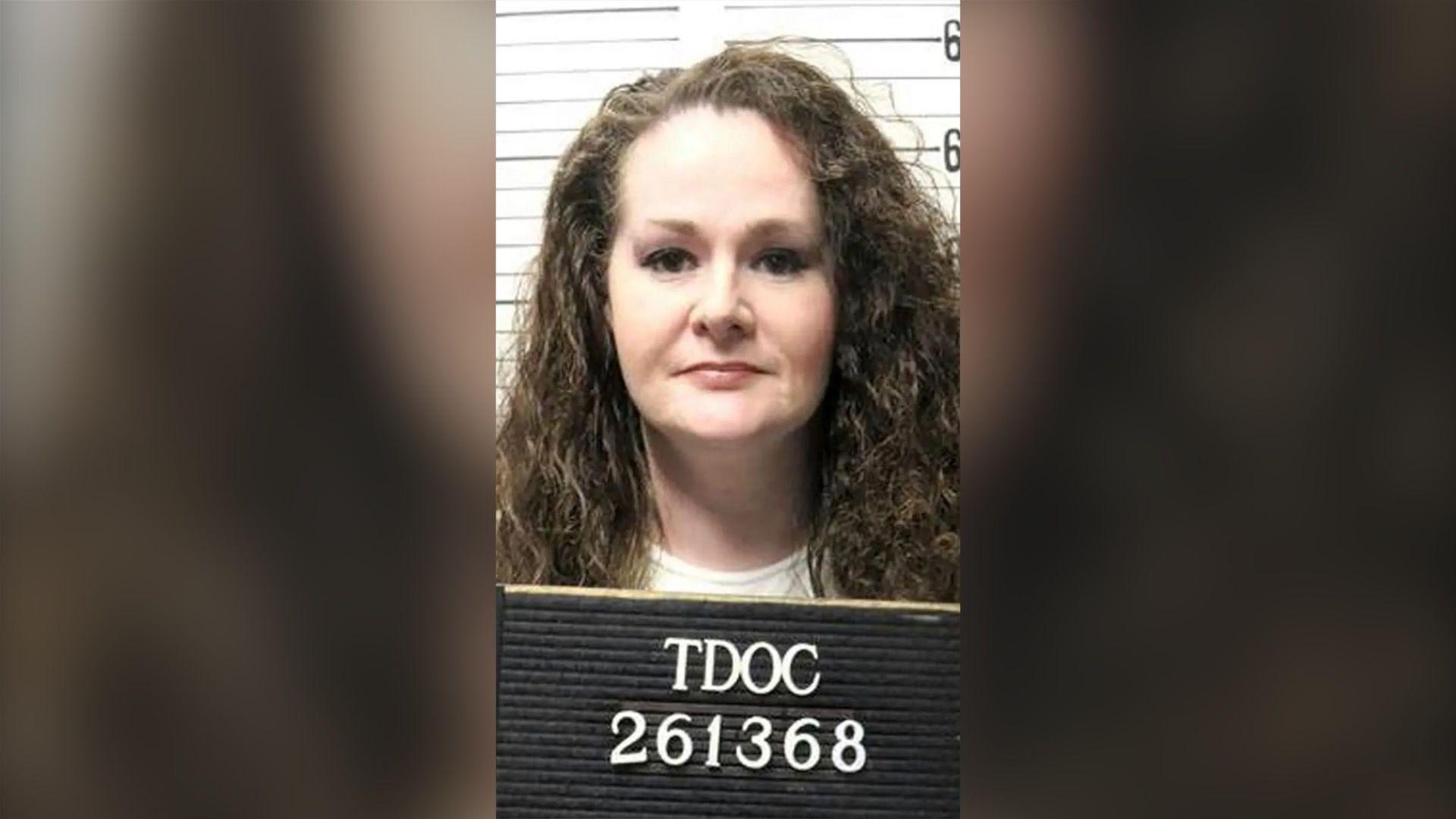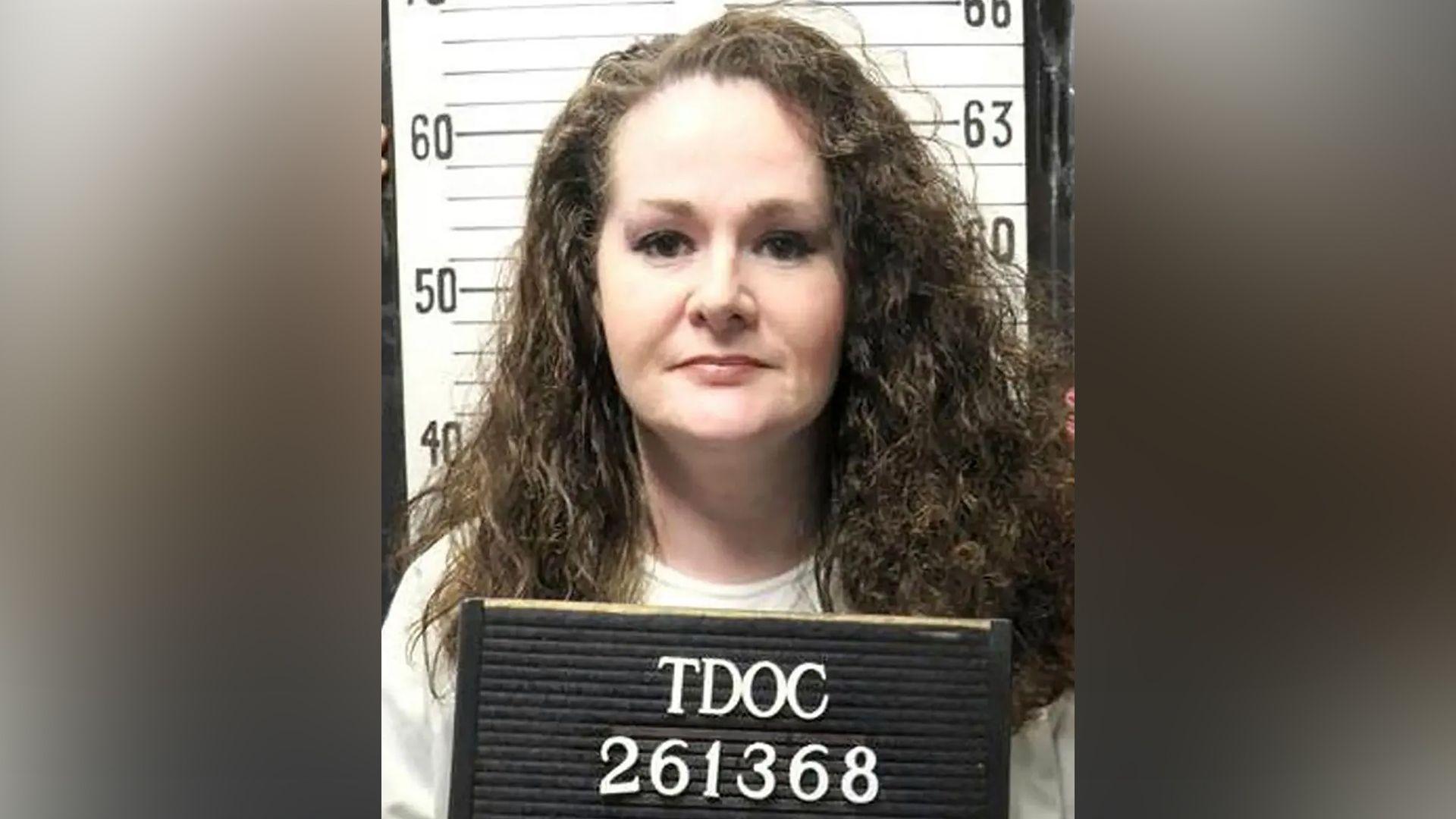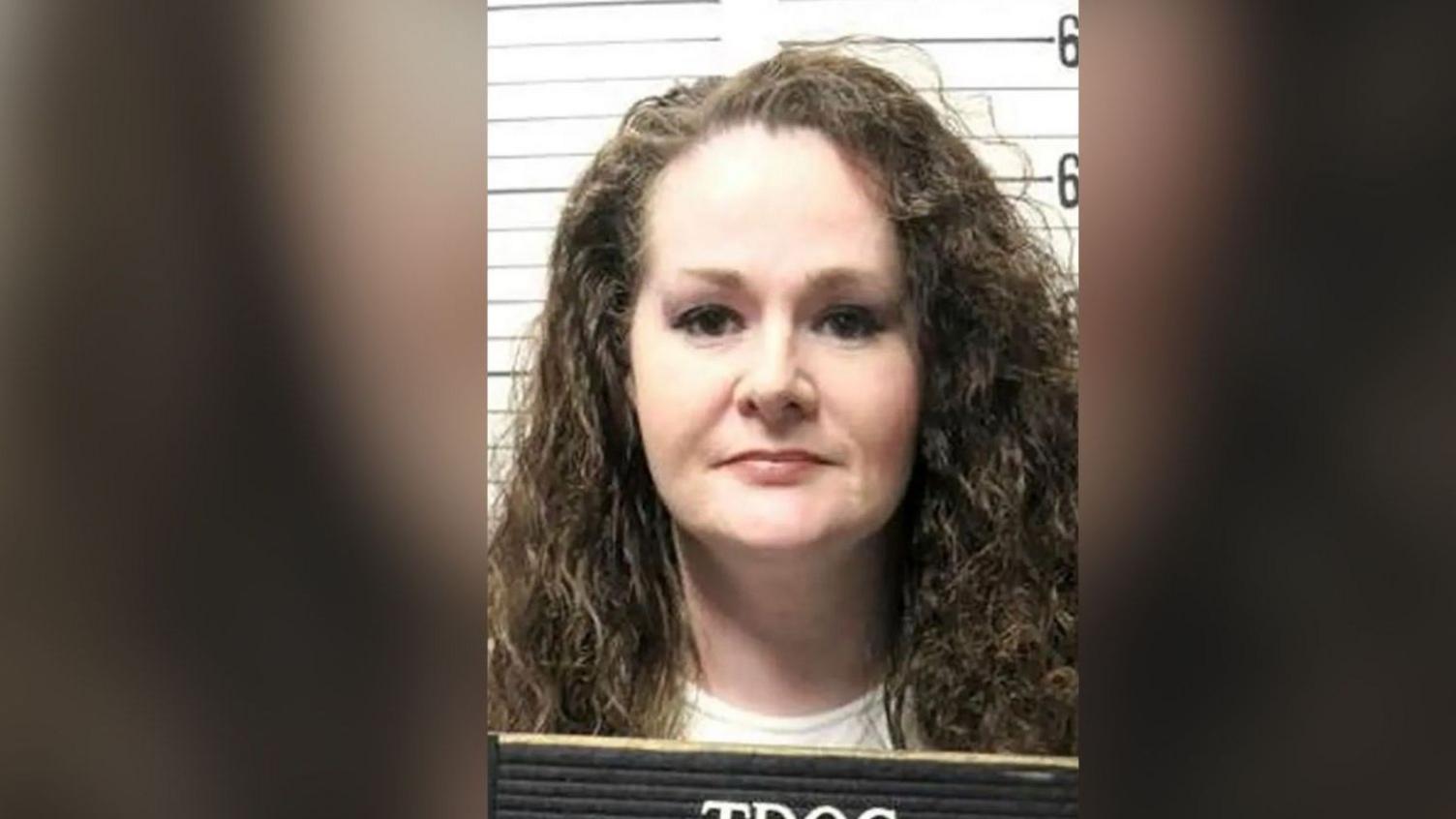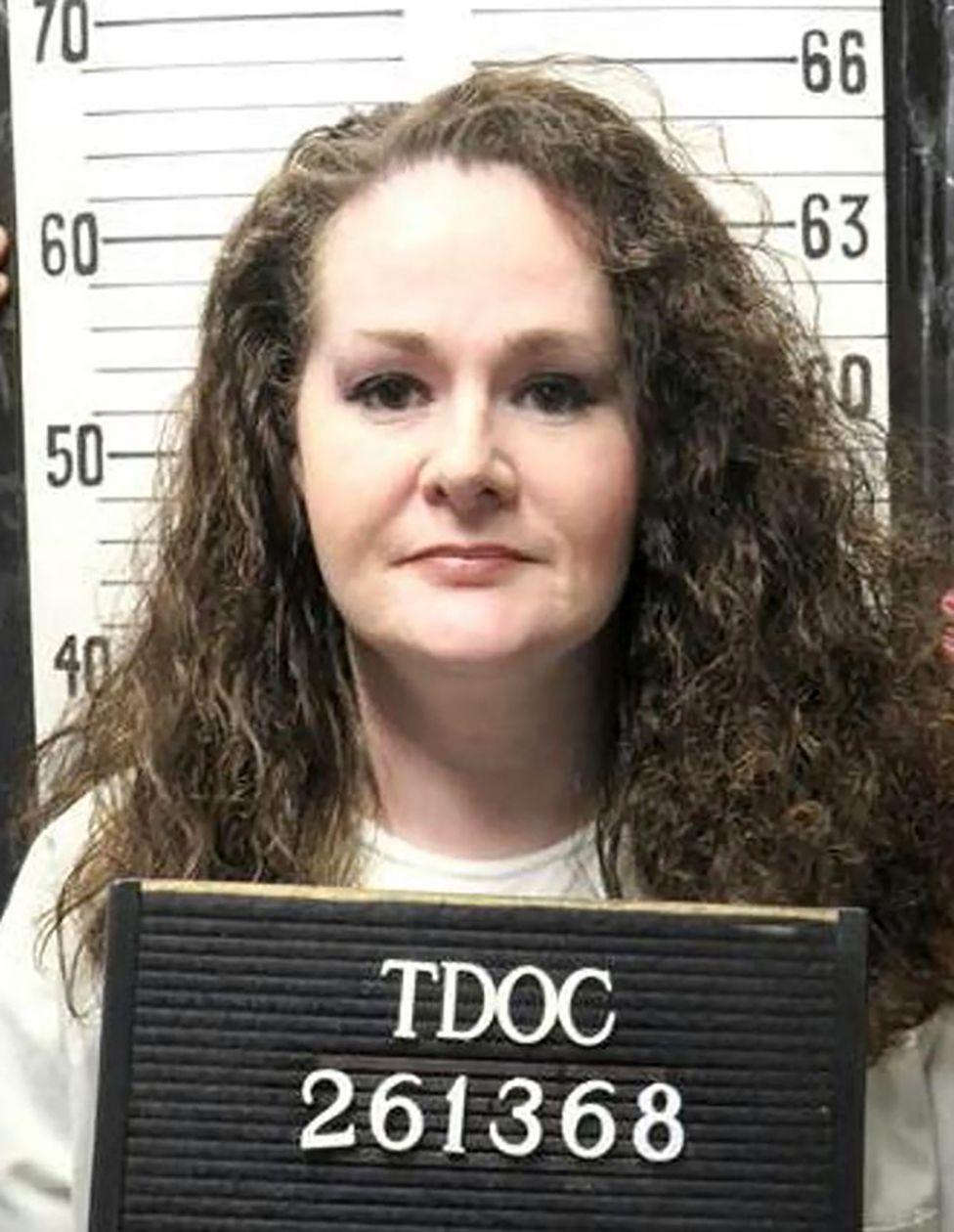
On Wednesday night, the state of Tennessee fell into the unsuitable position of having to re‑examine its lethal‑injection protocol when a 50‑year‑old, death‑row inmate named Christa Pike breathed and snored after the first dose of pentobarbital. The drug, normally used to bring the body into a deep, painless state, failed to induce death, causing the state to administer a second dose and then devastate the public with the knowledge that the execution had not succeeded.
The incident came under the attention of veteran reporter Michael Graczyk, who has covered roughly 500 executions since 1978, mostly in Texas. Although retired from the Associated Press, Graczyk continues to freelance in his home state and felt a personal, moral responsibility to document the case, noting that the event marked the first time in his career a prisoner had survived a lethal injection.
Tennessee’s lethal‑injection plan deploys a backup set of syringes should the first injection fail to achieve passivity. The procedure, however, does not outline a protocol for a second failure, something that has now haunted the state’s legal planners. Governor Bill Lee, confronted by the incident before a state‑wide press conference, announced an immediate halt to all executions and an independent review of the state’s execution procedures.
Following the failure, Pike was transported to a regional medical center where her lawyer reported that she was receiving “life‑saving care.” The incident has thrust the state into a broader debate about lethal‑injection drug shortages, procurement from ‘questionable’ sources, and the unspoken questions about when a death sentence may be deemed a violation of the state’s duty of care. Several judges and practitioners have argued that the original two‑dose rule creates a loophole that could turn an execution into a private slaughter. The bacterial agent responsible for the rejection of the first dose is a sign of rising complexity and cost of purchasing a fully compliant drug for use in capital punishment attempts.
Personal accounts from Christa Pike’s victim’s family come across as the hardest to process. Colleen Slemmer’s mother, May Martinez, appeared in Nashville and described the session as a “mess,” while the criminal justice community talked about honoring the memory of the victim. The report highlights the tension that transpires every time a death‑row inmate’s execution fails: the state declares it will “refuse to lay down a better system for the human suffering of an inmate,” yet the unfortunate circumstance remains a deeply painful memory for the families involved.