In brief
China's GDP growth rate reached 5% in the first quarter of the year, outperforming economists' predictions of 4.8%, amid the backdrop of the Iran war which has disrupted global energy supplies. The growth was largely attributed to a rebound in manufacturing and robust export performance, particularly in vehicles. However, experts warn that the impact of the ongoing conflict may suppress future growth and trade volumes.
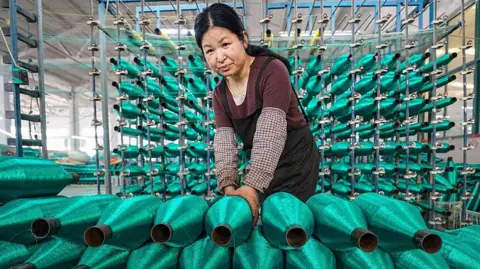
China's economy grew faster than expected in the first three months of the year, with a reported increase of 5% in gross domestic product (GDP) compared to the same period last year. This figure surpassed the economists' projections of 4.8%, even amid the challenges posed by the ongoing US-Israel war with Iran, which began on February 28 and has severely disrupted global energy supplies, particularly affecting Asian countries. This release marks the first official GDP figures since Beijing had adjusted its annual growth target to a range of 4.5%-5%, the lowest since 1991. The growth is a rebound from a weaker 4.5% expansion in the previous quarter, primarily driven by manufacturing, although the economy continues to struggle with declining property investment. Exports, particularly in cars, were noted as a key driver of this performance, with analysts like Kyle Chan from the Brookings Institution highlighting their significance. However, there are expectations that the upcoming quarter may show a decline as the effects of the Iran conflict become more pronounced, impacting trade. China's current economic plans, outlined in March's Five-Year Plan, include heavy investments in innovation and technology, with the Communist Party aiming to address various issues such as weak consumption and a demographic decline. Additionally, the country faces external pressures from trade tensions, including ongoing US tariffs, which may influence its economic recovery strategies. Recent monthly data also reflects a slowdown in export growth and a surge in imports, further complicating the economic landscape as global tensions persist.