In brief
Jamaican and Antiguan hot‑sauce producers are grappling with a shortage of Scotch bonnet peppers, the backbone of Caribbean flavour. Hurricanes Beryl and Melissa, disease and pest attacks have hit crops hard, forcing companies like Walkerswood and Gray's Pepper to cut orders, hold larger inventories and seek hybrid varieties. While aid from the Jamaican government and research into resilient strains offer hope, the rising cost of the pepper will feel across kitchens from New York to London.
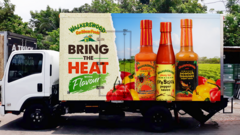
The unmistakable heat of a Caribbean dish is instantly recognisable by a splash of hot sauce, an exile of peppered flavour that sits at the heart of everything from rice and peas to curry and stew. Yet behind the glossy labels and freezer‑packed jars, a crisis is bubbling. The crucial ingredient—Scotch bonnet pepper—is becoming harder to source.The University of the West Indies reports that extreme weather, viral disease and pest attacks are eroding yields. The pepper’s very nature makes it prone to heavy rains and fungal infection, while flagship brands are feeling the hit. “We were hugely limited, and we had to cancel orders,” says Sean Garbutt, a senior producer at Walkerswood, one of Jamaica’s most-watched hot‑sauce makers.Jamaica’s flag‑bearing pepper plant was hit by Hurricane Melissa last year, after a prior blow from Beryl, and the impact rippled through the market. Over the last two years, Scotch bonnet prices have surged 40–50 %. In the aftermath of Melissa, the pepper cost jumped a full 10‑fold. Walkerswood has survived by shipping more than 95 % of its output overseas – two‑thirds to the United States – but the supply chain is still fraught.Key brands describe the situation. Gray’s Pepper, founded over five decades ago, says the plant’s ‘high heat tolerance’ is central to its identity. Its founder, Drew Gray, notes that “our yellow peppers are special.” When storms took the yield, Gray’s inventory of about six months’ worth of peppers helped the company keep exporting, even as cash flow suffered.Other Caribbean producers are coping in their own ways. Homebrew Hot Sauce in Antigua is forced to drop or defer orders; some of their already‑low inventory was used to survive Melissa. Novella Payne of Granma Aki mixes in locally grown Moruga scorpion peppers, which bring a different flavour profile and lower cost. Both speakers in the field urge producers to maintain large stockpiles—“going into Beryl we had around six months of inventory”—and to keep a close eye on the weather.The Jamaican government is stepping in. The Rural Agricultural Development Authority supplied Scotch bonnet seed to 650 growers; genetics research is underway to create a resilient yellow variety. Walkerswood, in partnership with the government, is also funding such work.The result is a tangled web of supply‑chain intensity and calculated risk. Hot‑sauce producers must balance price, quality and the cultural‑taste of the Caribbean. With smoke‑filled kitchens stretching from New York’s supermarket aisles to Australia’s Super‑markets, the scarcity of the Scotch bonnet pepper will be felt worldwide, even as local producers strive to keep the flavour alive.