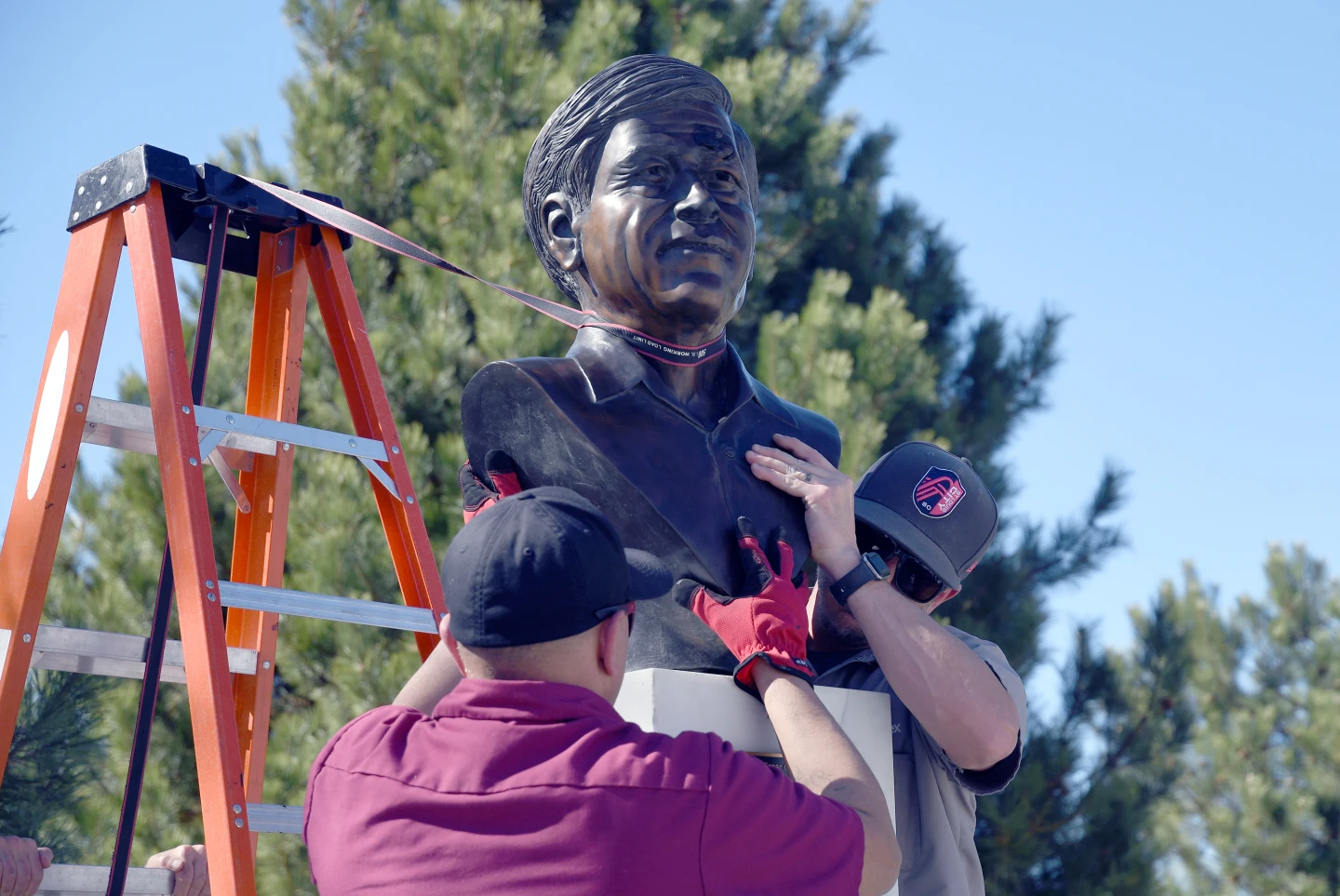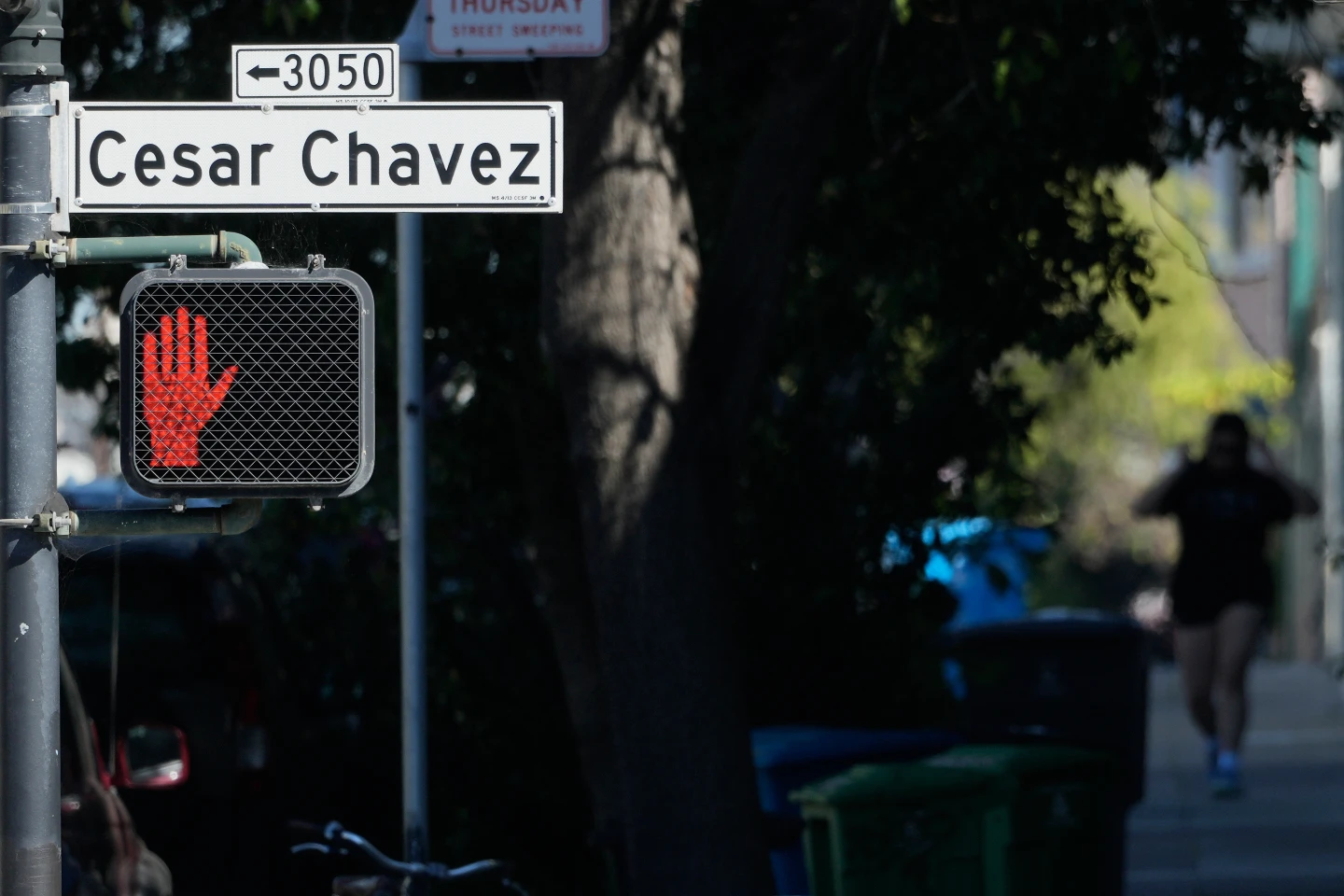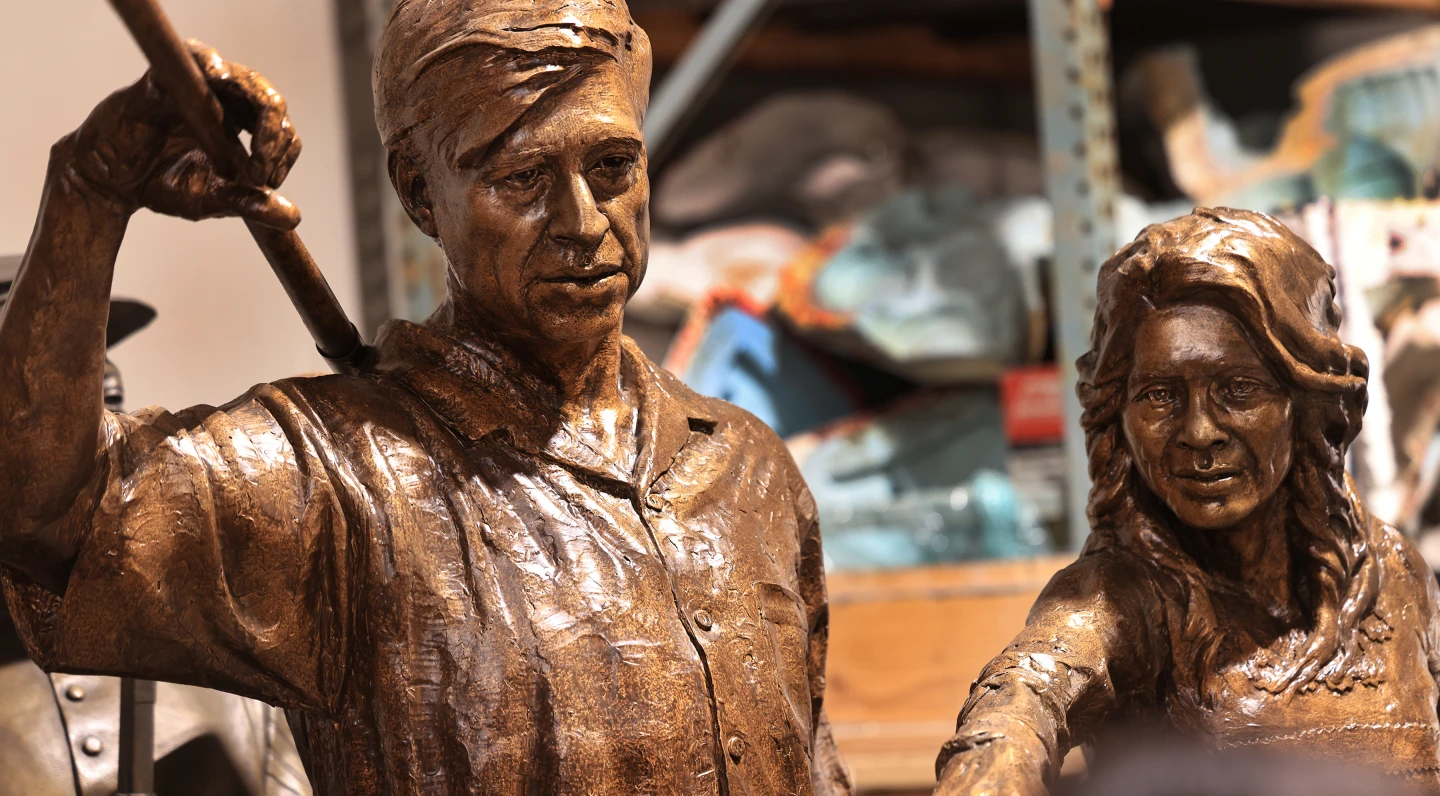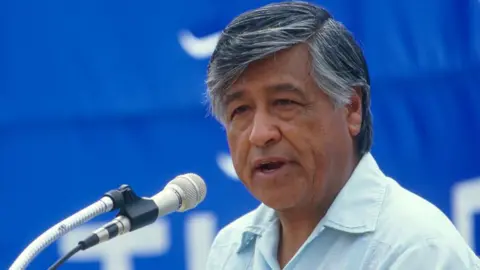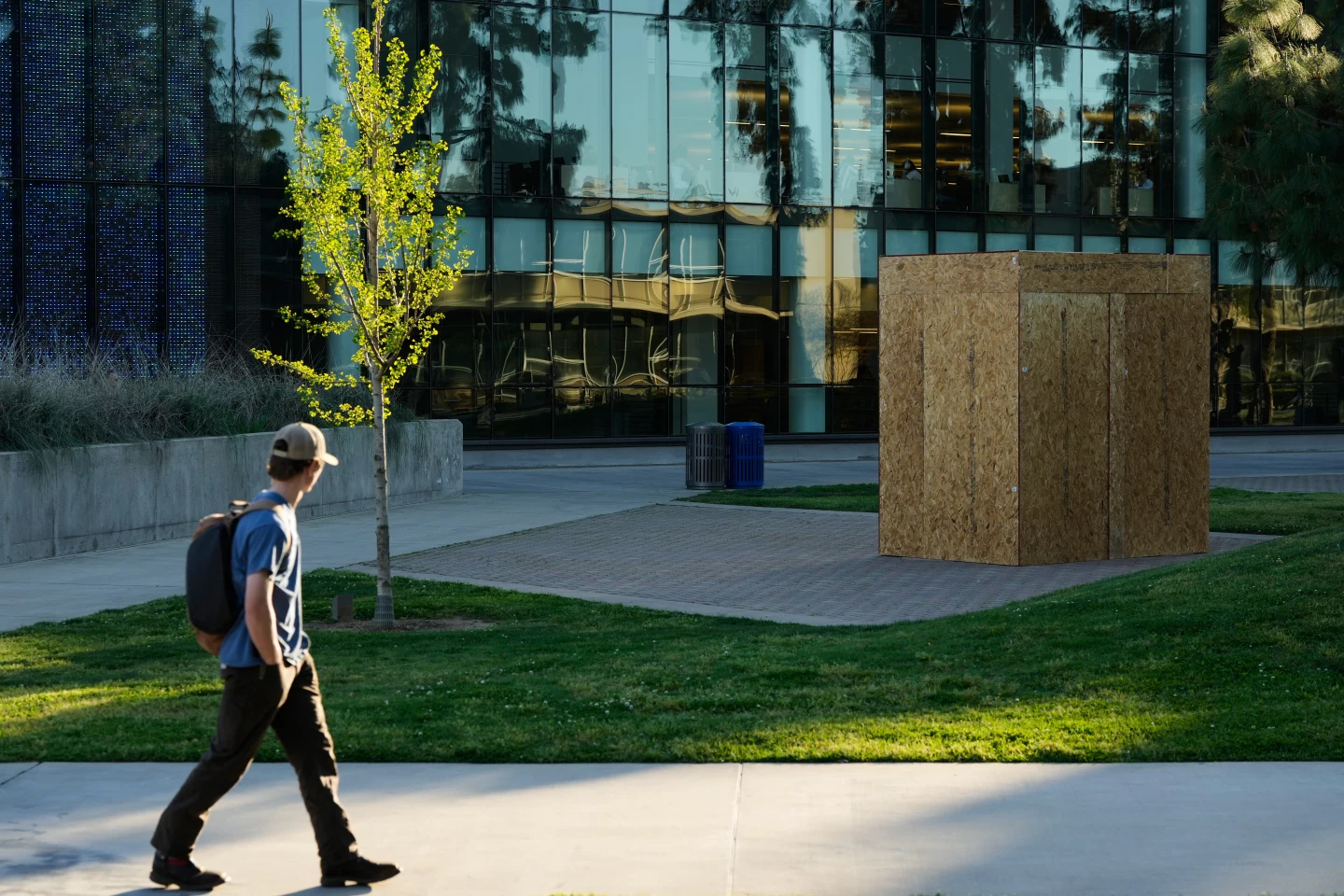
In response to shocking allegations of sexual abuse against César Chávez, prominent labor leader and civil rights icon, officials at California State University, Fresno have taken urgent measures to cover his statue and plan its removal. The claims, which detail instances of abuse involving girls and women, have cast a shadow over Chávez’s legacy, leading to widespread calls for reassessment of the many monuments and places named in his honor across the United States.
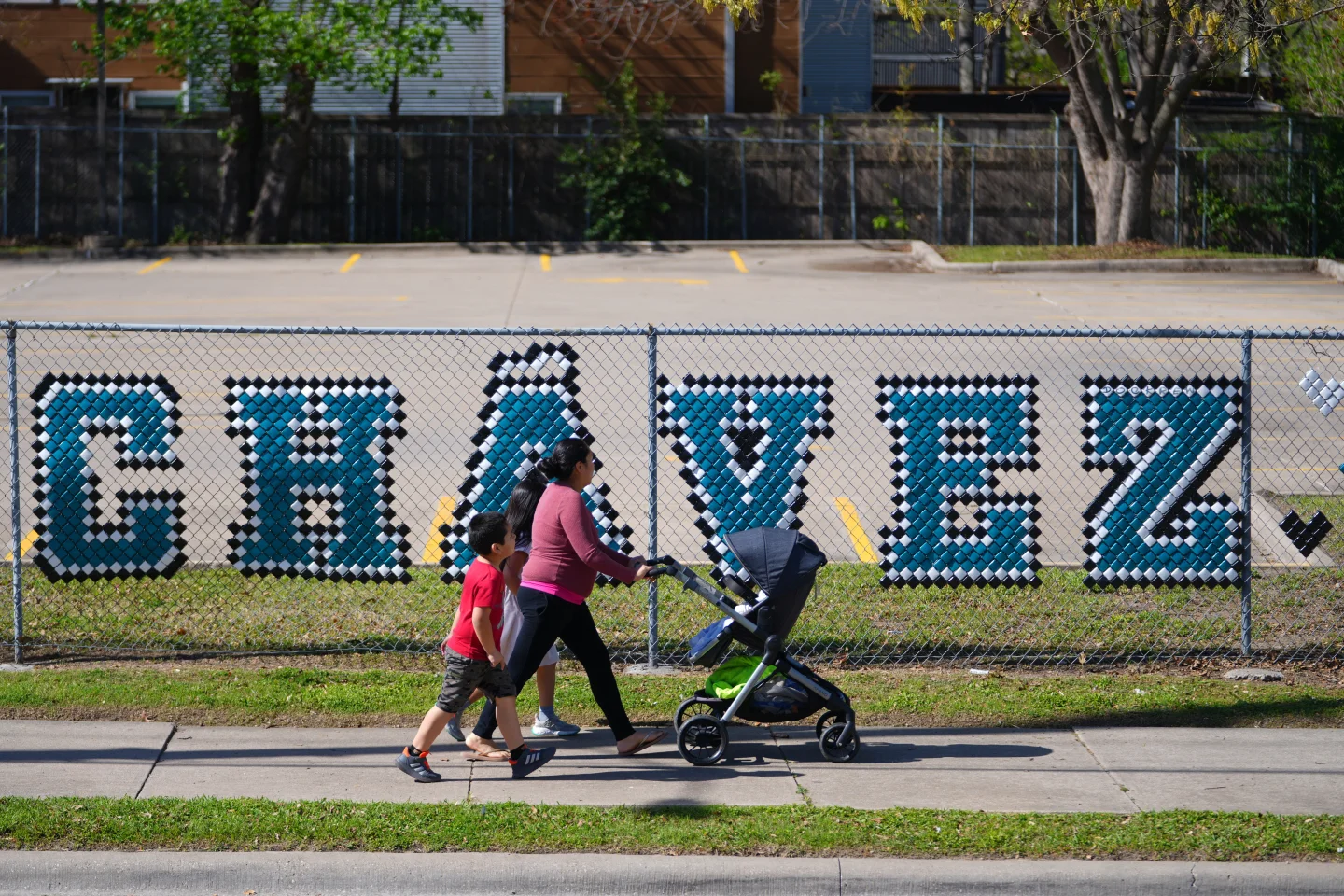
The university's president, Saúl Jiménez-Sandoval, emphasized that the allegations must be met with immediate action, stating, The situation calls for our full attention and moral reckoning by removing his statue from our campus. These sentiments are echoed by others in institutions across the nation, where more than 130 sites named after Chávez, including schools, parks, and county celebrations, are now under scrutiny.
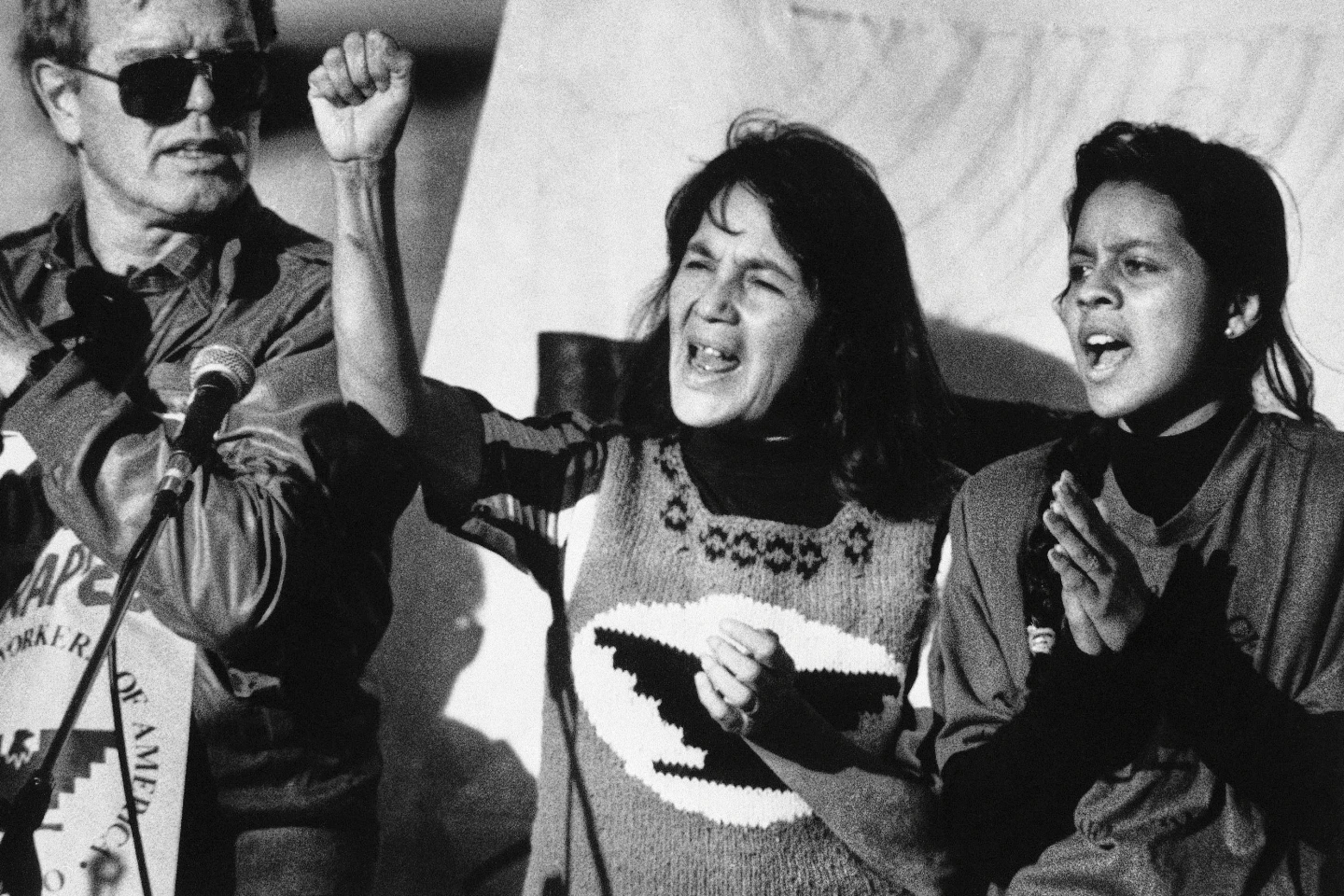
In light of the seriousness of the allegations, many communities are considering renaming policies, including adjustments to César Chávez Day, which is federally recognized on his birthday, March 31. Activists, students, and local leaders are advocating for a possible transformation of Chávez’s legacy, proposing that places bearing his name be renamed in honor of Dolores Huerta, another influential figure in labor rights.
Actions have already commenced in various cities: Phoenix’s city council is set to vote on the renaming of Chávez Day to Farmworkers Day, and Denver has announced a temporary renaming of the holiday to Sí, Se Puede Day, a phrase synonymous with the farmworker movement. Mayor Mike Johnston stated, We will not let the sins of one man set back the commitment of a community that has fought for decades for justice. Meanwhile, institutions in several states are re-evaluating their commemorations of Chávez amidst ongoing discussions about how to address figures associated with misdeeds.
Notably, the Chávez case reverberates in a larger context where communities are reassessing how to address and remedy historical celebrations that may glorify individuals who have committed offenses against vulnerable populations. The historical significance of labor rights, alongside the dignity of those who endured abuse, lies at the heart of this complex dilemma.
As investigations proceed and more stories emerge, the fading sheen of Chávez’s celebrated legacy illuminates a critical challenge faced by labor movements and institutions in the process of reconciliation and progress.