In brief
This week, the UN General Assembly overwhelmingly approved a resolution classifying the transatlantic slave trade as 'the gravest crime against humanity'. UN Secretary-General Antonio Guterres emphasized that Western nations' wealth is built on the exploitation of enslaved lives and labor. Analysts view this resolution as a crucial step in acknowledging historical injustices and potentially paving the way for reparations discussions.
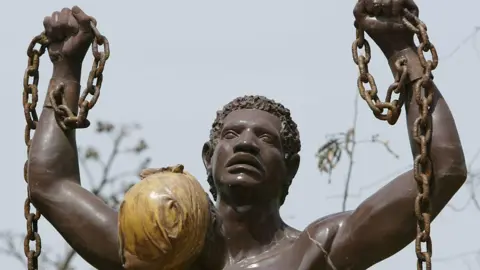
The United Nations General Assembly this week overwhelmingly backed a resolution declaring the transatlantic slave trade 'the gravest crime against humanity'.
Welcoming the vote, UN Secretary-General Antonio Guterres said that the wealth of many Western nations was 'built on stolen lives and stolen labour'.
He emphasized that the historical practice involved 'barbaric punishments' that were part of a machinery of mass exploitation and deliberate dehumanisation of individuals. The resolution, driven by support from African and Caribbean nations, is not legally binding but is seen as sending a powerful symbolic message
Dr Erieka Bennett, who leads the Ghana-based Diaspora African Forum, expressed that the resolution brought personal significance to descendants of enslaved individuals. 'It means that I'm acknowledged, it means that my ancestor finally rests,' she said.
The debate over reparations, which has gained momentum as more nations recognize their historical roles in slavery, continues to divide governments. While some countries have issued apologies and acknowledged the need for reparations, many refuse to provide monetary compensation.
The UN resolution could act as a catalyst for enhanced discussions on reparations, urging countries that benefitted from slavery to consider contributing to reparative justice measures, including education and socio-economic support for the affected communities.
Countries around the world will watch closely as discussions unfold regarding the implications of this landmark resolution and potential reparations initiatives.