Farm work is personal for many people in the state of California, where nearly three-quarters of America's fruits and nuts are grown.
That's why, when sexual abuse allegations against famed farmworker union activist Cesar Chavez came to light in March, it sent shockwaves throughout the state.
As the daughter and granddaughter of farmworkers, this is deeply personal, state senator Suzette Martinez Valladares said during a meeting to discuss removing Chavez's name from streets, parks and schools - as well as renaming Cesar Chavez Day to Farmworkers Day.
The legacy of farmworkers belongs to families like mine across California - not to any one individual, Valladares said, while she and other lawmakers shared stories of how their families worked in the fields picking crops under the hot sun.
As a prominent labor organizer, Chavez helped lead a major strike against Delano grape growers in the 1960s, which sparked boycotts across the country, in order to gain better wages and conditions for workers. His mantra, si, se puede - which means yes, we can in Spanish - has been adopted by activists and politicians who came after him, and was even used by Barack Obama's presidential campaign during his first run for office.
But his legacy today has taken a sharp turn, after civil rights leader Dolores Huerta - who helped Chavez co-found the National Farm Workers Association - went public in the New York Times alleging he raped her decades ago.
The newspaper's investigation also included testimony from two other women, who were the daughters of farmworkers, who said he molested them when they were underage in the 1970s.
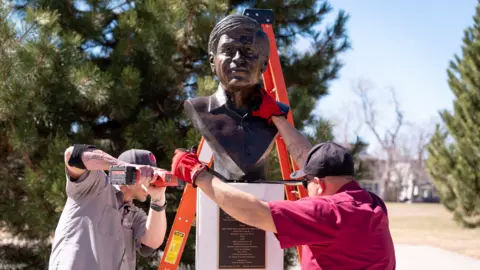
In a sign of how deep the wounds are after these claims came to light, California lawmakers barely uttered his name when they voted unanimously last week to rename the state holiday Farmworkers Day. Similar votes are happening across the United States, where Chavez's name is emblazoned on dozens of schools, streets and other public buildings nationwide.
Los Angeles Mayor Karen Bass said she was devastated by the allegations against Chavez and her memory of him was now painful. However, she recognised his importance as a figure in the movement.
Many activists express a desire to celebrate the contributions of farmworkers while grappling with Chavez's controversial past. In response to the outcry, artists and community members are transforming or removing murals previously dedicated to Chavez. Some believe that a nuanced approach is necessary to preserve the achievements of the broader labor movement without glorifying individuals who have been accused of serious misconduct.
}