In brief
Public health officials have reported a dramatic decline in measles vaccination rates among the Somali community in Minneapolis, dropping from 92% in 2006 to around 24% today. This crisis has been compounded by fears surrounding immigration enforcement and the spread of misinformation linking vaccines to autism. Community leaders express that amidst these challenges, many residents prioritize survival over healthcare, further jeopardizing public health.
MINNEAPOLIS (AP) — Public health officials and community leaders say that even before federal immigration authorities launched a crackdown in Minneapolis, a crisis was brewing.
Vaccination rates against measles among the state’s large Somali community had plummeted. The myth that the vaccine causes autism has spread despite the reality of four measles outbreaks since 2011. Fortunately, immunization advocates have made small strides recently, with mobile clinics and a vaccine confidence task force being instituted.
However, with the U.S. on the verge of losing its measles elimination status, those fighting against vaccine misinformation express that substantial progress is being lost. Many residents have expressed fears about seeking medical advice or even leaving home.
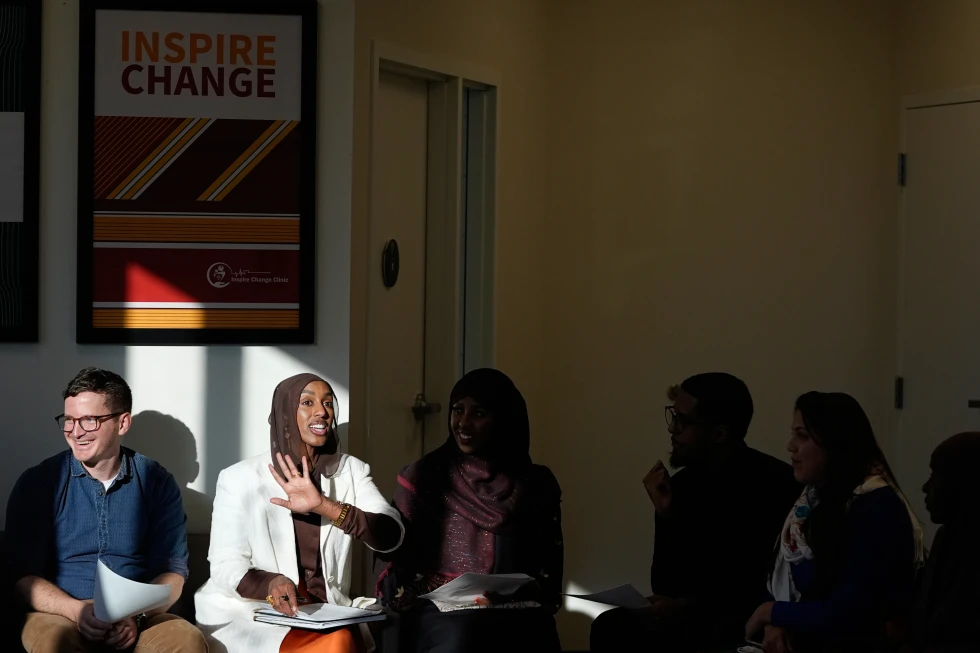
“People are worried about survival,” said Munira Maalimisaq, a nurse practitioner and CEO of the Inspire Change Clinic, located in a Minneapolis neighborhood prominently populated by Somalis. “Vaccines are the last thing on people’s minds. But it is a big issue.”
As fears from immigration enforcement spiral, a discussion group for Somali mothers at Inspire Change has transitioned online. Community members are preoccupied with immediate needs: whom to trust for childcare, and how to secure groceries and medications.
In 2006, 92% of Somali toddlers in Minnesota were vaccinated against measles. Today, that rate has plummeted to about 24%. Experts agree that a 95% vaccination rate is essential to prevent outbreaks of the highly contagious disease.
Community vaccination initiatives tend to cycle, with programs often starting and stopping. Imam Yusuf Abdulle emphasized that immigration enforcement has captioned everything, leading individuals to fear community engagement. “It’s pure madness,” he said. “The last thing to think about is vaccination when adults can’t even leave their houses.”
The Somali community, the largest in the U.S. with approximately 84,000 residents living in the Twin Cities, now faces the dual challenge of overcoming vaccine misinformation spread over years and navigating a fraught immigration landscape. Without consistent outreach and accessible health services, the bridge of trust with healthcare providers continues to erode.
Maalimisaq reflected on a successful program where 83% of Somali mothers vaccinated their children within 12 months. Currently, the community stands in limbo. Parents are caught in the cycle of misinformation surrounding vaccines and growing enforcement anxiety, ultimately risking the health of their children.
Doctors and community health educators, like Fatuma Sharif-Mohamed, stress the importance of listening to parents rather than debating them. Changing minds takes time, and new strategies are being developed to foster connection and build vaccine confidence in the community.
As Minnesota grapples with rising measles cases—26 reported in a year—the urgency for intervention is palpable. Each outbreak further emphasizes the necessity for trust and communication between the community and health officials.
“Our community is suffering,” Abdulle notes. “Our kids are getting sick.”