In brief
Nearly 20 years after Dolores Huerta helped launch the Bandana Project, she opens up about her own experiences of abuse by César Chavez, co-founder of the United Farm Workers. Despite the fallout from these revelations, advocates like Mónica Ramírez emphasize the growth of grassroots movements focused on fighting sexual abuse within the agricultural industry, showing the resilience and strength of women farmworkers. Many continue to demand systemic change, highlighting the importance of education, organization, and a unified voice against exploitation.
NEW YORK (AP) — Nearly two decades ago, legendary labor rights activist Dolores Huerta joined Mónica Ramírez at a Chicago event promoting the Bandana Project, a campaign to raise awareness about sexual violence against women farmworkers.
Huerta highlighted the necessity of educating women farmworkers on their rights and empowering them to speak out against the pervasive and underreported sexual exploitation in agriculture. Little did anyone know at the time that Huerta had herself faced sexual abuse at the hands of César Chavez, the prominent labor leader and co-founder of the United Farm Workers (UFW).
The allegations from Huerta and other survivors indicate a culture of fear and intimidation that not only existed in the fields but also permeated the upper echelons of the male-dominated labor movement advocating for farmworker rights.
Despite this, advocates like Ramírez believe that Huerta's bravery in speaking out now serves as a beacon of change. Since Chávez's death in 1993, a network of women-led grassroots organizations has emerged, pushing for investigations into sexual violence on farms and advocating for laws requiring sexual harassment training. Commitments from growers and buyers to adopt supportive policies have also been secured as a result of these efforts.
Reflecting on you growing advocacy efforts, Ramírez expressed feelings of betrayal regarding Chávez, acknowledging how his legacy can overshadow the collective achievements of farmworker advocates. She emphasizes that the movement comprises many diverse leaders, including women who have played crucial roles in its development.
Increased Awareness and Protection
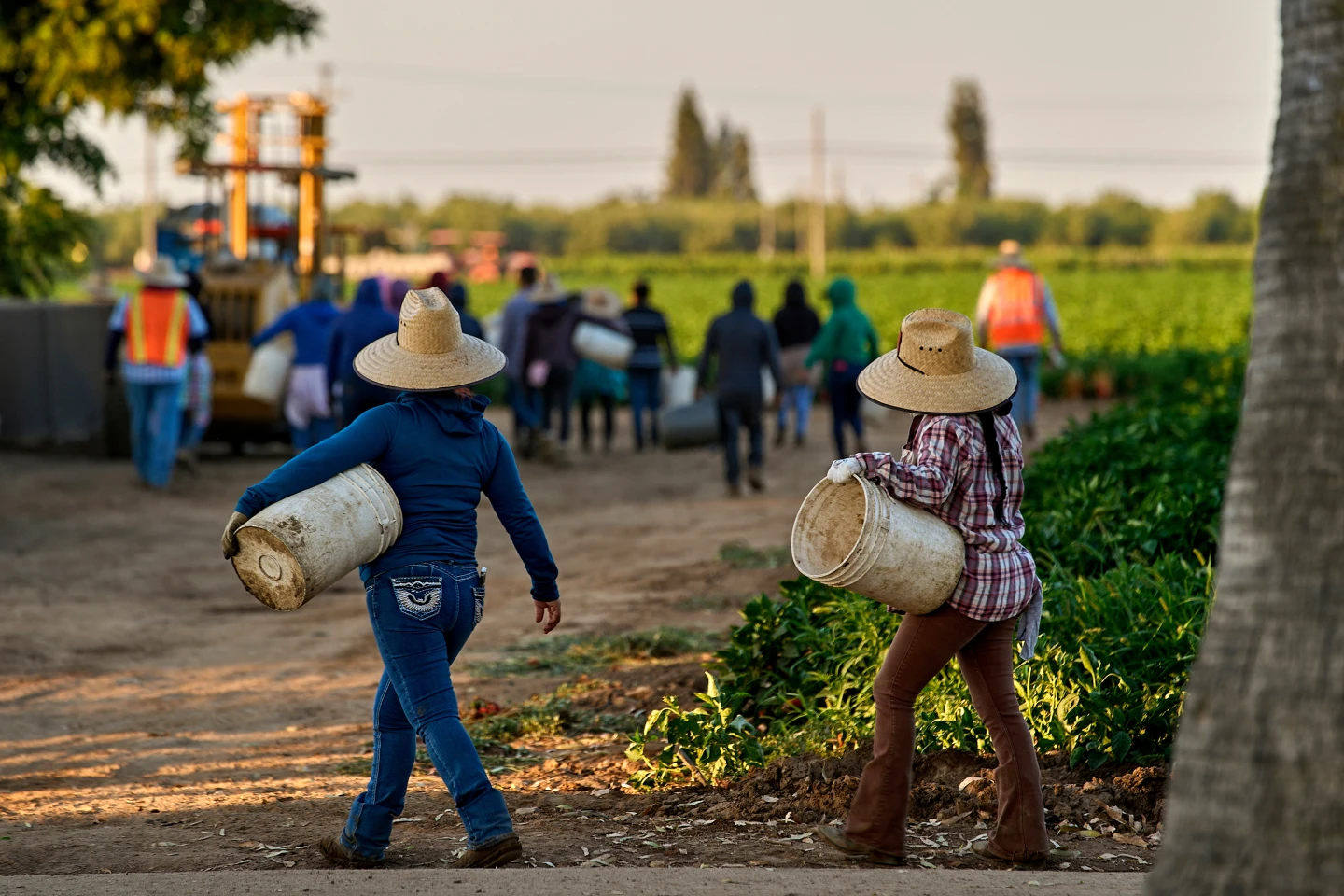
Currently, women constitute about 25% of the U.S. agricultural workforce, yet most reports indicate that around 80% face some form of sexual harassment. A pivotal moment for awareness occurred in 1999 when the U.S. Equal Employment Opportunity Commission (EEOC) secured a $1.85 million settlement for a female farmworker subjected to sexual advances.
This settlement arose from a long-standing effort by the EEOC to collaborate with labor groups like Líderes Campesinas, emphasizing the need for increased awareness and advocacy regarding workers’ rights. Since then, millions have been recovered for farmworkers reporting sexual abuse.
While the actual prevalence of sexual violence remains challenging to measure, many women, including former farmworker advocates like Nely Rodriguez, assert that improvements in protective legislation in some areas have made a difference, though challenges persist.
Many women leaders assert that breaking the silence around sexual abuse has been one of the movement's considerable victories. As Huerta herself explains, she previously feared that revealing these truths might harm the labor movement, but now recognizes her survival story is part of a more extensive fight against abuse.
Movement Momentum
The #MeToo movement has further propelled this dialogue, highlighting voices of survivors, including those of women farmworkers. Advocates like Ramírez indicate that the momentum created by this global movement has strengthened the farming community's resolve to confront longstanding issues of sexual violence.
Despite the setbacks and challenges faced, farmworker women and their activists continue to show resilience and commitment to invoking lasting change and garnering organizational strength. Their stories and struggles not only reshape the legacy of historical figures but also inspire a new generation ready to challenge the status quo.