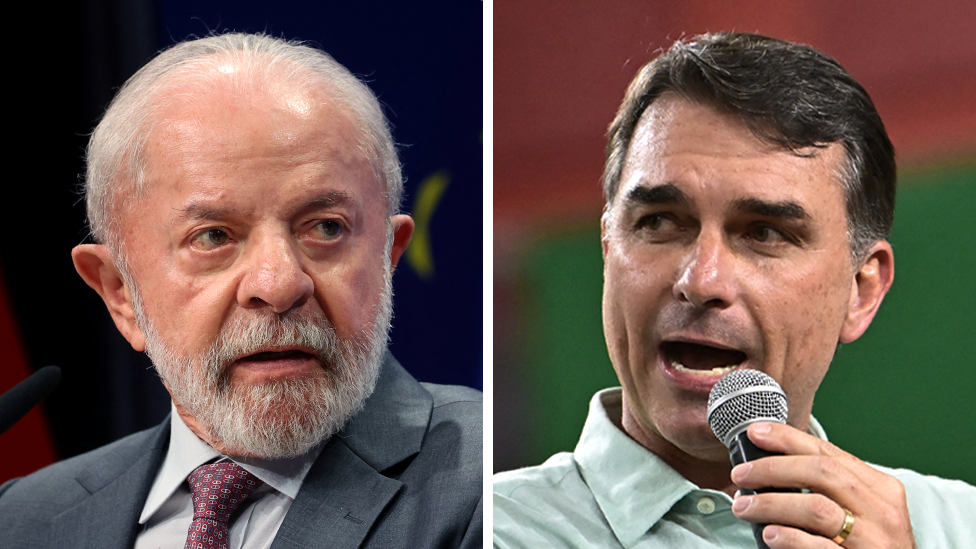
In Brazil’s 2026 presidential race, former President Luiz Inácio Lula da Silva faces Flavio Bolsonaro, son of ex‑President Jair Bolsonaro. The campaign has become a battleground for questions about foreign influence and democratic sovereignty.
Lula has publicly accused Washington of encouraging the right‑wing contender, arguing that U.S. policy shifts are designed to steer the election toward Bolsonaro’s camp. He points to increased diplomatic engagement and trade incentives as evidence of covert support.
Beyond electoral politics, the dispute touches on Brazil’s relationships with organized crime groups, trade tariffs imposed in the last administration, and the limits of national sovereignty in a globalised world. Analysts warn that external meddling could exacerbate social tensions and erode public trust in institutions.
The U.S. has denied any active intervention, stressing its commitment to the democratic process. Still, the finger‑pointing underscores how fragile elections can become when international actors become embroiled, raising a cautionary tale for democracies worldwide.